Woodsia, Genus, spp., Multiple species,
- Genus
- Multiple species
cliff fern
Temperate and arctic regions of the Northern Hemisphere
Overview
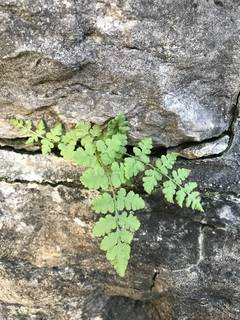
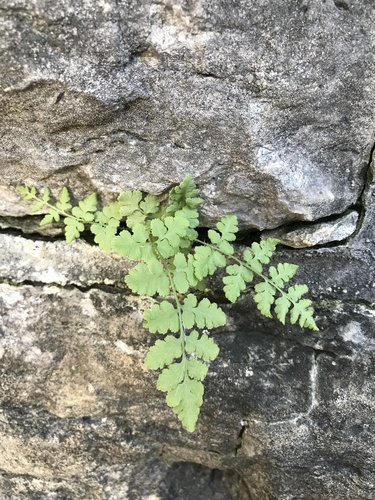
Woodsia is a genus of about 40 small ferns, the cliff ferns, found mainly on rocks and in crevices across temperate and arctic parts of the Northern Hemisphere, with a few species reaching southern continents. Plants form compact tufts 10-30 cm (4-12 in) high of short-stalked, once- or twice-divided fronds arising from a knotted, scaly rhizome. The fronds are usually green and somewhat hairy or scaly, narrow, and tapering, and in most temperate species they die back in autumn and resprout in spring. A cup-shaped indusium that splits into hair-like or lobed segments around each spore cluster identifies the genus under a hand lens. Cliff ferns grow in the cracks of cliffs, boulders, walls, and scree, in sharply drained, often rocky soils, and many tolerate considerable drying between rains. They favour cool conditions and partial to full shade, and most are very cold-hardy, some growing into the Arctic and high mountains. Heat, humidity, and wet, stagnant soils are poorly tolerated. Across the genus, frond size and cutting vary, and species can be hard to separate without close study of the indusium and frond scales.
Native Range
The genus is distributed across temperate and arctic regions of the Northern Hemisphere, including North America, Europe, and Asia, with outlying species in Africa and South America. Species grow on cliffs, rock outcrops, scree, and old walls, often on limestone or other base-rich rock. Several North American species, such as W. obtusa and W. ilvensis, are widespread on shaded rocks.Suggested Uses
Used in rock gardens, crevice gardens, dry stone walls, troughs, and shaded alpine plantings. The small tufts suit containers and sites with sharp drainage and cool shade. Also grown by fern collectors and in naturalistic rocky plantings.How to Identify
Appearance
Size & Dimensions
Height4" - 1'
Width/Spread6" - 1'
Bloom Information
Ferns do not flower. Reproduction is by spores produced in small clusters on the underside of the fronds, ripening through summer and released as the fronds dry. New fronds unfurl from the crown in spring.
Detailed Descriptions
Foliage Description
greenGrowing Conditions
Sun Requirements
Requires 2-5 hours of direct sunlight daily
• Full Sun: 6+ hours of direct sunlight
• Partial Shade: 3-6 hours of direct sunlight
• Full Shade: Less than 3 hours of direct sunlight
Care & Maintenance
Care Guide
Plants grow in partial to full shade in gritty, sharply drained soil, set into a rock crevice, wall, raised bed, or trough that mimics their natural footing. Cool roots and steady but not stagnant moisture suit them, and most are intolerant of heat, humidity, and heavy wet soils. The temperate and arctic species are very cold-hardy and need no winter protection in their range. Many tolerate periods of drying once established, reviving when moisture returns. A topdressing of grit keeps the crown dry and reduces rot. Few pests trouble them, though crown and root rot follow poor drainage.Pruning
Pruning amounts to removing old, withered fronds. Deciduous species are cut back to the crown in late winter before new fronds unfurl. On any persistent fronds, only damaged or browned material is removed.Container Growing
Suitable for container growing
Minimum container size: 1 gallons