Image 1 of 10
1 / 10
Plant Reference
Wollemia, Genus, nobilis, Species,
- Genus & species
Wollemi pine
Single canyon in Wollemi National Park, Blue Mountains, New South Wales, Australia; approximately 2,000 feet (600 m) elevation in a narrow temperate rainforest gorge with sandstone walls
Overview
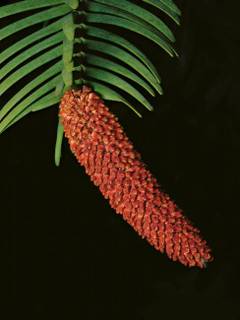
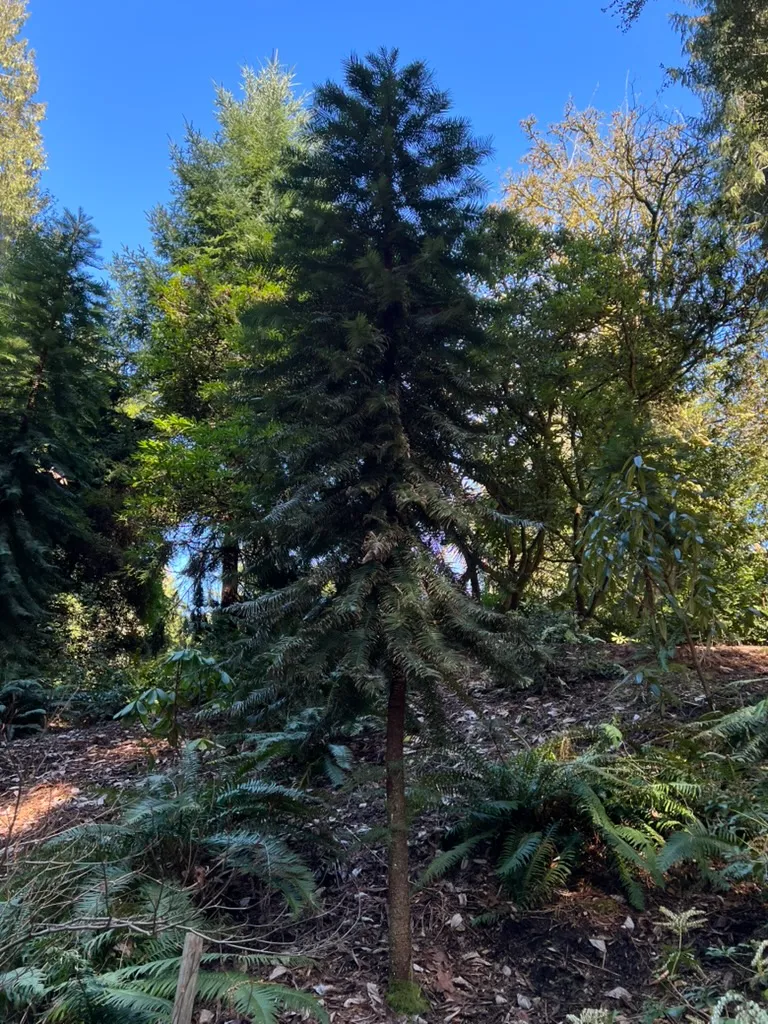
Wollemia nobilis is an upright multi-stemmed evergreen coniferous tree in the family Araucariaceae growing 20–40 feet (6–12 m) tall and 10–15 feet (3–4.6 m) wide in cultivation, with a narrow columnar to pyramidal habit that broadens gradually over decades. The species is not a true pine despite the common name Wollemi pine — it belongs to the monkey puzzle family Araucariaceae alongside Araucaria (monkey puzzle tree, Norfolk Island pine) and Agathis (kauri), and the common name pine is a holdover from the initial popular reporting of the discovery. The species was discovered in September 1994 by David Noble, a field officer with the New South Wales National Parks and Wildlife Service, in a single narrow sandstone gorge in Wollemi National Park in the Blue Mountains approximately 95 miles (150 km) northwest of Sydney. Fewer than 100 mature trees survive in the wild across a handful of closely spaced populations in the original gorge and one or two adjacent gorges, and the exact location is kept confidential by the Australian government to prevent poaching and disease introduction. The genus Wollemia dates to the Cretaceous period approximately 90 million years ago based on fossil pollen records from Australia, New Zealand, and Antarctica, and the living species was unknown to science until David Noble's 1994 discovery because no living population had been found before that date despite the widespread Cretaceous and Tertiary fossil record. Leaves are bright green above with paler undersides carrying visible stomatal bands, flat, 1.5–3 inches (4–7 cm) long, and arranged in 2 ranks (4 rows) along lateral branches. New growth flushes emerge cream to pale lime-green and are the most conspicuous seasonal foliage feature, contrasting against the dark green mature foliage during the spring flush period. The bark is dark brown with a bubbly or knobbly texture that is not matched by any other cultivated conifer — the bark surface carries irregular rounded knobs separated by shallow fissures that give the trunk and main branches a bubbly appearance. The species is monoecious (male and female cones on the same tree): pendulous yellow-green male cones 2–4 inches (5–10 cm) long release wind-borne pollen in late spring, and globular green female cones 3–5 inches (7–13 cm) in diameter develop at branch tips. The tree is naturally multi-stemmed and coppices from the base, producing several main trunks from a single root system. Limitation: the species is hardy to approximately 14 °F (−10 °C) and the limited cold hardiness restricts permanent outdoor cultivation to USDA zones 8 through 10 — in colder zones the species is grown as a container specimen in a large pot (at least 15 gallons / 57 L) and moved under cover for winter protection. The species is not drought-tolerant and calls for consistent moisture through the growing season. Non-toxic and deer-resistant.
Native Range
Native to a single narrow sandstone gorge in Wollemi National Park in the Blue Mountains of New South Wales, Australia, at approximately 2,000 feet (600 m) elevation in a temperate rainforest gorge with sandstone walls, high humidity, and filtered light. The wild population is critically small (fewer than 100 mature trees) and the exact location is kept confidential by the Australian government. Conservation propagation programs run by the Royal Botanic Gardens Sydney and commercial nursery partners have produced thousands of cultivated specimens for worldwide distribution, and the sale of cultivated trees funds the conservation program for the wild population.Suggested Uses
Used as a specimen tree in mild-climate gardens and in large containers of at least 15 gallons (57 L) in colder zones, at 10–15 foot (3–4.6 m) spacing between trees. The species carries strong conservation significance as a critically endangered wild species with fewer than 100 mature trees surviving in a single gorge in the Blue Mountains of Australia, and the sale of cultivated specimens funds the ongoing conservation program for the wild population — gardeners who grow a Wollemi pine are participating in the ex situ conservation of the species. The cream to pale lime-green spring growth flushes, the bubbly bark texture, and the multi-stemmed coppicing habit combine to supply year-round ornamental interest for collectors of rare conifers and conservation-focused gardeners. Sustained temperatures below 14 °F (−10 °C) without container protection, wet poorly drained positions, and dry summer positions without supplemental irrigation are unsuitable because of the cold hardiness limit, the drainage requirement, and the moisture requirement of the species.How to Identify
Appearance
Size & Dimensions
Height20' - 40'
Width/Spread10' - 15'
Colors
Bloom Information
The species is a wind-pollinated conifer with separate male and female cones on the same tree (monoecious). Pendulous yellow-green male cones 2–4 inches (5–10 cm) long release pollen in late spring (May and June), and globular green female cones 3–5 inches (7–13 cm) in diameter develop at branch tips through summer and fall and mature over 18–20 months before releasing winged seeds. The cone production begins when the tree reaches reproductive maturity, typically 15–20 years from planting.
Detailed Descriptions
Foliage Description
bright green above with paler undersides carrying visible stomatal bands; flat leaves 1.5-3 inches (4-7 cm) long arranged in 2 ranks (4 rows) along lateral branches; new growth flushes emerge cream to pale lime-green and are the most conspicuous seasonal foliage featureGrowing Conditions
Sun Requirements
Requires 4-12 hours of direct sunlight daily
• Full Sun: 6+ hours of direct sunlight
• Partial Shade: 3-6 hours of direct sunlight
• Full Shade: Less than 3 hours of direct sunlight
Care & Maintenance
Care Guide
Site in full sun to partial shade with 4–12 hours of direct sun per day in well-drained loam or sandy soil with a pH of 5.5–7.0. The species is not drought-tolerant and calls for consistent moisture through the growing season, and supplemental irrigation during dry periods supports the foliage and the new growth flush. The species is hardy to approximately 14 °F (−10 °C) and is grown outdoors permanently in USDA zones 8 through 10, and in colder zones the tree is grown in a container of at least 15 gallons (57 L) and moved under cover for winter protection when temperatures drop below 20 °F (−7 °C). The multi-stemmed coppicing habit is natural and the tree is allowed to develop multiple trunks from the base without removing the secondary stems — the multi-stemmed form is the natural growth habit and the main structural ornamental character of the species. No pruning is needed because the tree self-prunes its lower lateral branches as it grows. Non-toxic and deer-resistant.Pruning
No pruning is needed because the species self-prunes its lower lateral branches as it grows and the natural narrow columnar to pyramidal habit develops without shaping cuts. The multi-stemmed coppicing habit is natural and the secondary stems from the base are left in place to develop the multi-trunked form that is the main structural ornamental character. Dead or storm-damaged branches can be removed at the branch collar at any time of year. Topping or heading cuts are not done because the species does not respond well to heading and the cut stems may not regenerate the terminal leader.Container Growing
Suitable for container growing
Minimum container size: 15 gallons