Wedelia, Genus, spp., Multiple species,
- Genus
- Multiple species
creeping oxeye
Tropical and subtropical Americas, Africa, and Asia
Overview
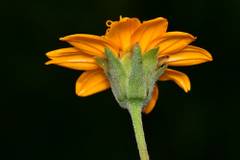
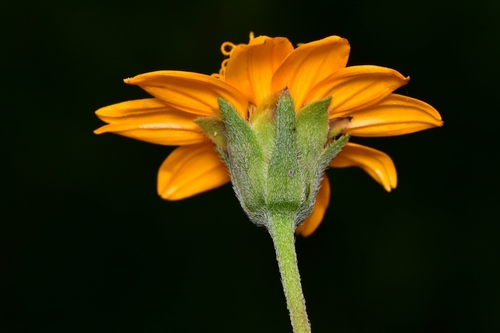
Wedelia is a genus of roughly 70 species of sprawling to mat-forming perennials and subshrubs in the daisy family, found through tropical and subtropical regions of the Americas, Africa, and Asia. Most form low, spreading carpets of trailing stems 15-60 cm (6-24 in) high that root at the nodes where they touch the ground, giving the plants a groundcovering habit that can extend 1-2 m (3-6.5 ft) wide. The leaves are opposite, green, and often toothed or three-lobed, and the stems carry solitary yellow to orange-yellow daisy heads 2-4 cm (0.8-1.6 in) across through much of the warm season. Flowering is near-continuous in frost-free climates and pauses only in cool or dry periods. Several species, along with the closely related and formerly included Sphagneticola trilobata, root and spread quickly and are listed as invasive on tropical islands and in wetlands. The genus tolerates heat, salt spray, and poor soils, which suits coastal and roadside conditions but also drives its weedy behaviour. Stems are killed by frost, limiting outdoor use to warm zones. Growth is rapid and dense once established, smothering low weeds but also crowding out small companions.
Native Range
Species are native across the warm Americas from Mexico and the Caribbean through Central and South America, with additional species in tropical Africa and Asia. They grow in open, often disturbed habitats including coastal sands, stream banks, and savanna. Several have naturalised far beyond their native range.Suggested Uses
Used as a fast groundcover, bank and slope cover, and spillover in containers and hanging baskets in warm climates. Tolerance of salt and poor soil suits coastal and roadside plantings. Because of its spread, it is kept clear of natural waterways and confined where it could escape.How to Identify
Appearance
Size & Dimensions
Height6" - 2'
Width/Spread3' - 6'6"
Bloom Information
In warm, frost-free climates flowering continues through much of the year, peaking in the warm, wet months. In cooler or seasonal areas flowers appear mainly from late spring into autumn. Individual heads last several days and are replaced steadily along the spreading stems.
Detailed Descriptions
Flower Description
yellow to orange-yellowFoliage Description
greenGrowing Conditions
Sun Requirements
Requires 6-10 hours of direct sunlight daily
• Full Sun: 6+ hours of direct sunlight
• Partial Shade: 3-6 hours of direct sunlight
• Full Shade: Less than 3 hours of direct sunlight
Care & Maintenance
Care Guide
Plants grow in full sun to light shade on most soils, from sand to clay, provided drainage is reasonable. Established plantings tolerate heat, drought, and coastal salt, though regular moisture keeps growth lush and flowering heavy. Stems root as they spread, so plants fill space quickly and can overrun beds without a barrier or regular trimming. Frost kills the top growth, and in marginal zones plants are grown as container or annual plantings. Feeding is seldom needed on average soils. Few serious pests occur, but leaf spot can appear in humid, crowded conditions.Pruning
Stems are sheared or mown back hard during the growing season to control spread and to refresh dense, flowering growth. Runners that root beyond the intended area are cut and pulled. Plants regrow readily from cut stems, so trimmings are removed rather than left on moist soil.Container Growing
Suitable for container growing
Minimum container size: 2 gallons