Vinealobryum, Genus, spp., Multiple species,
- Genus
- Multiple species
beard moss
Temperate and Mediterranean regions of the Northern Hemisphere
SunFull Sun – Part Shade
Overview
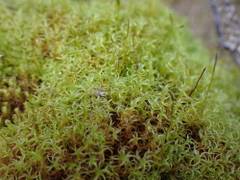
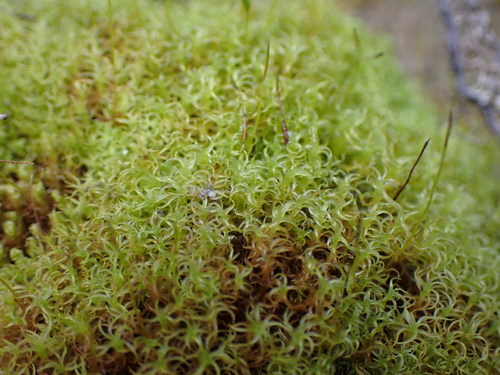
Vinealobryum is a genus of small acrocarpous mosses in the family Pottiaceae, segregated from Didymodon on the basis of leaf and costa structure. Plants are tiny, forming low green to yellow-green turfs or loose cushions usually 2-15 mm (0.1-0.6 in) tall on soil, rock, walls, and mortar. The stems are erect and sparingly branched, clothed in narrow lance-shaped leaves that curl and twist inward when dry and spread when moistened. Like other mosses, the genus has no true roots, flowers, or vascular tissue; water and minerals are absorbed directly across the leaf surface, and anchorage comes from thread-like rhizoids. Reproduction is by spores released from a small capsule raised on a short stalk, though many populations spread mainly by fragmentation. Species occur most often on dry, lime-rich substrates in open, sunny situations, and they survive drying out by suspending growth and reviving when rewetted. The genus is distributed across temperate and Mediterranean parts of the Northern Hemisphere. Individual species are hard to separate without microscopic examination of the leaf cells and costa.
Native Range
The genus is distributed across temperate and Mediterranean regions of the Northern Hemisphere, including Europe, North Africa, western and central Asia, and North America. Species typically colonise dry, calcareous soils, limestone, walls, and other lime-rich surfaces. Several have spread with human disturbance onto mortar, paving, and quarried stone.Suggested Uses
Has no ornamental garden use and is generally an incidental colonist of walls, rock, and bare ground. It contributes to early soil stabilisation on disturbed lime-rich sites. Mosses of this type are of interest mainly to bryologists and in studies of stone and mortar weathering.How to Identify
Appearance
Bloom Information
Mosses do not flower. Spore capsules, where produced, mature mainly in spring on a short stalk and release spores as they dry. Many colonies persist for years without forming capsules, spreading instead by detached shoot fragments.
Detailed Descriptions
Foliage Description
green to yellow-greenGrowing Conditions
Sun Requirements
Requires 3-8 hours of direct sunlight daily
• Full Sun: 6+ hours of direct sunlight
• Partial Shade: 3-6 hours of direct sunlight
• Full Shade: Less than 3 hours of direct sunlight
Water & Climate
Water Needs
Drought Tolerance
Drought tolerant when established