Image 1 of 16
1 / 16
Plant Reference
Vancouveria, Genus, hexandra, Species,
- Genus & species
inside-out flower
Pacific Northwest of North America — Washington south through Oregon to northern California; moist to dry coniferous and mixed forests at low to middle elevations
Overview
Vancouveria hexandra is a low spreading deciduous perennial ground cover in the family Berberidaceae growing 8–16 inches (20–40 cm) tall and spreading 18–36 inches (45–90 cm) wide per plant from a network of slender creeping rhizomes that produce new clumps at the margins over several years. The genus name Vancouveria honors Captain George Vancouver (1757–1798), the British Royal Navy officer who led the 1791–1795 expedition that mapped the Pacific Northwest coast of North America, and the specific epithet hexandra is Greek for six stamens and refers to the 6 stamens carried inside each flower. Leaves are ternately compound (divided into three main segments, each further divided into three) with 9–15 three-lobed heart-based leaflets 0.5–1.5 inches (1.3–4 cm) across, carried on wiry and often reddish stems that give the foliage an airy open texture in the shade garden. White nodding flowers 0.4 inch (1 cm) across open in open airy panicles of 10–30 flowers on slender stalks above the foliage in May and June across a 3–4 week bloom period. Each flower has 6 petals and 6 sepals that are sharply reflexed (turned) backward to expose the stamens at the flower center — this inside-out petal arrangement is the source of the common name inside-out flower and is the main flower character that identifies the genus in the field. The species is the North American counterpart of the Asian genus Epimedium (barrenwort) and the two genera share the ternately compound foliage, the creeping rhizomatous habit, and the position in the family Berberidaceae; the inside-out petal reflex is the main morphological difference that separates Vancouveria from Epimedium, which carries flowers with spurred but non-reflexed petals. Native to the Pacific Northwest of North America, growing in moist to dry coniferous and mixed forests from Washington south through Oregon to northern California, where the species is one of the main evergreen or deciduous ground-cover species in the understory of Douglas fir, western hemlock, and mixed conifer forests. Limitation: the species is deciduous and the foliage dies back completely by late fall, leaving bare ground over the winter months until the new growth emerges in spring — the related species Vancouveria planipetala (redwood ivy) is evergreen and is the choice for winter ground-cover interest where the deciduous bare-winter habit of V. hexandra is a concern. Drought-tolerant once established in shade positions, which makes the species a suited ground cover for dry shade under mature conifers where few other broadleaf perennials can hold a planting. Non-toxic and deer-resistant.
Native Range
Native to the Pacific Northwest of North America, growing in moist to dry coniferous and mixed forests from southern Washington south through Oregon to northern California at low to middle elevations. The species is found in the understory of Douglas fir, western hemlock, western red cedar, and mixed conifer forests along the western slopes of the Coast Ranges and the western Cascades, and is one of the main native broadleaf ground-cover species in these habitats alongside Oxalis oregana (redwood sorrel) and Asarum caudatum (long-tailed wild ginger).Suggested Uses
Used as a native shade ground cover under conifers and deciduous trees, in woodland gardens, in shade borders, and in native plant gardens in USDA zones 5 through 9 at 18–36 inch (45–90 cm) spacing between plants. The airy ternately compound foliage, the inside-out flower form, and the tolerance of dry shade under mature conifers combine to make the species a suited ground cover for the challenging positions under established trees where few other broadleaf perennials can hold a planting. Companion plantings of Oxalis oregana, Asarum caudatum, Polystichum munitum (sword fern), and other Pacific Northwest native shade perennials pair well with the species in native-plant woodland designs. Hot dry sun-exposed positions and alkaline soils are unsuitable because of the shade dependence and the acidic soil preference of the species, and garden positions that call for winter ground-cover interest are unsuitable because the species is deciduous and the foliage dies back completely by late fall.How to Identify
Appearance
Size & Dimensions
Height8" - 1'4"
Width/Spread1'6" - 3'
Bloom Information
White nodding flowers 0.4 inch (1 cm) across open in open airy panicles of 10–30 flowers on slender stalks above the foliage in May and June across a 3–4 week bloom period. Each flower has 6 petals and 6 sepals sharply reflexed backward to expose the 6 stamens (the specific epithet hexandra is Greek for six stamens) at the flower center, and the inside-out petal arrangement gives the flowers a shuttlecock silhouette at close range. Native solitary bees work the flowers for pollen and nectar during the spring bloom window in the Pacific Northwest native range and in cultivated garden settings.
Detailed Descriptions
Flower Description
white nodding flowers 0.4 inch (1 cm) across with 6 petals and 6 sepals that are sharply reflexed backward (turned inside out) to expose the stamens at the flower center, carried in open airy panicles of 10-30 flowers on slender stalks above the foliageFoliage Description
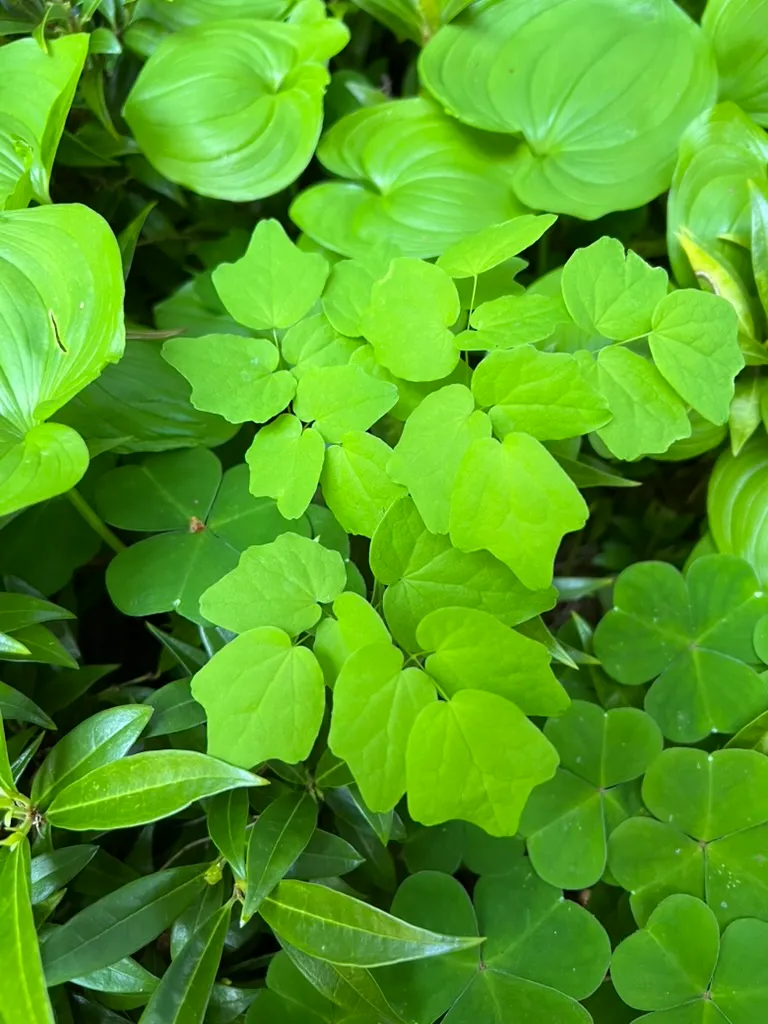
light to mid-green; ternately compound leaves with 9-15 three-lobed heart-based leaflets 0.5-1.5 inches (1.3-4 cm) across, carried on wiry and often reddish stems that give the foliage an airy open textureGrowing Conditions
Sun Requirements
Requires 1-4 hours of direct sunlight daily
• Full Sun: 6+ hours of direct sunlight
• Partial Shade: 3-6 hours of direct sunlight
• Full Shade: Less than 3 hours of direct sunlight
Care & Maintenance
Care Guide
Site in partial shade to full shade with 1–4 hours of direct sun per day, typically under the canopy of deciduous or coniferous trees where summer shade holds soil moisture and filtered spring light supports the May and June bloom. Well-drained acidic soil with a pH of 5.0–6.5 matches the soil chemistry of the Pacific Northwest coniferous forest native range, and the species tolerates both moist and dry shade positions once the root system is established and the creeping rhizomes have begun to spread. Drought tolerance develops after the first or second growing season and the species holds through dry shade under mature conifers where few other broadleaf ground covers succeed, which makes it a suited choice for the challenging dry shade conditions beneath established tree canopies. Dead foliage from the previous growing season is cleared in early spring (March) before new growth emerges from the rhizomes. Non-toxic and deer-resistant. Hardy in USDA zones 5–9.Pruning
Dead foliage from the previous growing season is cleared in early spring (March) before new growth emerges from the rhizomes, and the cleared material is removed to the compost pile or left in place as leaf litter mulch over the dormant crowns. No other pruning is needed through the year because the spreading habit develops naturally from the rhizome network and the species does not call for shaping cuts or deadheading. The rhizomatous spread is slow to moderate and does not call for containment or thinning in most garden positions.Pruning Schedule
Prune: March
early spring