Utricularia, Genus, spp., Multiple species,
- Genus
- Multiple species
bladderworts
Worldwide, every continent except Antarctica
Overview
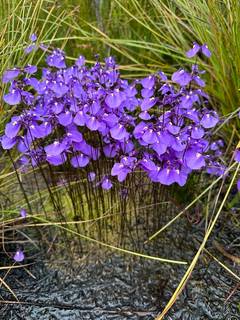
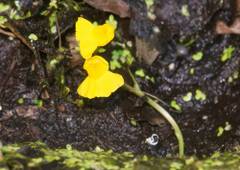
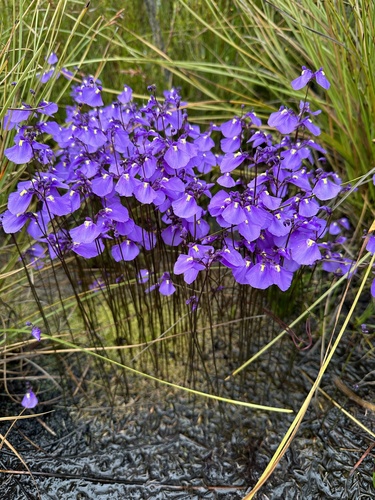
Utricularia, the bladderworts, is a genus of about 230 carnivorous plants in the family Lentibulariaceae, found in wet habitats on every continent except Antarctica. They grow as rootless aquatics, in waterlogged soil, or as epiphytes, and capture tiny prey in bladder-shaped traps scattered along their thread-like stems and leaves; each trap snaps open to suck in micro-organisms when its trigger hairs are touched. Above the water or soil, slender stalks carry small two-lipped, spurred flowers, often yellow but also purple, lilac, white, or pink, shaped much like miniature snapdragons. Most species are perennial. The need for constant moisture, low-nutrient acidic conditions, and the tiny, easily lost traps are the main challenges in cultivation.
Native Range
Native worldwide, on every continent except Antarctica, in ponds, ditches, peat bogs, wet sand, and dripping rock or as epiphytes in tropical forest. The genus is richest in the tropics of South America, Africa, and Australia.Suggested Uses
Grown by carnivorous-plant keepers in bog gardens, water gardens, and terrariums. The aquatic species are added to pond margins and the terrestrial ones to peat bogs and pots of live sphagnum moss.How to Identify
Appearance
Size & Dimensions
Height1" - 1'
Width/Spread4" - 2'
Bloom Information
Small spurred, two-lipped flowers open mainly in the warm months, spring through autumn depending on climate, held on slender stalks above the water or soil. Many species flower freely after a spell of warm, bright weather.
Detailed Descriptions
Flower Description
yellow, purple, lilac, white, or pinkFoliage Description
greenGrowing Conditions
Sun Requirements
Requires 6-8 hours of direct sunlight daily
• Full Sun: 6+ hours of direct sunlight
• Partial Shade: 3-6 hours of direct sunlight
• Full Shade: Less than 3 hours of direct sunlight
Water & Climate
Water Needs
Care & Maintenance
Care Guide
Utricularia grows in bright light to full sun in constant moisture and acidic, low-nutrient conditions. Aquatic species sit in soft, mineral-poor water, while terrestrial ones grow in wet peat-and-sand mixes kept permanently damp. Plants are never fertilized, since the traps supply their own nutrients and rich water kills them. Temperate species overwinter as small turions, while tropical ones need frost-free warmth. Standing the pots in trays of rainwater keeps the medium wet.Pruning
Little pruning is needed. Spent flower stalks are removed for tidiness, and overgrown aquatic mats are thinned to keep the water surface open. Terrestrial mats can be divided in spring to start fresh pots.Container Growing
Suitable for container growing
Minimum container size: 1 gallons