Urena, Genus, spp., Multiple species,
- Genus
- Multiple species
caesarweed
Tropical Asia (naturalised pantropically)
Overview
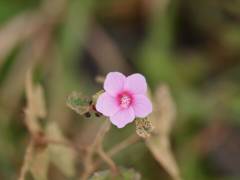
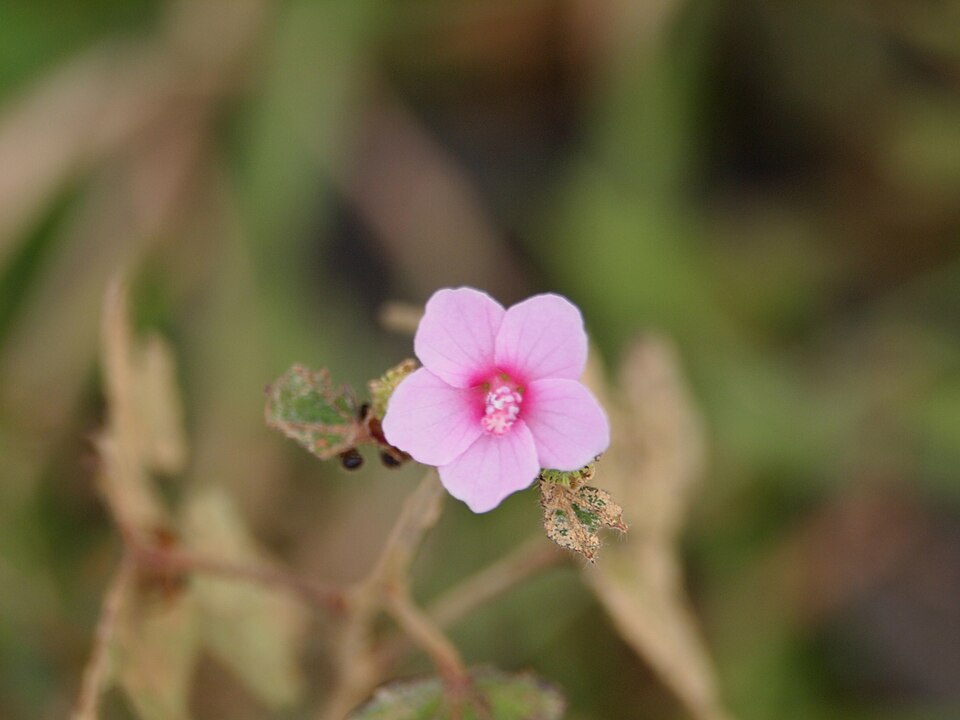
Urena is a small genus of subshrubs in the mallow family (Malvaceae), native to tropical Asia and now naturalised across the tropics worldwide. The widespread species, Urena lobata, known as Caesarweed or aramina, grows as an erect, branching subshrub 3-10 feet (0.9-3 m) tall with rounded, shallowly lobed leaves that are softly hairy and velvety to the touch. Pink, five-petalled flowers about 0.5-0.75 inch (12-20 mm) across open singly in the leaf axils through much of the year in warm climates. The flowers ripen into small, rounded fruits covered in hooked spines that cling to fur and clothing, aiding seed dispersal. The stems yield a strong bast fibre that is grown commercially as a jute substitute for sacking and cordage. The genus tolerates poor soils, heat, and seasonal drought, and spreads readily, becoming a weed of pastures and waste ground in many regions. It is listed as invasive in parts of the southeastern United States and on several Pacific islands.
Native Range
Native to tropical Asia and naturalised throughout the tropics and subtropics, growing in pastures, roadsides, forest edges, and disturbed ground.Suggested Uses
Grown as a bast-fibre crop for sacking, twine, and cordage and used in traditional herbal medicine. Elsewhere it appears mainly as a roadside and pasture weed rather than a planted ornamental.How to Identify
Appearance
Size & Dimensions
Height3' - 10'
Width/Spread2' - 5'
Bloom Information
Detailed Descriptions
Foliage Description
greenGrowing Conditions
Sun Requirements
Requires 4-12 hours of direct sunlight daily
• Full Sun: 6+ hours of direct sunlight
• Partial Shade: 3-6 hours of direct sunlight
• Full Shade: Less than 3 hours of direct sunlight