Thymophylla, Genus, spp., Multiple species,
- Genus
- Multiple species
pricklyleaves
Southwestern United States and Mexico
Overview
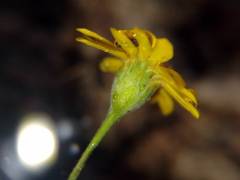
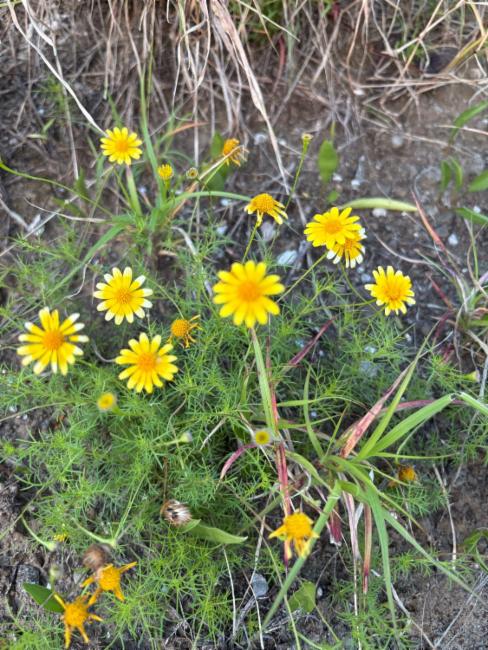
Thymophylla is a genus of about 12-17 species of small, aromatic annual and perennial herbs in the daisy family (Asteraceae), native to the southwestern United States and Mexico. Plants are low and bushy or spreading, 4-12 inches (10-30 cm) tall, with finely divided, thread-like leaves dotted with aromatic oil glands that scent the foliage when brushed. The flower heads are small, 0.4-0.8 inch (1-2 cm) across, golden yellow daisies with a ring of short ray florets around a yellow disc, borne singly on slender stalks. Several species, including T. tenuiloba, the Dahlberg daisy, bloom heavily over a long warm-season period. Thymophylla grows on dry plains, rocky slopes, and sandy or gravelly disturbed ground, and tolerates heat, drought, and poor soils. Plants are frost-tender or short-lived perennials usually grown as annuals in cool regions. Bloom drops off in humid, wet conditions and in rich soil, where growth turns soft and floppy, the main limitations in the garden. The aromatic foliage and golden heads recover quickly after a light shearing.
Native Range
Native to the southwestern United States, especially Texas and the surrounding states, and into northern and central Mexico. Plants grow on dry prairies, limestone and rocky slopes, sandy flats, and roadsides, in full sun on sharply drained soils.Suggested Uses
Used as edging, in containers, hanging baskets, rock gardens, and the front of sunny borders, where plants are spaced 6-10 inches (15-25 cm) apart. The long bloom and heat tolerance suit dry, sunny sites and xeriscape plantings. The aromatic golden daisies draw small bees and other pollinators.How to Identify
Appearance
Size & Dimensions
Height4" - 1'
Width/Spread6" - 1'
Bloom Information
In warm conditions Thymophylla flowers over a long season, from spring through autumn in mild climates and across the summer where grown as an annual. The Dahlberg daisy (T. tenuiloba) is especially long-blooming, often flowering for several months. Light shearing of spent heads renews the display.
Detailed Descriptions
Foliage Description
green, aromaticGrowing Conditions
Sun Requirements
Requires 6-12 hours of direct sunlight daily
• Full Sun: 6+ hours of direct sunlight
• Partial Shade: 3-6 hours of direct sunlight
• Full Shade: Less than 3 hours of direct sunlight
Care & Maintenance
Care Guide
Thymophylla are grown in full sun in light, sharply drained, low-fertility soil and tolerate heat and drought once established. They are usually raised from seed sown in spring, flowering quickly the same season. Even moisture is given until plants establish, after which they need little water. Rich soil, shade, humidity, and overwatering cause soft, sprawling growth and reduce flowering. Perennial species are hardy to about USDA zone 9; elsewhere the genus is grown as a warm-season annual. A light trim after the first heavy flush brings on further bloom.Pruning
Plants are sheared lightly after the main flush of bloom to remove spent heads and keep growth compact, which encourages a fresh round of flowers. No other pruning is needed. Annual plants are cleared at the end of the season.Container Growing
Suitable for container growing