Thomasia, Genus, spp., Multiple species,
- Genus
- Multiple species
paper flower
Overview
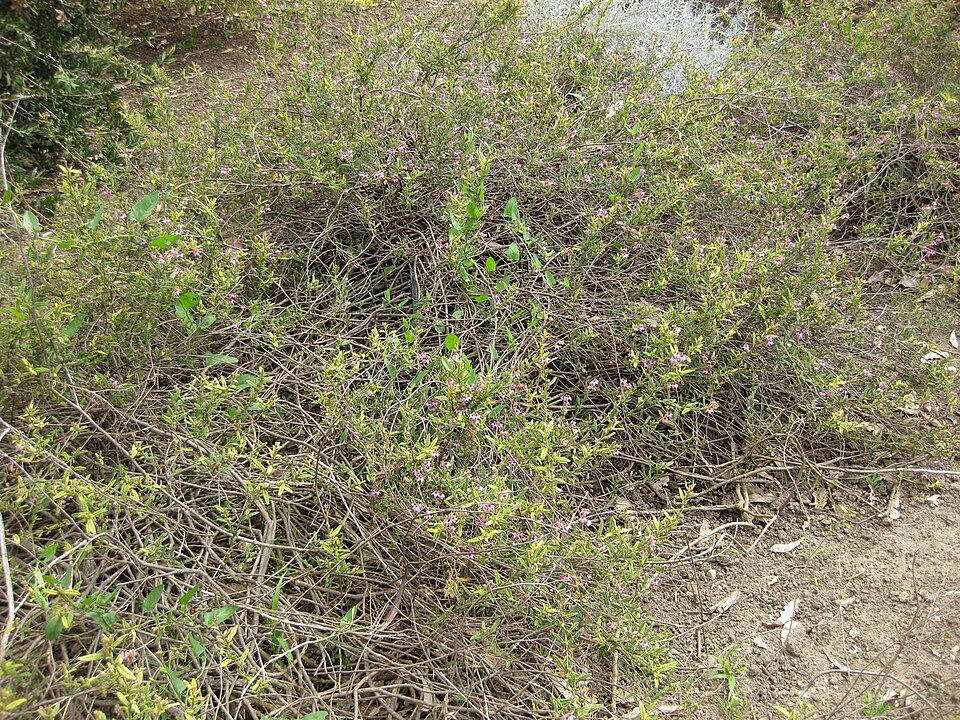
Thomasia is a genus of about 30 small evergreen shrubs in the family Malvaceae, almost all endemic to the southwest of Western Australia, with a single species in the east. Plants form low, rounded to spreading mounds 1-5 feet (0.3-1.5 m) tall, with soft, hairy, often lobed or wavy-edged leaves on slender, hairy stems. The nodding flowers hang in small clusters and take their color from an enlarged, papery, petal-like calyx in shades of pink, mauve, purple, or white, while the true petals are reduced and inconspicuous. The dry, papery flowers hold their color for weeks and give the genus its common name, paper-flower. Flowering runs through winter and spring. Plants grow in sandy, gravelly, free-draining heath and open woodland soils and tolerate dry spells once established, but rot in heavy, wet ground. Most species are damaged by high soil phosphorus, in keeping with much of the Western Australian flora, and frost tolerance is limited. The soft growth can become open and straggly with age unless trimmed.
Native Range
Thomasia is concentrated in southwestern Western Australia, with one species in southeastern Australia. It grows in heath, shrubland, and open forest on sandy and gravelly soils.Suggested Uses
Used as a small flowering shrub in native, rockery, and low-water gardens, and in containers where drainage can be controlled. Suited to sandy banks and heath-style plantings with other acid-loving natives.How to Identify
Appearance
Size & Dimensions
Height1' - 5'
Width/Spread2' - 5'
Bloom Information
Detailed Descriptions
Flower Description
pink, mauve, purple, or whiteFoliage Description
greenGrowing Conditions
Sun Requirements
Requires 4-8 hours of direct sunlight daily
• Full Sun: 6+ hours of direct sunlight
• Partial Shade: 3-6 hours of direct sunlight
• Full Shade: Less than 3 hours of direct sunlight
Care & Maintenance
Care Guide
Grow in full sun to light shade on sandy or gravelly, sharply drained soil. Water moderately while establishing, then keep on the drier side, as the roots rot in heavy, wet ground. Use low-phosphorus fertilizer or none, in keeping with phosphorus-sensitive natives. Trim lightly after flowering to keep growth compact. Most species are hardy only to light frost and need shelter in cold districts.Pruning
Trim lightly after flowering, cutting back the soft new growth to maintain a dense, rounded shape. Plants resent hard cutting into bare old wood. Remove dead or frost-damaged stems in spring.Container Growing
Suitable for container growing
Minimum container size: 3 gallons