Thelionema, Genus, spp., Multiple species,
- Genus
- Multiple species
tufted blue lily
Overview
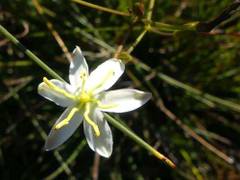
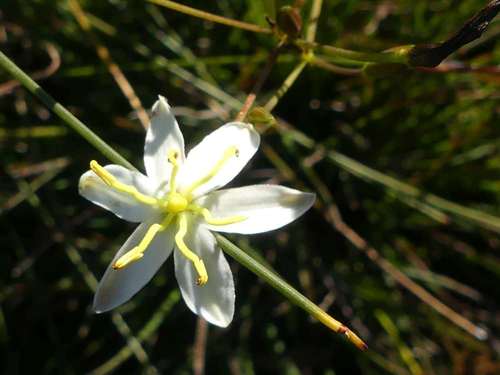
Thelionema is a genus of three tufted, grass-like perennial herbs in the family Asphodelaceae, endemic to eastern and southern Australia. Plants grow from short rhizomes into dense clumps of narrow, flat, strap-like leaves 12-24 inches (30-60 cm) long, often blue-green and slightly leathery. In late spring and summer, branched, airy panicles rise to 1-3 feet (30-90 cm), carrying many small, six-petaled, star-shaped flowers in blue, yellow, or white, each with prominent yellow anthers. The flowers open in succession over several weeks, and small capsules follow. T. caespitosum, the tufted blue lily, is the species grown most often. Plants occur in grassland, heath, and open woodland, on soils that range from seasonally damp to free-draining, and tolerate both periodic wet and summer dry once established. They are slow to bulk up and can look sparse until clumps mature. Frost tolerance is moderate, with foliage damaged by hard freezes in cold districts.
Native Range
Thelionema is endemic to Australia, in New South Wales, Victoria, Queensland, Tasmania, and South Australia. It grows in grassland, heath, and open forest, often where soils are seasonally moist.Suggested Uses
Used as a grass-like accent in native, meadow, and low-water gardens, and for mass planting in borders and rockeries. Suited to seasonally damp ground and mixed plantings with other tufted natives.How to Identify
Appearance
Size & Dimensions
Height1' - 3'
Width/Spread1' - 1'6"
Bloom Information
Detailed Descriptions
Flower Description
blue, yellow, or whiteFoliage Description
blue-greenGrowing Conditions
Sun Requirements
Requires 4-8 hours of direct sunlight daily
• Full Sun: 6+ hours of direct sunlight
• Partial Shade: 3-6 hours of direct sunlight
• Full Shade: Less than 3 hours of direct sunlight
Care & Maintenance
Care Guide
Grow in full sun to part shade on free-draining sandy or loamy soil that can range from seasonally moist to dry. Water during establishment and in long dry spells, then rely largely on rainfall. Cut spent flower stems and tidy old leaves in late winter. Plants need little feeding and suit low-phosphorus regimes for natives. Frost tolerance is moderate, so shelter is helpful in cold-winter areas.Pruning
Remove spent flower stems at the base after bloom and comb out dead leaves in late winter. No other pruning is needed. Divide congested clumps in spring to propagate or rejuvenate.Container Growing
Suitable for container growing
Minimum container size: 2 gallons