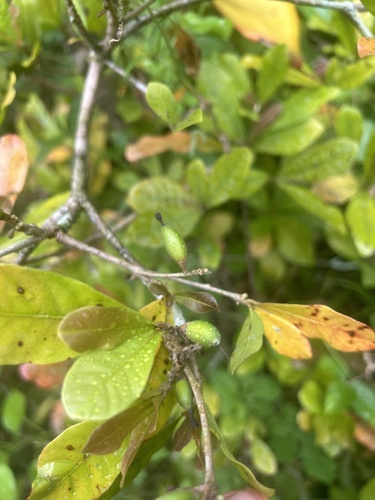
Synsepalum, Genus, dulcificum, Species,
- Genus & species
miracle fruit
West Africa (Ghana, Nigeria, and surrounding region)
SunPart Shade – Full Sun
Watermoderate
Overview
Synsepalum dulcificum is the miracle fruit plant, growing 36–72 inches (90–180 cm) in containers. Small red olive-shaped berries 0.75 inch (18 mm) containing the glycoprotein miraculin, which binds to taste receptors on the tongue and temporarily causes sour and acidic foods to taste sweet — the effect lasts 30–60 minutes after chewing the berry pulp. The miraculin protein does not add sweetness; it modifies the perception of acidity by altering the response of sweet taste receptors to low pH. Dark green glossy obovate leaves 3–5 inches (7–13 cm). Tiny white flowers produced sporadically year-round in tropical conditions; berries ripen 2–3 months after flowering. Requires acidic soil (pH 4.5–5.8) — more acidic than most houseplants, and sensitivity to alkaline conditions is a primary cultural challenge. Use a peat-based acidic potting mix and water with filtered or rainwater (municipal tap water is often alkaline). Interveinal chlorosis develops rapidly above pH 6.0. Native to West Africa (Ghana, Nigeria). Frost-tender: damaged below 40°F (4°C). Bright indirect to full sun. Growth rate is very slow — 3–6 inches (7–15 cm) per year. Non-toxic — the berries are edible. Mealybugs and spider mites. Containers of 3–5 gallons (12–20 liters).
Native Range
Native to West Africa, specifically Ghana, Nigeria, and surrounding tropical regions, where it grows as an understory shrub in tropical forests.Suggested Uses
Grown in containers of 3–5 gallons (12–20 liters) in bright indirect to full sun with very acidic soil (pH 4.5–5.8). The taste-modifying berries are the cultivation interest. Non-toxic edible berries.How to Identify
Appearance
Size & Dimensions
Height3' - 6'
Width/Spread2' - 4'
Bloom Information
Tiny white flowers produced sporadically year-round in tropical conditions. Berries ripen 2–3 months after flowering. Fruiting requires warm tropical conditions and acidic soil.
Detailed Descriptions
Flower Description
White, tinyFoliage Description
Dark green, glossy, obovateGrowing Conditions
Sun Requirements
Requires 4-8 hours of direct sunlight daily
• Full Sun: 6+ hours of direct sunlight
• Partial Shade: 3-6 hours of direct sunlight
• Full Shade: Less than 3 hours of direct sunlight
Care & Maintenance
Care Guide
Bright indirect to full sun. Acidic soil pH 4.5–5.8 required — use peat-based mix and filtered/rainwater (tap water often too alkaline). Chlorosis above pH 6.0. Frost-tender below 40°F (4°C). Very slow-growing. Non-toxic edible berries. Mealybugs and spider mites.Pruning
Minimal pruning needed — the slow growth produces a naturally compact form. Remove dead or damaged branches. Pinch growing tips for branching if desired.Container Growing
Suitable for container growing
Minimum container size: 3 gallons