Image 1 of 21
1 / 21
Plant Reference
Struthiopteris, Genus, spicant, Species,
- Genus & species
deer fern
Western North America (Alaska to California), Europe, and eastern Asia; moist acidic coniferous forest understory — circumpolar distribution
Overview
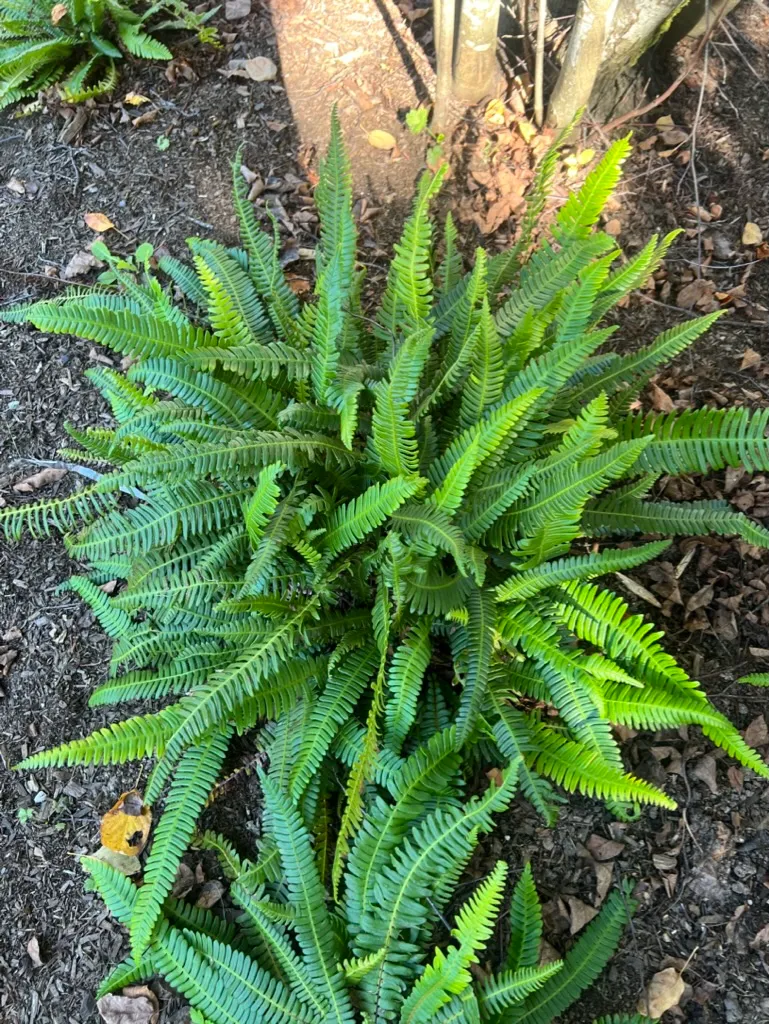
Struthiopteris spicant is deer fern (hard fern), a compact clumping evergreen fern growing 12-24 inches (30-60 cm) tall and 12-18 inches (30-45 cm) wide. Dimorphic fronds: sterile fronds form a low spreading evergreen rosette with wide pinnae; fertile fronds emerge erect from the center, taller and narrower, with linear sori covering the underside. In Blechnaceae. Formerly Blechnum spicant. Spicant = spicate. The dimorphic frond form is the diagnostic feature. Circumpolar distribution — western North America, Europe, and eastern Asia. Requires consistent moisture and acidic soil (pH 4.5-6.0). This acid-moisture requirement is the primary cultural limitation. Not drought-tolerant. Non-toxic. Deer-resistant (despite the common name). Zones 5-8. Full shade to part shade. Growth rate is slow to moderate.
Native Range
Native to western North America (Alaska to California), Europe, and eastern Asia. Circumpolar distribution. Found in moist acidic coniferous forest understory.Suggested Uses
Grown as a native shade ground cover, woodland understory, and in containers of at least 2 gallons (7.5 L) with acidic mix, spaced 12-18 inches (30-45 cm). Native PNW fern. Dimorphic fronds. Moist acid soil required. Non-toxic. Zones 5-8.How to Identify
Appearance
Size & Dimensions
Height1' - 2'
Width/Spread1' - 1'6"
Reproduction
Reproduces by spores in continuous linear sori along the underside of erect narrow fertile fronds. Spores ripen summer through fall. Fertile fronds brown after spore release.
Detailed Descriptions
Foliage Description
Glossy dark green, leathery; dimorphic fronds — sterile (spreading, wider pinnae) and fertile (erect, narrow pinnae with sori); fertile fronds turn brown in fall after spore release; sterile fronds persist evergreenGrowing Conditions
Sun Requirements
Requires 1-4 hours of direct sunlight daily
• Full Sun: 6+ hours of direct sunlight
• Partial Shade: 3-6 hours of direct sunlight
• Full Shade: Less than 3 hours of direct sunlight
Care & Maintenance
Care Guide
Full shade to part shade (1-4 hours). Moist acidic soil pH 4.5-6.0. Not drought-tolerant — consistent moisture required. Remove old brown fertile fronds in early spring (February-March). Non-toxic. Deer-resistant. Zones 5-8.Pruning
Remove old brown fertile fronds and any tattered sterile fronds in early spring (February-March) before new croziers emerge.Pruning Schedule
Prune: February–March
early spring
Container Growing
Suitable for container growing
Minimum container size: 2 gallons