Streptanthus, Genus, spp., Multiple species,
- Genus
- Multiple species
jewelflower
Overview
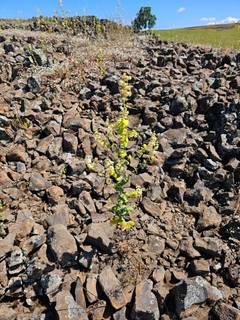
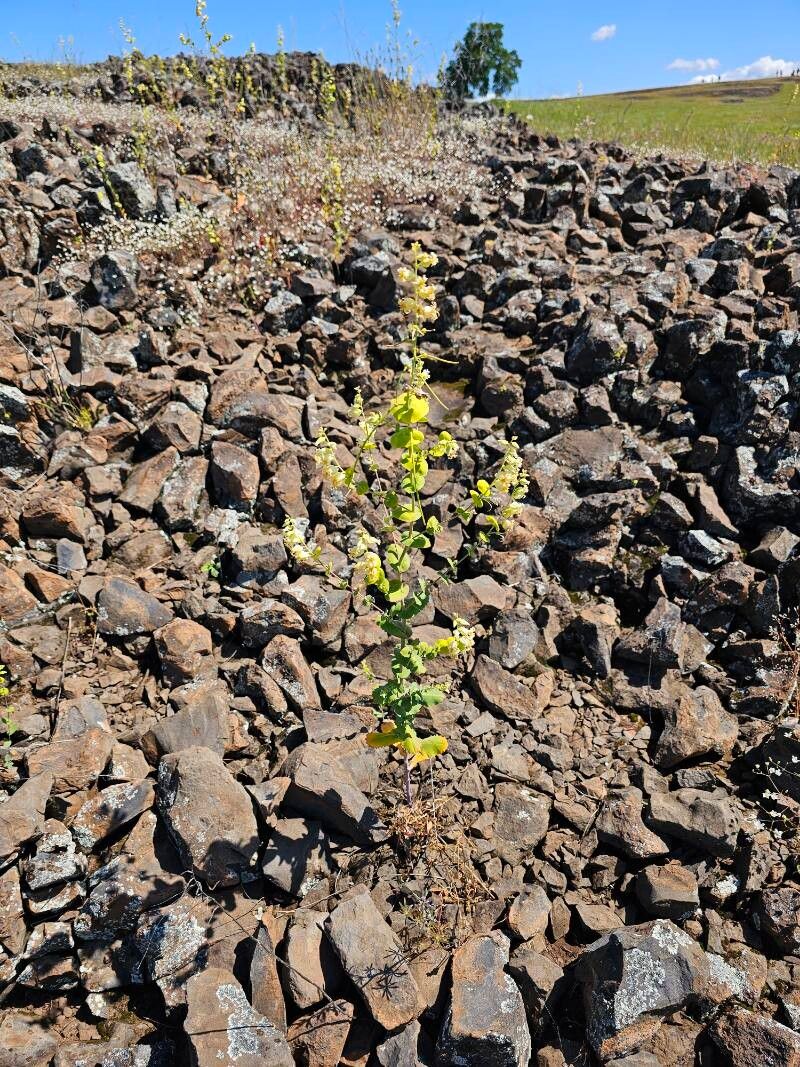
Streptanthus is a genus of about 35 species of annual and perennial herbs in the mustard family (Brassicaceae), native to western North America and centered in California. Known as jewelflowers or twistflowers, the plants grow 8-40 inches (20-100 cm) tall on slender, often glaucous stems with clasping, sometimes perfoliate upper leaves. The flowers stand apart within the family: an inflated, urn-shaped calyx encloses narrow, crisped or twisted petals in shades of purple, maroon, white, cream, or yellow-green, opening from the base of the raceme upward. Many species are restricted to serpentine, gabbro, or other harsh mineral soils, and the genus includes numerous narrow endemics. Slender curved seed pods (siliques) follow and split to release flattened seeds. Streptanthus grows in full sun on rocky, sharply drained, often nutrient-poor or metal-rich soils in chaparral, woodland openings, and montane slopes. Annual species complete their cycle in a single wet season, while perennials persist from a woody base. The genus tolerates lean, dry ground but is short-lived in rich garden soil and intolerant of summer irrigation.
Native Range
Streptanthus is native to western North America, with the greatest diversity in California and adjacent Oregon, Nevada, and the desert Southwest. Many species are edaphic endemics confined to serpentine, gabbro, or limestone outcrops in chaparral, oak woodland, and montane slopes.Suggested Uses
Streptanthus is used in native plant, rock, and dry-meadow gardens in western regions, and in restoration of serpentine and chaparral habitats. Its inflated flowers feature in wildflower and pollinator plantings on lean soils. It suits gravel gardens where summer water is withheld.How to Identify
Appearance
Size & Dimensions
Height8" - 3'4"
Width/Spread6" - 1'6"
Colors
Foliage Colors
Bloom Information
Flowering runs from spring into early summer, generally March to June, earlier in low deserts and later at elevation. Flowers open in sequence up the raceme over several weeks. In annual species the plant dies after seed set, while perennials rebloom from the base in following years.
Detailed Descriptions
Flower Description
purple to maroon, white, or yellow-greenFoliage Description
blue-greenGrowing Conditions
Sun Requirements
Requires 6-12 hours of direct sunlight daily
• Full Sun: 6+ hours of direct sunlight
• Partial Shade: 3-6 hours of direct sunlight
• Full Shade: Less than 3 hours of direct sunlight