Image 1 of 22
1 / 22
Plant Reference
Stewartia, Genus, monadelpha, Species,
- Genus & species
tall stewartia
Japan (Honshu, Shikoku, Kyushu) and Korea; mountain forests at mid-elevations
Overview
Stewartia monadelpha is tall stewartia (orangebark stewartia), an upright deciduous tree growing 20-30 feet (6-9 m) tall and 15-20 feet (4.5-6 m) wide with a pyramidal crown. White cup-shaped flowers 1-1.5 inches (2.5-4 cm) with a violet-purple fused stamen column at the center in June-July — individual flowers last 1-2 days each but are produced in succession over 4 weeks. Smaller flowers than S. pseudocamellia (2.5-3 inches / 6-7 cm). Dark green simple elliptic to ovate finely serrated leaves 1.5-3 inches (4-7 cm). Turns orange and red in fall. The bark exfoliates to reveal smooth orange-brown to cinnamon inner bark — this exfoliating bark is the year-round feature. In Theaceae. Monadelpha = stamens fused into one group. Native to Japan and Korea. Slow-growing — reaches mature size over 20+ years. This slow growth rate is the primary establishment limitation. Requires acidic well-drained soil (pH 5.0-6.5) — iron chlorosis in alkaline conditions. Does not tolerate transplanting well — plant from container-grown stock and do not move. Not drought-tolerant — consistent moisture required. No significant pest or disease problems. Deer-resistant. Non-toxic. Zones 5-8. Part sun. Growth rate is slow.
Native Range
Native to Japan (Honshu, Shikoku, Kyushu) and Korea. Found in mountain forests at mid-elevations.Suggested Uses
Grown as a specimen tree and understory tree in acidic well-drained sites spaced 15-20 feet (4.5-6 m). Exfoliating orange-brown to cinnamon bark. Orange-red fall color. Slow-growing. Requires acidic soil and consistent moisture. Non-toxic. Zones 5-8.How to Identify
Appearance
Size & Dimensions
Height20' - 30'
Width/Spread15' - 20'
Bloom Information
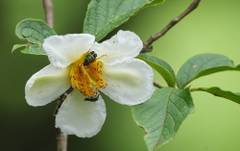
Early to midsummer (June-July). White cup-shaped flowers 1-1.5 inches (2.5-4 cm) with violet-purple fused stamen column. Individual flowers last 1-2 days; produced in succession over 4 weeks. Bee-pollinated.
Detailed Descriptions
Flower Description
White with violet-purple fused stamens (monadelpha = stamens united into one group), cup-shaped, 1-1.5 inches (2.5-4 cm); smaller than S. pseudocamellia (2.5-3 inches / 6-7 cm)Foliage Description
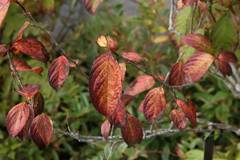
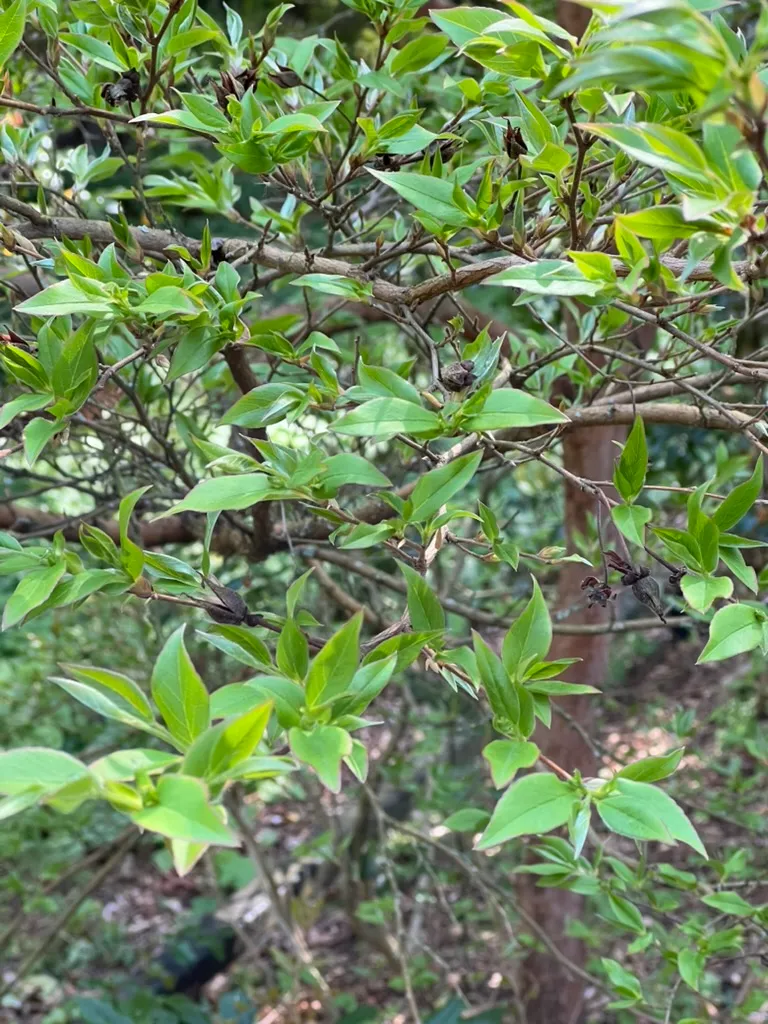
Dark green, simple, elliptic to ovate, 1.5-3 inches (4-7 cm), finely serrated; turns orange and red in fallGrowing Conditions
Sun Requirements
Requires 4-8 hours of direct sunlight daily
• Full Sun: 6+ hours of direct sunlight
• Partial Shade: 3-6 hours of direct sunlight
• Full Shade: Less than 3 hours of direct sunlight
Care & Maintenance
Care Guide
Part sun (4-8 hours — afternoon shade in hot climates). Acidic well-drained soil pH 5.0-6.5. Not drought-tolerant — consistent moisture required. Do not transplant — plant from container-grown stock and leave in place. Slow-growing. No significant pest or disease problems. Prune in winter (January-February). Deer-resistant. Non-toxic. Zones 5-8.Pruning
Prune in winter (January-February). Minimal pruning needed — the pyramidal form is natural. Remove dead or crossing branches. Do not remove lower branches if the exfoliating bark is displayed on the trunk.Pruning Schedule
Prune: January–February
winter