Stevia, Genus, rebaudiana, Species,
- Genus & species
stevia
Paraguay, Brazil (subtropical highlands)
Overview
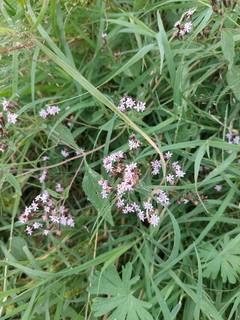
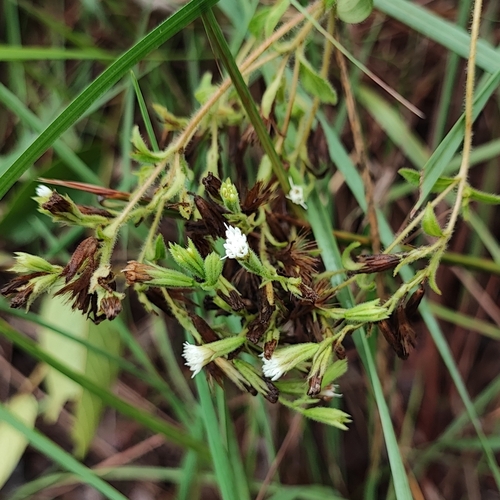
Stevia rebaudiana is a bushy, erect, semi-woody perennial herb in the daisy family (Asteraceae) reaching 12–24 inches (30–60 cm) tall with a 12–18 inch (30–45 cm) spread. Stems are erect, branching, slightly woody at the base, green, lightly pubescent. Leaves are opposite, ovate to lanceolate, 1–2.5 inches (2.5–6 cm) long, medium green, with toothed margins. The defining feature is the intense sweetness of the leaves — chewing a fresh leaf produces a sweetness 200–300 times that of sugar by weight, from steviol glycosides (stevioside, rebaudioside A). The sweetness has a slight bitter or licorice-like aftertaste in some cultivars. Flowers are small, white, in terminal corymbs of 3–5 heads, typical Asteraceae composite structure. Hardy only to USDA zone 9; in the Pacific Northwest (zones 7–8), stevia is grown as an annual or overwintered indoors in containers. Does not tolerate frost. Short-day flowering (triggered when day length falls below 13 hours) limits seed production in northern latitudes.
Native Range
Native to the subtropical highlands of Paraguay and Brazil (Amambay department), occurring in sandy, acidic soils at 500–1,500 feet (150–460 m). Used by the Guaraní people for centuries as a sweetener (ka'a he'ê, meaning "sweet herb"). Commercial cultivation began in Japan in the 1970s.Suggested Uses
Planted in herb gardens, balcony containers, and kitchen windowsill gardens. Fresh leaves are chewed as a natural sweetener, added to tea, or dried and powdered as a sugar substitute. The intense sweetness (200–300× sugar) makes stevia the primary non-caloric natural sweetener plant. The taste test comparing stevioside sweetness to sugar is a sensory identification exercise. The steviol glycoside chemistry, the Guaraní ethnobotanical history, and the short-day flowering physiology are teaching topics in herb identification courses.How to Identify
Appearance
Size & Dimensions
Height1' - 2'
Width/Spread1' - 1'6"
Bloom Information
Flowers in late September through October as day length drops below 13 hours (short-day plant). Small white composite flowers in terminal corymbs. Seed viability is often low; propagation by stem cuttings is more reliable. In the Pacific Northwest, flowering coincides with the first frost risk, often preventing seed maturation.
Detailed Descriptions
Foliage Description
Medium green, ovate to lanceolate, with toothed margins; intensely sweet when chewedGrowing Conditions
Sun Requirements
Requires 6-10 hours of direct sunlight daily
• Full Sun: 6+ hours of direct sunlight
• Partial Shade: 3-6 hours of direct sunlight
• Full Shade: Less than 3 hours of direct sunlight
Care & Maintenance
Care Guide
Start from nursery transplants or rooted stem cuttings in spring after the last frost. Space 12–18 inches (30–45 cm) apart in full sun with well-drained, consistently moist soil. Does not tolerate frost; in the Pacific Northwest (zones 7–8), grow as an annual or in containers brought indoors before first frost. Container culture (2+ gallon) is the standard method for balcony and windowsill herb gardens in cold-winter regions. Pinch stem tips regularly to encourage bushy, branching growth and delay flowering. Harvest leaves before flowering for the highest steviol glycoside concentration. Propagate by 4-inch (10 cm) stem tip cuttings rooted in moist perlite.Pruning
Pinch stem tips every 3–4 weeks through summer to encourage branching and delay flowering. Harvest entire stems by cutting back to 4 inches (10 cm). If overwintering indoors, cut back to 4 inches and maintain in a bright window.Pruning Schedule
Prune: June–July
summer
Container Growing
Suitable for container growing
Minimum container size: 2 gallons
Toxicity
Non-toxicPlanting Guide
Planting Methods & Timing
Planting Method
transplant
Indoor Start
10 weeks before last frost
Days to Maturity
120–150 days
Plant Spacing
18 inches