Stephanomeria, Genus, spp., Multiple species,
- Genus
- Multiple species
wirelettuces
Western North America, arid interior west
Overview
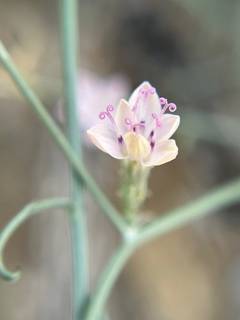
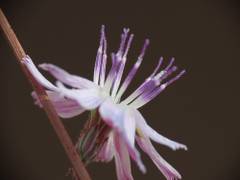
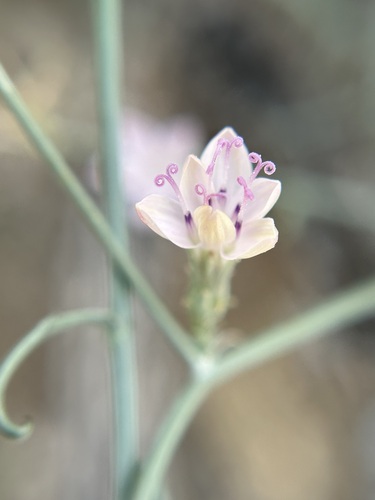
Stephanomeria is a genus of about 16 species in the daisy family (Asteraceae), known as wirelettuces for their slender, wiry, intricately branched stems. The genus is native to western North America, where it grows in deserts, dry grassland, sagebrush steppe, and open pine woodland. Plants range from low annuals to bushy perennials and small subshrubs 4 in to 5 ft (10 cm to 1.5 m) tall, with narrow leaves that are often reduced or withered by flowering time. All parts carry a milky latex typical of the chicory tribe. The flower heads hold only strap-shaped ray florets, usually pink to pale lavender or white, and open along the wiry branches rather than in dense clusters. Seeds bear a feathery pappus that carries them on the wind. Several species are narrow desert endemics, and S. malheurensis of Oregon is a federally listed endangered plant. The genus draws small native bees and is uncommon in cultivation, appearing mainly in restoration and native-plant settings where its airy form and drought tolerance suit dry, lean ground.
Native Range
The genus is native to western North America, centered in the arid interior west of the United States and extending into northern Mexico. Species grow from desert basins up into dry mountain woodland.Suggested Uses
Used in dryland native-plant gardens, restoration plantings, and rock or gravel gardens across the western United States. The wiry, see-through stems suit naturalistic and xeric plantings, spaced 12-18 in (30-45 cm) apart. Seed heads feed small finches and other seed-eating birds.How to Identify
Appearance
Size & Dimensions
Height4" - 5'
Width/Spread6" - 2'
Bloom Information
Detailed Descriptions
Flower Description
pink, pale lavender, and whiteFoliage Description
greenGrowing Conditions
Sun Requirements
Requires 6-10 hours of direct sunlight daily
• Full Sun: 6+ hours of direct sunlight
• Partial Shade: 3-6 hours of direct sunlight
• Full Shade: Less than 3 hours of direct sunlight