Stenanthera, Genus, conostephioides, Species,
- Genus & species
flame heath
Overview
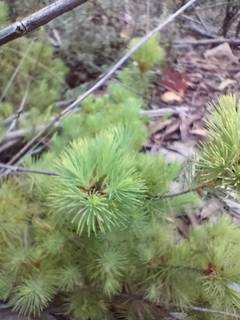
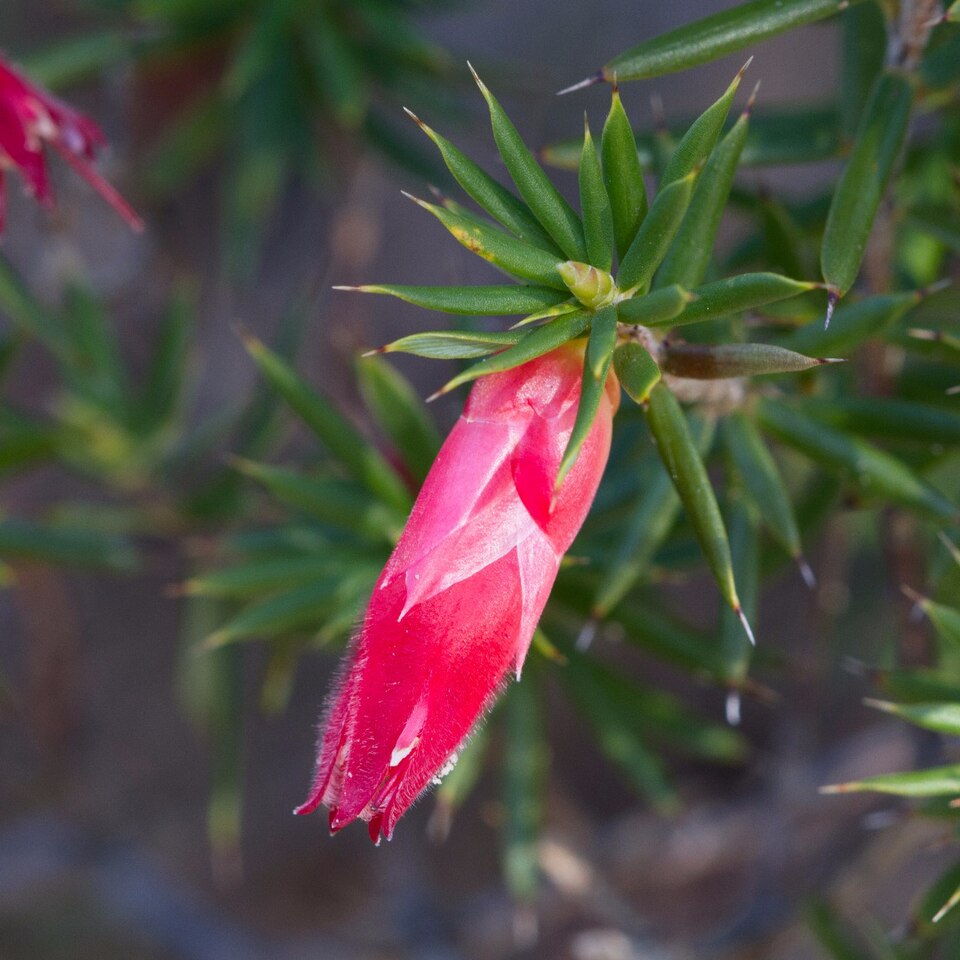
Stenanthera conostephioides, also known as Astroloma conostephioides, is a small evergreen heath shrub growing 12-40 inches (30-100 cm) tall with a low, spreading to rounded habit and wiry, often reddish stems. The crowded leaves are small, narrow, and stiff, 0.2-0.6 inch (5-15 mm) long, ending in a sharp point, dull green to grey-green. Tubular scarlet to red flowers about 0.6-1 inch (15-25 mm) long hang singly among the upper leaves, with a narrow throat and small spreading lobes at the tip. Flowering occurs through autumn, winter, and early spring. The flowers carry nectar and are visited by honeyeaters. A small succulent fruit follows. Growth is slow, and plants form low mounds over several years. Like many heath plants, it depends on free-draining, low-nutrient soil and a soil fungal partnership, and it is difficult to keep in cultivation. The prickly leaves make the foliage rough to handle.
Native Range
Native to southern Australia, in South Australia, western Victoria, and southern New South Wales. Grows in heathland, mallee, and dry open forest on sandy, gravelly, and rocky well-drained soils of low fertility, often in sunny or lightly shaded positions.Suggested Uses
Grown in native heath gardens, rockeries, and well-drained embankments by specialist growers, spaced 12-24 inches (30-60 cm) apart. Used where its winter nectar supports honeyeaters in sunny, sharply drained beds. The need for lean, perfectly drained soil limits its use in general garden settings.How to Identify
Appearance
Size & Dimensions
Height1' - 3'4"
Width/Spread1'4" - 3'
Bloom Information
Flowers through autumn, winter, and early spring, roughly April to September, with the heaviest display in winter. Individual flowers last 1-2 weeks, and the long season supplies nectar over several months. Flowering is reduced in shaded or over-fertilised positions.
Detailed Descriptions
Flower Description
scarlet to redFoliage Description
grey-greenGrowing Conditions
Sun Requirements
Requires 5-9 hours of direct sunlight daily
• Full Sun: 6+ hours of direct sunlight
• Partial Shade: 3-6 hours of direct sunlight
• Full Shade: Less than 3 hours of direct sunlight
Care & Maintenance
Care Guide
Grows in full sun to light shade in sharply drained sandy or gravelly soils of very low fertility. It is sensitive to phosphorus and to wet, heavy, or rich soils, which cause root death. Established plants tolerate dry periods but resent disturbance to their roots. The species depends on a soil fungal association, making it slow and unreliable in standard garden conditions. It is usually grown from seed or cuttings by native-plant specialists. Crown and root rot are the main causes of loss.Pruning
Light tip pruning after flowering keeps the low mound dense. Hard pruning into bare old wood is slow and unreliable to reshoot. Spent flower stems and damaged growth can be trimmed without harm.Pruning Schedule
Prune: September–October
spring
Container Growing
Suitable for container growing
Minimum container size: 3 gallons