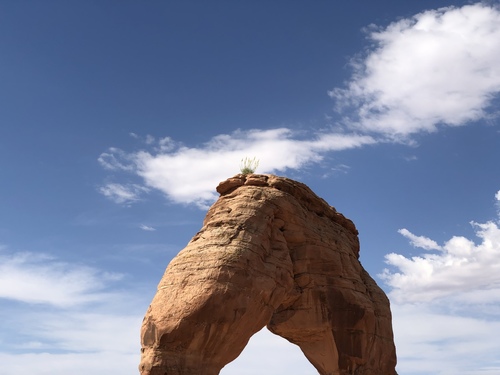
Stanleya, Genus, spp., Multiple species,
- Genus
- Multiple species
desert plume
Overview
Stanleya is a genus of about six to seven species in the mustard family (Brassicaceae), native to the arid and semi-arid interior of western North America. Plants range from herbaceous perennials to subshrubs woody at the base, growing 2-5 feet (60-150 cm) tall on erect, often glaucous blue-green stems. The lower leaves are pinnately lobed to entire, while upper leaves are smaller and clasping. Flowers are borne in elongated terminal racemes 6-24 inches (15-60 cm) long; each has four narrow yellow to cream petals and four long protruding stamens, producing a feathery, plume-like spike that gives the group its common name, desert plume. Several species, including S. pinnata, accumulate selenium from soils and can be toxic to grazing livestock when eaten in quantity. After flowering, slender curved seed pods (siliques) 1-3 inches (2.5-7.5 cm) long hang from the stalk. Stanleya occupies open desert flats, washes, and rocky slopes across the Great Basin, Mojave, and Colorado Plateau. The genus needs sharp drainage and tolerates alkaline, gypsum, and selenium-bearing soils that exclude many other perennials, though it is short-lived where summer irrigation or heavy soils keep the roots wet.
Native Range
Native to western North America, Stanleya ranges across the Great Basin, Mojave Desert, and Colorado Plateau, extending from eastern Oregon and Idaho south to Arizona, New Mexico, and northern Mexico. Most species grow on arid flats, desert washes, and rocky or gypsum slopes, frequently on selenium-rich substrates.Suggested Uses
Stanleya is used in dry gardens, rock gardens, and native plantings in arid and semi-arid regions, where it suits gravel beds and unirrigated slopes. Its tall yellow racemes appear in wildflower and pollinator plantings on alkaline soils. It is not suited to humid climates or regularly watered borders.How to Identify
Appearance
Size & Dimensions
Height2' - 5'
Width/Spread1' - 2'
Colors
Foliage Colors
Bloom Information
Across the genus, flowering runs from late spring into summer, generally April through July depending on elevation and rainfall. Bloom opens from the base of the raceme upward over several weeks, so a single spike carries open flowers, buds, and developing pods at once. In dry years flowering is brief, while wetter springs extend it.
Detailed Descriptions
Flower Description
yellow to creamFoliage Description
blue-greenGrowing Conditions
Sun Requirements
Requires 6-12 hours of direct sunlight daily
• Full Sun: 6+ hours of direct sunlight
• Partial Shade: 3-6 hours of direct sunlight
• Full Shade: Less than 3 hours of direct sunlight
