Spyridium, Genus, spp., Multiple species,
- Genus
- Multiple species
dusty miller
Overview
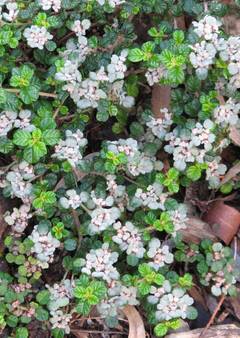
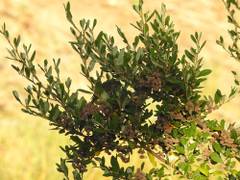
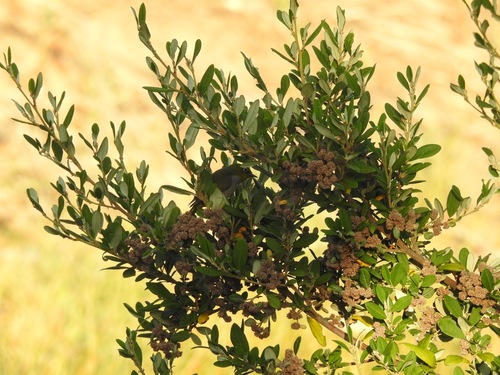
Spyridium is a genus of evergreen shrubs in the family Rhamnaceae, native to southern Australia. Plants range from low, spreading forms to upright shrubs 1-8 feet (0.3-2.4 m) tall, with small, alternate leaves that are often hairy and grey-green to dark green, sometimes with rolled-under margins. Tiny cream to white flowers gather in dense clusters at the branch tips, but the showy part is the ring of woolly, white to cream floral leaves that surround each cluster. Flowering runs mainly from late winter into spring. The genus grows in heath, mallee, woodland, and coastal scrub on sandy, gravelly, or rocky low-fertility soils, in full sun to light shade. It tolerates dry, exposed sites and poor ground but resents heavy, wet, or rich soils. Plants suit native and water-wise gardens in mild, frost-free to light-frost climates, roughly USDA zones 9 to 10.
Native Range
Spyridium is native to southern Australia, with most species in the south-west, South Australia, Victoria, and Tasmania. The shrubs grow in heath, mallee, dry woodland, and coastal scrub on sandy, gravelly, and rocky soils.Suggested Uses
Used in native, coastal, and water-wise gardens, on dry banks, as low informal hedging, and in containers. Spaced 24-48 inches (60-120 cm) apart depending on species, plants form mounded or upright cover. The pale flower heads also draw native bees and other insects.How to Identify
Appearance
Size & Dimensions
Height1' - 8'
Width/Spread2' - 6'
Bloom Information
Flowering occurs mainly from late winter into spring, generally July to November in the native range. Dense clusters of tiny cream to white flowers open at the branch tips, set off by woolly white floral leaves. Some species flower lightly at other times in mild conditions.
Detailed Descriptions
Flower Description
Cream to whiteFoliage Description
Grey-green to dark greenGrowing Conditions
Sun Requirements
Requires 5-8 hours of direct sunlight daily
• Full Sun: 6+ hours of direct sunlight
• Partial Shade: 3-6 hours of direct sunlight
• Full Shade: Less than 3 hours of direct sunlight
Care & Maintenance
Care Guide
Plants grow in full sun to light shade on sandy, gravelly, or rocky, sharply drained soils at an acid to neutral pH from about 5.5 to 7.0. Once established they tolerate drought, heat, wind, and coastal exposure and need little water or feeding. Rich, heavy, or poorly drained soils shorten their life and can cause root rot. A light trim after flowering keeps growth compact. Young plants are watered until rooted, after which irrigation can be cut back. Hardiness suits frost-free to light-frost regions, roughly USDA zones 9 to 10.Pruning
A light trim after flowering keeps plants bushy and slows open, woody growth. Cutting is kept to leafy stems, since hard pruning into bare wood resprouts unevenly. Spent flower heads can be removed to tidy the shrub.Pruning Schedule
Prune: November–December
late spring
Container Growing
Suitable for container growing
Minimum container size: 3 gallons