Sowerbaea, Genus, juncea, Species,
- Genus & species
rush lily
Overview
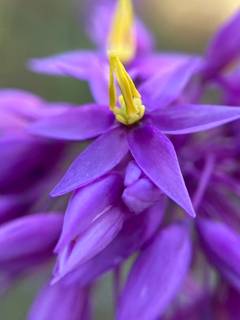
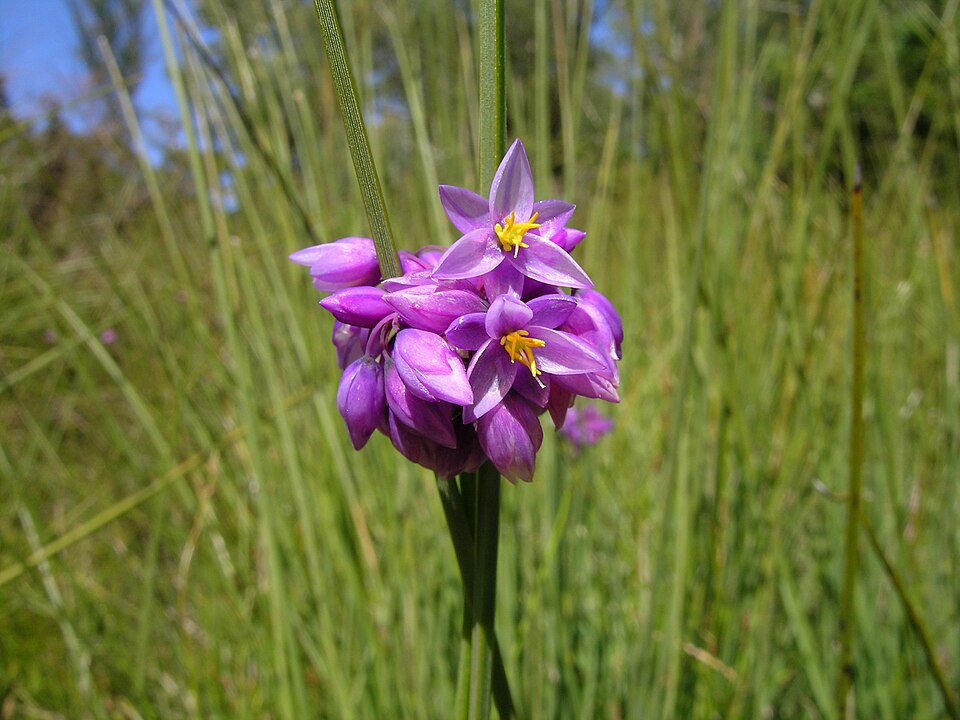
Sowerbaea juncea is a tufted evergreen perennial in the family Asparagaceae forming a clump 8-16 inches (20-40 cm) tall and 6-12 inches (15-30 cm) wide of slender, rush-like, cylindrical leaves. From spring, slender flower stems rise above the foliage, each topped with a rounded cluster of small lilac to pink six-petalled flowers about 0.3 inch (8 mm) across. The flower clusters carry a light scent. The plant grows from a short rhizome and small tubers and dies back partly in dry conditions. It occurs in seasonally moist heath and sedgeland and tolerates periodic waterlogging. Clumps are small and slow to enlarge, taking 2-3 years to reach full size. The slender leaves are easily overtopped by taller vegetation on fertile sites.
Native Range
Native to eastern Australia, from Queensland through New South Wales to Victoria and Tasmania. Grows in seasonally wet heath, sedgeland, and swamp margins on sandy and peaty soils.Suggested Uses
Planted in bog gardens, pond margins, and damp native garden beds, spaced 8-12 inches (20-30 cm) apart. The grassy clumps and pink spring flowers suit massed planting in moist, sunny positions. Grows in containers of at least 2 gallons (8 L) kept constantly moist.How to Identify
Appearance
Size & Dimensions
Height8" - 1'4"
Width/Spread6" - 1'
Bloom Information
Lilac to pink flowers open in spring, mainly September to November in its native range. A flowering stem holds its cluster for 2-3 weeks, and a clump flowers over 4-6 weeks. Flowering follows the moist period and is reduced in drought years.
Detailed Descriptions
Flower Description
lilac to pinkFoliage Description
greenGrowing Conditions
Sun Requirements
Requires 4-8 hours of direct sunlight daily
• Full Sun: 6+ hours of direct sunlight
• Partial Shade: 3-6 hours of direct sunlight
• Full Shade: Less than 3 hours of direct sunlight
Care & Maintenance
Care Guide
Grows in moist, sandy or peaty, low-nutrient soil in full sun to part shade, in ground that stays damp through the growing season. The plant tolerates periodic waterlogging but slows and dies back partly during drought. Acidic soil suits it, and high-phosphorus fertilisers are kept off. Few pests affect it. Clumps can be divided in spring to propagate, though they re-establish slowly. Steady moisture through spring supports the fullest flowering.Pruning
Little pruning is needed. Spent flower stems are cut at the base once they brown to tidy the clump. Browned outer leaves can be removed in late winter before new growth begins.Pruning Schedule
Prune: August
winter
Container Growing
Suitable for container growing
Minimum container size: 2 gallons