Sison, Genus, spp., Multiple species,
- Genus
- Multiple species
stone parsley
Overview
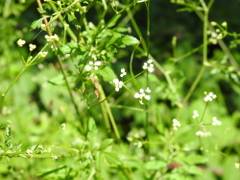
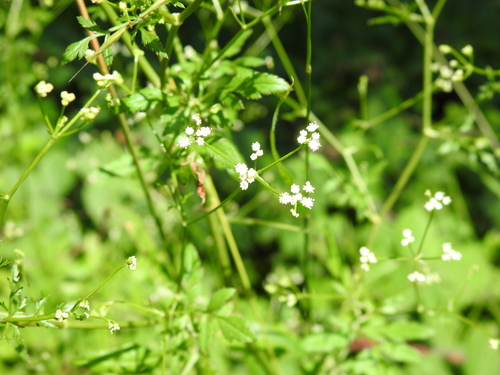
Sison is a small genus in the carrot family, containing about two species of slender biennial herbs native to Europe and western Asia. Stone parsley (Sison amomum), the better-known species, forms a basal rosette in its first year and a wiry, much-branched flowering stem 18-40 inches (45-100 cm) tall in the second. Lower leaves are pinnate with oval, toothed leaflets, while upper leaves are finely divided into narrow segments. Tiny white flowers are grouped in small, loose, irregular compound umbels 0.4-1.2 inches (1-3 cm) across, blooming in late summer. The umbels are followed by small rounded ribbed fruits. The whole plant, especially the crushed foliage and seed, gives off a strong scent likened to a mix of nutmeg and petrol. As a biennial, the plant dies after flowering and setting seed. It grows in hedgerows and on heavy soils and self-sows to maintain colonies.
Native Range
Sison is native to Europe, from Britain and the Mediterranean east to western Asia. It grows in hedgerows, woodland edges, roadside verges, and rough grassland, on damp, heavy clay soils at low elevations.Suggested Uses
Grown in wild and naturalistic plantings, hedgerow restorations, and herb collections, spaced 12-18 inches (30-45 cm) apart. The umbels are visited by small flies, beetles, and wasps. The wiry habit and strong scent leave it little used in ornamental borders.How to Identify
Appearance
Size & Dimensions
Height1'6" - 3'4"
Width/Spread8" - 1'4"
Bloom Information
Detailed Descriptions
Foliage Description
greenGrowing Conditions
Sun Requirements
Requires 4-8 hours of direct sunlight daily
• Full Sun: 6+ hours of direct sunlight
• Partial Shade: 3-6 hours of direct sunlight
• Full Shade: Less than 3 hours of direct sunlight
Care & Maintenance
Care Guide
Stone parsley grows in full sun to part shade on damp, heavy, often calcareous clay soils and tolerates the dry shade at the base of hedges once established. It is raised from seed sown fresh in fall, as the taproot resists transplanting. Growth in the first year is a low rosette, with flowering in the second. The plant self-sows to maintain colonies and can spread in rough ground. Few pests or diseases affect it.Pruning
No routine pruning is needed. Cutting back flowering stems before the seed ripens limits self-sowing. Spent biennial plants die after fruiting and are cleared.Toxicity: Not assessed
UnknownPlanting Guide
Planting Methods & Timing
Planting Method
direct sow
Plant Spacing
15 inches