Sinapis, Genus, spp., Multiple species,
- Genus
- Multiple species
mustard
Europe, the Mediterranean, North Africa, and western Asia
Overview
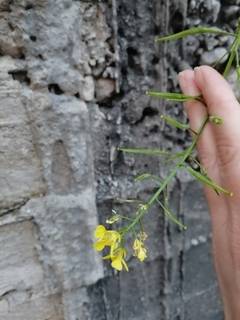
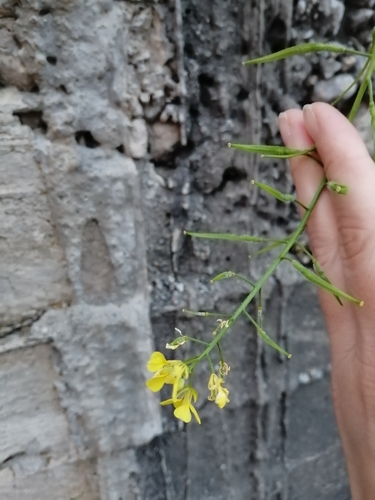
Sinapis is a genus of annual herbs in the cabbage family, with about five species native to Europe, the Mediterranean, and western Asia. White mustard (Sinapis alba) and charlock (Sinapis arvensis) are the widely known species. Plants form erect, branched, bristly stems 1-3 feet (30-90 cm) tall, occasionally taller in rich soil. Lower leaves are lobed to deeply divided and coarsely toothed, 2-8 inches (5-20 cm) long, while upper leaves are smaller and less divided. Four-petaled yellow flowers, 0.3-0.7 inch (8-18 mm) across, are carried in elongating clusters at the stem tips from spring into summer. The flowers give way to slender, beaked seed pods that hold round seeds used as the mustard of commerce and as a green manure crop. As an annual, each plant completes its life cycle in one season. S. arvensis self-sows heavily and is a persistent weed of arable land. The seeds can remain viable in soil for many years.
Native Range
Sinapis is native to Europe, the Mediterranean region, North Africa, and western Asia, growing in fields, roadsides, and other open, disturbed ground on fertile, well-drained soils. S. alba and S. arvensis have naturalized across temperate regions worldwide as crops and weeds.Suggested Uses
Sinapis alba is grown as a green manure and cover crop, for mustard seed and salad sprouts, and as a quick nectar source in field margins, sown about 1-2 inches (2.5-5 cm) apart and thinned for seed crops. The weedy, self-sowing habit of S. arvensis limits its use in cultivated beds. Flowers attract bees and hoverflies.How to Identify
Appearance
Size & Dimensions
Height1' - 3'
Width/Spread8" - 1'6"
Bloom Information
Flowering runs from spring into summer, typically April through August, and over a longer span where successive sowings occur. Each cluster lengthens as it blooms over several weeks. Seed pods ripen from early summer onward, and plants may set seed within two to three months of germination.
Detailed Descriptions
Foliage Description
greenGrowing Conditions
Sun Requirements
Requires 6-12 hours of direct sunlight daily
• Full Sun: 6+ hours of direct sunlight
• Partial Shade: 3-6 hours of direct sunlight
• Full Shade: Less than 3 hours of direct sunlight
Water & Climate
Water Needs
Care & Maintenance
Care Guide
Sinapis grows in full sun on most fertile, well-drained soils and establishes quickly from seed sown in cool conditions. Plants germinate within a week and grow rapidly, flowering in two to three months. Drought during flowering reduces seed set. White mustard is grown as a fast green manure and dug in before flowering. Flea beetles and clubroot, common in the cabbage family, can affect plants. Self-sown seed makes S. arvensis hard to clear once established.Pruning
No pruning is practiced. Cutting or digging plants in before the pods ripen prevents self-sowing and the long-lived seed bank that follows. Green manure crops are turned into the soil at or before flowering.Toxicity
Non-toxicPlanting Guide
Planting Methods & Timing
Planting Method
direct sow
Direct Sow Timing
early spring through summer
Days to Maturity
40–90 days
Plant Spacing
6 inches