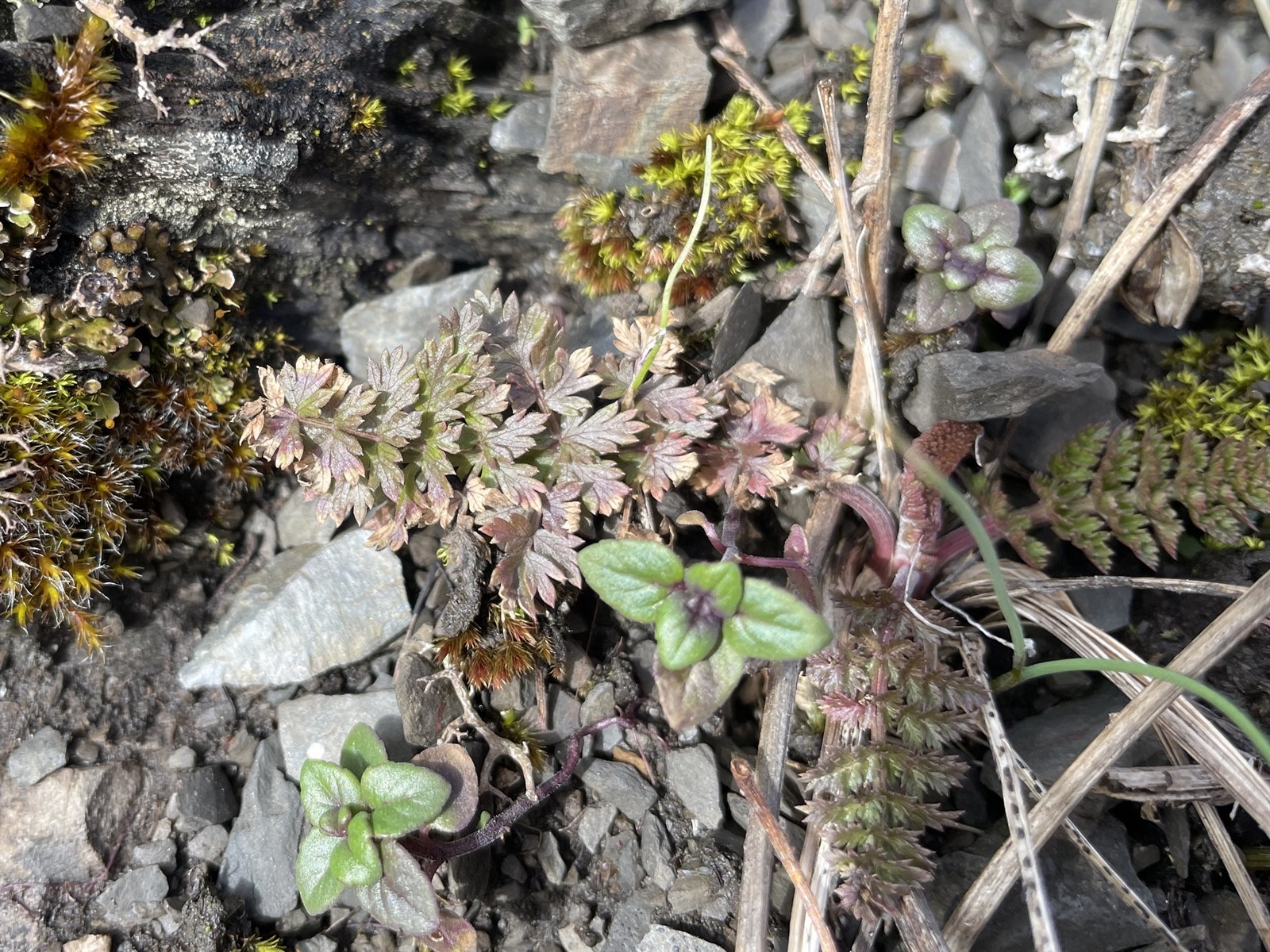
Seseli, Genus, libanotis, Species,
- Genus & species
moon carrot
Overview
Seseli libanotis is a short-lived perennial or biennial in the carrot family, forming a basal rosette in its first year and flowering stems of 24-48 inches (60-120 cm) in later years. The dark green leaves are pinnate, divided into many narrow toothed segments, forming a dense rosette 12-18 inches (30-45 cm) across. From mid- to late summer, ridged, hairy stems carry domed compound umbels 1.5-3 inches (4-8 cm) across, densely packed with tiny white to pale pink flowers. The flowers draw large numbers of bees, hoverflies, and other insects. Ribbed, hairy seeds follow, and the rosette often dies after setting seed, though some plants persist for a few years. The plant grows from a deep taproot and is hard to move once established. It self-seeds where the soil is open and well-drained.
Native Range
Native across Europe and into western and central Asia, where it grows on dry calcareous grassland, rocky slopes, and open scrub, often on chalk and limestone.Suggested Uses
Grown in wildlife and pollinator gardens, gravel gardens, dry meadows, and sunny borders, spaced 18-24 inches (45-60 cm) apart. The late-summer umbels suit naturalistic and insect-friendly plantings. Tolerates exposed, dry, and chalky sites where many perennials struggle.How to Identify
Appearance
Size & Dimensions
Height2' - 4'
Width/Spread1' - 1'6"
Bloom Information
Blooms from mid- to late summer, July to September, later than many umbellifers. Umbels remain in flower for 4-6 weeks. The flowering peak coincides with high insect activity in late summer.
Detailed Descriptions
Flower Description
White to pale pinkFoliage Description
Dark greenGrowing Conditions
Sun Requirements
Requires 6-12 hours of direct sunlight daily
• Full Sun: 6+ hours of direct sunlight
• Partial Shade: 3-6 hours of direct sunlight
• Full Shade: Less than 3 hours of direct sunlight
Care & Maintenance
Care Guide
Grows in full sun in well-drained, alkaline to neutral soil, including dry, chalky, and rocky ground. Established plants are drought-tolerant through their deep taproot but rot in wet, heavy soil over winter. The taproot makes transplanting difficult, so plants are raised from seed where they are to grow. Aphids may cluster on the stems and umbels. Little routine care is needed. Plants are short-lived but maintain themselves by self-seeding in open ground.Pruning
Leave the ribbed seed heads to self-sow and to stand through autumn, or cut the stems back after flowering to limit seeding. Remove dead growth in late winter before new leaves emerge. No other pruning is needed.Pruning Schedule
Prune: March
winterearly spring