Serratula, Genus, spp., Multiple species,
- Genus
- Multiple species
Saw-wort
Overview
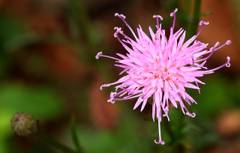
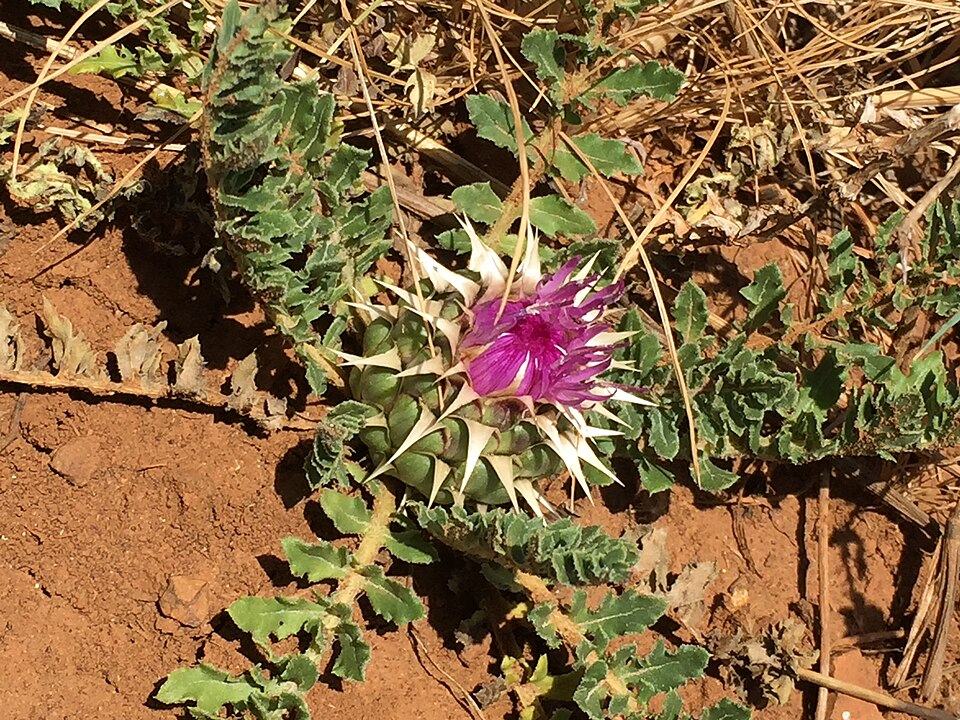
Serratula is a genus of about 60 herbaceous perennials in the daisy family (Asteraceae), native to Europe, North Africa, and temperate Asia. Plants range from dwarf forms 4-8 inches (10-20 cm) tall to upright species reaching 24-36 inches (60-90 cm), forming clumps 8-18 inches (20-45 cm) wide from a tough rootstock. The leaves are lance-shaped to deeply pinnately cut, with sharply saw-toothed margins that give the genus its name, mid- to deep green and held mostly in a basal rosette and along the stems. Thistle-like flowerheads 0.5-1.5 inches (1.5-4 cm) across appear singly or in small clusters at the stem tips, with tufted pink to red-purple disc florets above overlapping bracts; unlike true thistles the foliage carries no spines. Bloom comes in late summer and autumn, later than most knapweeds. The dwarf species spread slowly into low mats, while the taller ones stand erect without support in most soils. Foliage dies back in winter. The genus tolerates lean soils and some drought but flowers poorly in deep shade.
Native Range
Native across Europe, North Africa, and temperate Asia to Japan. Species grow in meadows, heaths, open woodland, grassland, and rocky slopes, generally on neutral to slightly acidic soils in sun or light shade.Suggested Uses
Grown in borders, gravel gardens, prairie-style plantings, and rock gardens, with dwarf forms at 8-10 inches (20-25 cm) and taller species at 18-24 inches (45-60 cm) spacing. The late flowers suit naturalistic schemes and carry color into autumn alongside grasses and asters. Compact species grow in troughs and containers with free drainage.How to Identify
Appearance
Size & Dimensions
Height4" - 3'
Width/Spread8" - 1'6"
Bloom Information
Flowers open in late summer through autumn, roughly August to October, later than most related daisies. The main flush lasts 4-6 weeks. Dwarf species such as S. seoanei hold their color into the close of the season, after many summer perennials have faded.
Detailed Descriptions
Flower Description
pink to red-purpleFoliage Description
mid- to deep greenGrowing Conditions
Sun Requirements
Requires 5-9 hours of direct sunlight daily
• Full Sun: 6+ hours of direct sunlight
• Partial Shade: 3-6 hours of direct sunlight
• Full Shade: Less than 3 hours of direct sunlight
Care & Maintenance
Care Guide
Grows in full sun to light shade in well-drained, moderately fertile soil with a pH from 5.5 to 7.5. Drought is tolerated once established, though plants flower more freely with steady summer moisture. Wet, heavy winter soil can rot the crown, so sharp drainage suits them in cold regions. Little feeding is needed, and rich soil produces leafy growth at the expense of flowers. Established clumps are long-lived and seldom need division. Few pests or diseases trouble the genus.Pruning
Spent flower stems are cut back after bloom or left standing, as the seedheads hold form into winter. Old top-growth is removed to ground level in late winter or early spring before new shoots appear. Division in spring is possible but rarely needed, as clumps stay tidy for years.Pruning Schedule
Prune: February–March
winterearly spring
Container Growing
Suitable for container growing
Minimum container size: 2 gallons