Selaginella, Genus, uliginosa, Species,
- Genus & species
swamp spikemoss
Eastern and southern Australia and New Zealand
Overview
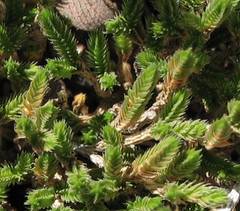
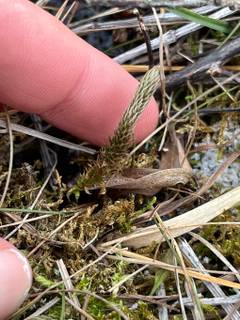
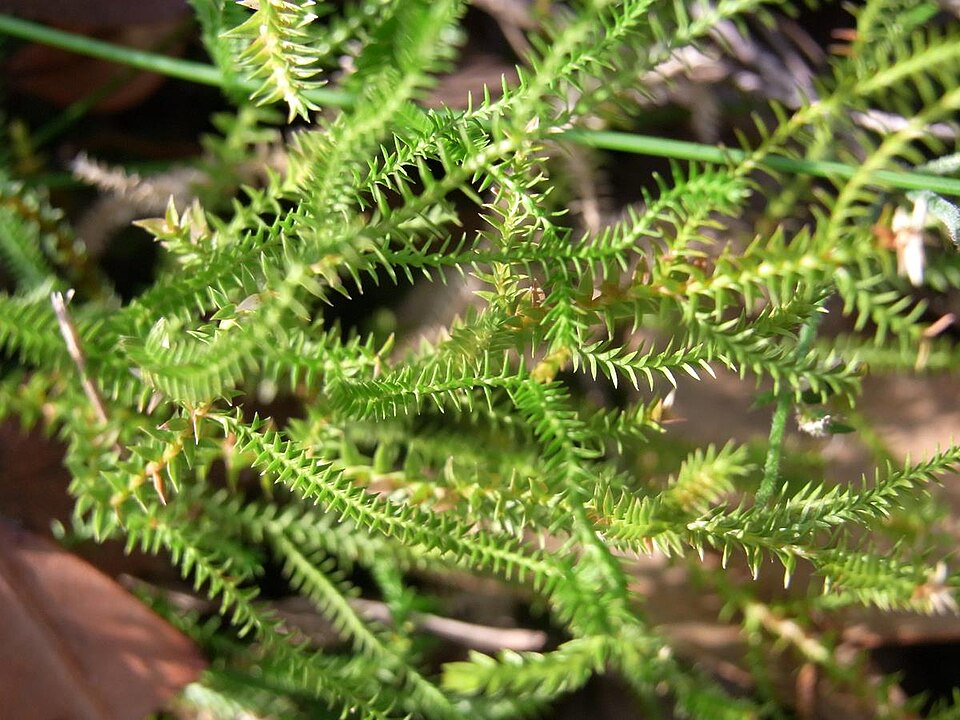
Selaginella uliginosa is a small spikemoss, a non-flowering plant related to ferns and clubmosses, forming erect, tufted shoots 2-8 inches (5-20 cm) tall. The slender stems are densely covered in small, scale-like green leaves arranged in ranks along the stem, giving a closely plaited texture. Shoots arise in tufts from a short base and may branch toward the tips. Reproduction is by spores produced in small cone-like structures (strobili) at the stem tips rather than by flowers or seed. The plant grows in permanently or seasonally wet ground such as swamp margins, wet heath, and seepage areas. It needs constant moisture and grows poorly where the soil dries out. The upright, grass-like tufts are readily overlooked among surrounding swamp plants.
Native Range
Native to eastern and southern Australia, including Queensland, New South Wales, Victoria, Tasmania, and South Australia, and also to New Zealand. Grows in swamps, wet heath, bog margins, and seepage areas on permanently or seasonally wet, peaty or sandy soils.Suggested Uses
Grown in bog gardens, pond and stream margins, and wet terrariums where the soil stays constantly moist. It suits damp, peaty plantings alongside other wetland and swamp species. It is not suited to dry or free-draining positions.How to Identify
Appearance
Size & Dimensions
Height2" - 8"
Width/Spread2" - 6"
Bloom Information
This spikemoss does not flower. It reproduces by spores produced in cone-like strobili at the stem tips, mainly through the warmer, moist months. Spore production depends on continued wet conditions.
Detailed Descriptions
Foliage Description
GreenGrowing Conditions
Sun Requirements
Requires 3-8 hours of direct sunlight daily
• Full Sun: 6+ hours of direct sunlight
• Partial Shade: 3-6 hours of direct sunlight
• Full Shade: Less than 3 hours of direct sunlight
Care & Maintenance
Care Guide
Grows in full sun to part shade in permanently or seasonally wet, peaty or sandy soils and needs constant moisture. It grows poorly or dies where the soil dries out, so it suits bog gardens, pond margins, and other wet sites. Standing water or saturated ground through the growing season supports steady growth. It is sometimes grown in wet terrariums and bog containers that hold moisture. Competing taller plants can shade out the low tufts. It has no role in dry or free-draining garden beds.Pruning
No pruning is required. Dead or browned shoots can be removed to keep the tufts tidy. Surrounding taller vegetation can be cut back to keep light reaching the low shoots.Container Growing
Suitable for container growing
Minimum container size: 1 gallons