Schizachyrium, Genus, scoparium, Species,
- Genus & species
little bluestem
North America — from southern Canada south through Mexico; the most widespread native grass in eastern North America; prairies, open woodlands, and dry roadsides
Overview
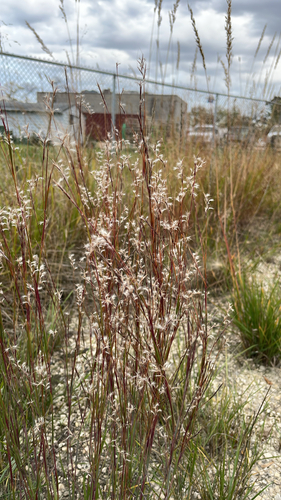
Schizachyrium scoparium is little bluestem (prairie bluestem grass), an upright warm-season bunchgrass growing 24-36 inches (60-90 cm) tall and 12-18 inches (30-45 cm) wide. Blue-green to steel-blue flat blades 0.25 inch (6 mm) wide in summer. The foliage turns orange-red to bronze-mahogany in fall — the fall color persists through winter as standing dried foliage. Silvery-white fluffy seed heads (racemes) along the upper stems in September-October, catching light. In Poaceae. C4 warm-season grass — active growth begins in late spring when soil temperatures reach 60°F (16°C). Native to North America from southern Canada to Mexico — the most widespread native grass in eastern North America. Found on prairies, open woodlands, and dry roadsides. The narrow upright clump form flops and opens in rich moist soil or shade — lean dry soil and full sun produce the tightest form. This tendency to flop in fertile conditions is the primary limitation for formal garden use. Self-sows in favorable sites. Larval host for several skipper butterflies (Lepidoptera: Hesperiidae). Tolerates a wide range of soils including clay and rocky. Deer-resistant. Drought-tolerant once established. Non-toxic. Zones 3-9. Full sun. Growth rate is moderate.
Native Range
Native to North America — from southern Canada south through Mexico. The most widespread native grass in eastern North America. Found on prairies, open woodlands, and dry roadsides.Suggested Uses
Grown in prairie restorations, meadow plantings, native gardens, mass plantings, and containers of at least 5 gallons (19 L). Fall/winter color — orange-red to bronze-mahogany. Skipper butterfly larval host. Native to North America. Deer-resistant. Non-toxic. Zones 3-9.How to Identify
Appearance
Size & Dimensions
Height2' - 3'
Width/Spread1' - 1'6"
Colors
Foliage Colors
Bloom Information
Fall (September-October). Silvery-white fluffy seed heads (racemes) along the upper stems. 6 weeks of seed head display. Wind-pollinated. The seed heads persist through winter.
Detailed Descriptions
Flower Description
Silvery-white fluffy seed heads (racemes) along the upper stems in fall, catching lightFoliage Description
Blue-green to steel-blue in summer, 0.25 inch (6 mm) wide flat blades; turns orange-red to bronze-mahogany in fall — the fall color persists through winterGrowing Conditions
Sun Requirements
Requires 6-12 hours of direct sunlight daily
• Full Sun: 6+ hours of direct sunlight
• Partial Shade: 3-6 hours of direct sunlight
• Full Shade: Less than 3 hours of direct sunlight
Care & Maintenance
Care Guide
Full sun (6+ hours). Any well-drained soil pH 5.5-8.0 — lean dry soil produces the tightest upright form. Flops in rich moist soil or shade. C4 warm-season grass — emerges late (late spring). Cut back to 4-6 inches (10-15 cm) in early spring (March). Do not cut in fall. Deer-resistant. Non-toxic. Zones 3-9.Pruning
Cut back to 4-6 inches (10-15 cm) in early spring (March) before new growth. Leave standing through fall and winter — the orange-bronze foliage and seed heads are the late-season display and winter bird cover. Do not cut in fall.Pruning Schedule
Prune: March
early spring
Container Growing
Suitable for container growing
Minimum container size: 5 gallons