Image 1 of 9
1 / 9
Plant Reference
Sarcococca, Genus, hookeriana, Species, var., Variety, humilis, Variety,
- Genus & species
- Variety
low sarcococca
Himalayas and western China; mountain forests at 4,000-9,000 feet (1,200-2,700 m)
Overview
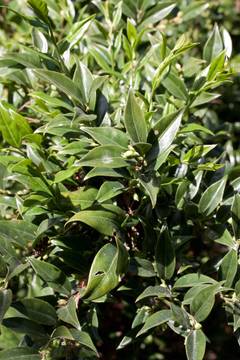
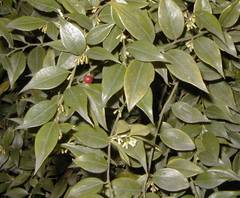
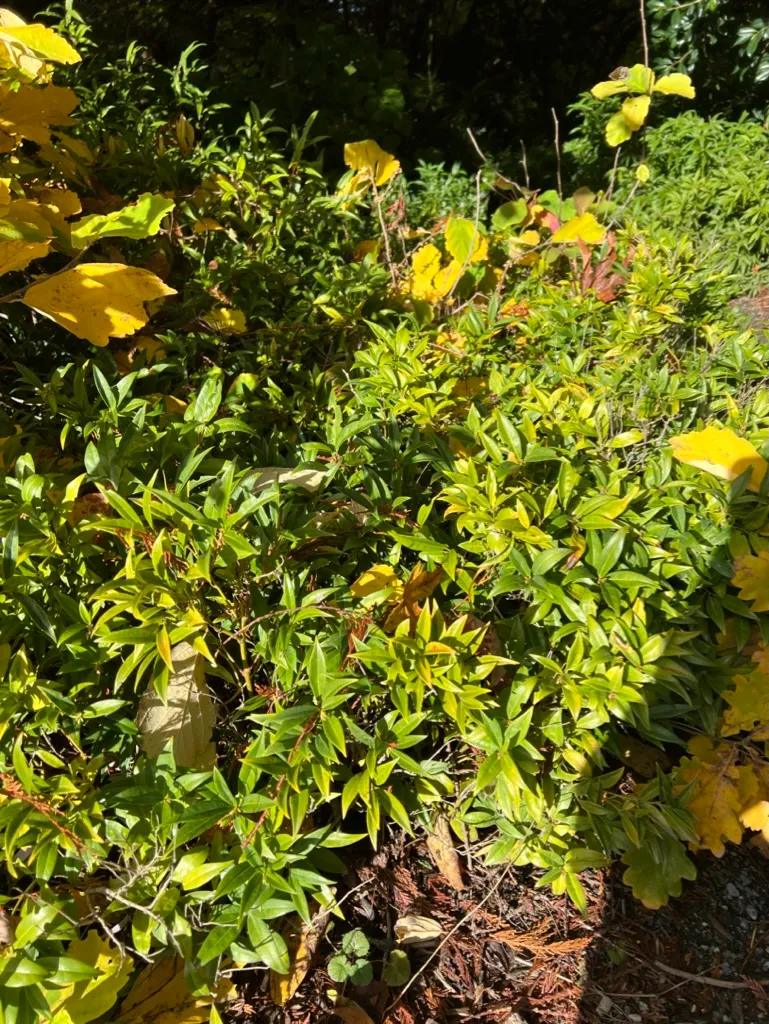
Sarcococca hookeriana var. humilis is low sarcococca (Himalayan sweet box), a low spreading evergreen shrub growing 12-24 inches (30-60 cm) tall and 24-48 inches (60-120 cm) wide. Tiny white to pinkish petal-less flowers in axillary clusters in January-March (8 weeks). Strongly fragrant (sweet, honeyed, vanilla-like). Glossy blue-black berries 0.3 inch (8 mm) in summer. Glossy dark green narrowly lance-shaped leathery leaves 2-3 inches (5-7 cm). In Buxaceae. Named for Joseph Dalton Hooker. Humilis = low. Spreads slowly by underground stolons. Hardier than S. confusa (zone 5 vs. zone 6). Narrower leaves and blue-black berries (vs. black in S. confusa). Native to the Himalayas and western China. Not drought-tolerant — consistent moisture required. This is the primary cultural limitation. Contains steroidal alkaloids — toxic. Tolerates deep shade. Deer-resistant. Zones 5-9. Part shade to full shade. Growth rate is slow.
Native Range
Native to the Himalayas and western China. Found in mountain forests at 4,000-9,000 feet (1,200-2,700 m).Suggested Uses
Grown as a low evergreen shade ground cover, near doorways and paths (for winter fragrance), and in containers of at least 5 gallons (19 L), spaced 24-48 inches (60-120 cm). Winter fragrance. Deep shade. Stoloniferous. All parts toxic. Zones 5-9.How to Identify
Appearance
Size & Dimensions
Height1' - 2'
Width/Spread2' - 4'
Bloom Information
Winter to early spring (January-March). Tiny white to pinkish petal-less flowers 0.2 inch (5 mm) in axillary clusters. Strongly fragrant (sweet, honeyed, vanilla-like). 8 weeks. Bee-visited (early winter nectar source). Glossy blue-black berries follow in summer.
Detailed Descriptions
Flower Description
White to pinkish, tiny, petal-less (white stamen filaments), 0.2 inch (5 mm), in axillary clusters; January-March; strongly fragrant (sweet, honeyed, vanilla-like — same intensity as S. confusa); followed by glossy blue-black berries 0.3 inch (8 mm) in summerFoliage Description
Glossy dark green, narrowly lance-shaped, 2-3 inches (5-7 cm), leathery, narrower than S. confusa; on slender upright stems; evergreen year-roundGrowing Conditions
Sun Requirements
Requires 2-4 hours of direct sunlight daily
• Full Sun: 6+ hours of direct sunlight
• Partial Shade: 3-6 hours of direct sunlight
• Full Shade: Less than 3 hours of direct sunlight
Care & Maintenance
Care Guide
Part shade to full shade (2-4 hours). Moist soil pH 5.0-6.5. Not drought-tolerant — consistent moisture required. Tolerates deep shade. Hardier than S. confusa (zone 5). Spreads slowly by stolons. Prune in early spring (March-April). Contains steroidal alkaloids — toxic. Deer-resistant. Zones 5-9.Pruning
Prune in early spring (March-April) after flowering to shape. Remove oldest stems at the base. Control stoloniferous spread by removing unwanted shoots. The low form requires minimal pruning.Pruning Schedule
Prune: March–April
early spring
Container Growing
Suitable for container growing
Minimum container size: 5 gallons