Image 1 of 24
1 / 24
Plant Reference
Sambucus, Genus, spp., Multiple species,
- Genus
- Multiple species
elderberry
Northern Hemisphere — multiple species; {S. nigra} native to Europe and western Asia; {S. canadensis} native to eastern North America; {S. cerulea} (blue elderberry) and {S. racemosa} (red elderberry) native to the Pacific Northwest
Overview
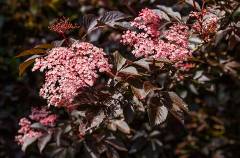
Sambucus spp. is elderberry (elder), an upright deciduous shrub growing 6-20 feet (1.8-6 m) tall and 6-12 feet (1.8-3.6 m) wide. Large flat-topped compound flower cymes 6-10 inches (15-25 cm) of creamy-white tiny flowers in June-July. Moderately fragrant. Dark purple-black berries 0.2 inch (5 mm) in drooping clusters ripen August-September. Medium to dark green opposite pinnately compound leaves with 5-7 serrated leaflets each 2-6 inches (5-15 cm). Purple-leaved ornamental cultivars ('Black Lace', 'Black Beauty') have deeply dissected dark purple foliage with pink flower clusters. In Adoxaceae. Genus-level record covering S. nigra (European), S. canadensis (American), S. cerulea (blue), and S. racemosa (red). Raw berries, leaves, stems, and bark contain cyanogenic glycosides — raw berries cause nausea. Cooked berries are used for wine, syrup, jam, and pies. The flower clusters are harvested for elderflower cordial, fritters, and tea. This raw toxicity is the primary safety limitation. Suckers from the base and can spread to form thickets. Fast-growing but coarse-textured and open-habited — the leggy open structure is the primary aesthetic limitation. Deer-resistant. Drought-tolerant once established. Zones 3-9. Full sun to partial shade. Growth rate is very fast.
Native Range
S. nigra native to Europe and western Asia. S. canadensis native to eastern North America. S. cerulea (blue elderberry) and S. racemosa (red elderberry) native to the Pacific Northwest.Suggested Uses
Grown for edible berries and elderflower harvest, as a wildlife habitat shrub, and as an ornamental (purple-leaved cultivars) spaced 6-12 feet (1.8-3.6 m) and in containers of at least 15 gallons (57 L). Raw berries toxic — cook before consuming. Suckers to form thickets. Native species for North American gardens. Deer-resistant. Zones 3-9.How to Identify
Appearance
Size & Dimensions
Height6' - 20'
Width/Spread6' - 12'
Bloom Information
Early to midsummer (June-July). Creamy-white tiny flowers in large flat-topped compound cymes 6-10 inches (15-25 cm). Moderately fragrant. 4 weeks of bloom. Bee- and butterfly-visited. Dark purple-black berries ripen August-September.
Detailed Descriptions
Flower Description
Creamy-white, tiny, in large flat-topped compound cymes (corymbs) 6-10 inches (15-25 cm) across; pink-tinged in purple-leaved cultivarsFoliage Description
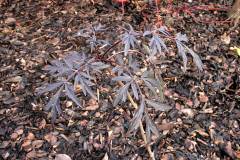
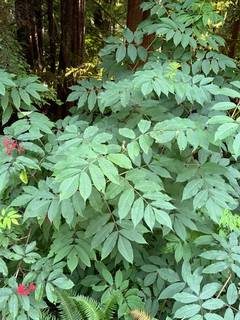
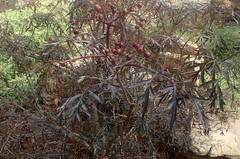
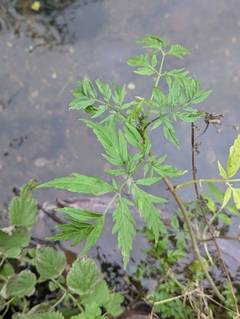
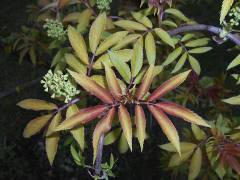
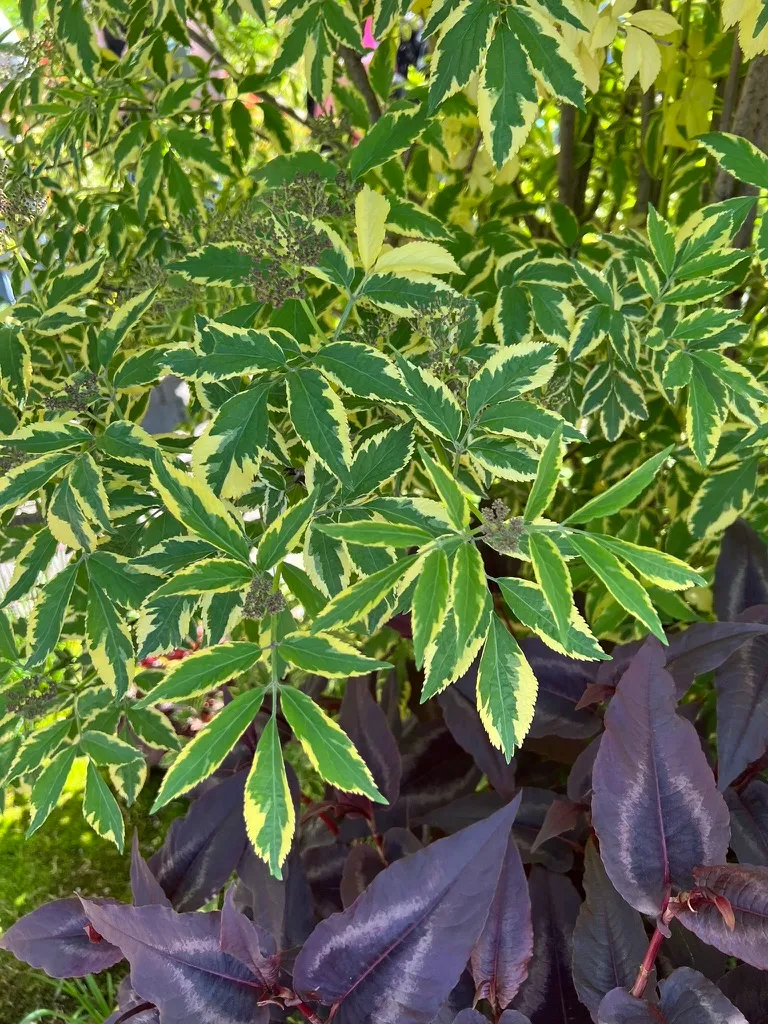
Medium to dark green, opposite, pinnately compound with 5-7 serrated leaflets each 2-6 inches (5-15 cm); purple-leaved ornamental cultivars ('Black Lace', 'Black Beauty') have deeply dissected dark purple foliageGrowing Conditions
Sun Requirements
Requires 4-12 hours of direct sunlight daily
• Full Sun: 6+ hours of direct sunlight
• Partial Shade: 3-6 hours of direct sunlight
• Full Shade: Less than 3 hours of direct sunlight
Care & Maintenance
Care Guide
Full sun to partial shade (4-12 hours). Moist soil pH 5.5-7.5. Drought-tolerant once established. Suckers from the base — remove unwanted suckers. Raw berries, leaves, and stems are toxic (cyanogenic glycosides) — cook berries before consuming. Purple-leaved cultivars require full sun for dark coloring. Prune in late winter (February-March). Deer-resistant. Zones 3-9.Pruning
Prune in late winter (February-March). Blooms on new (current season's) wood. Can be coppiced (cut to 6-12 inches / 15-30 cm) annually for vigorous compact regrowth with larger flower clusters and berry crops. Remove 1/3 of the oldest canes at ground level annually without coppicing. Remove unwanted root suckers.Pruning Schedule
Prune: February–March
early spring
Container Growing
Suitable for container growing
Minimum container size: 15 gallons