Image 1 of 2
1 / 2
© Harry Rose from South West Rocks, Australia, some rights reserved (CC-BY) · Wikimedia Commons
Romulea, Genus, spp., Multiple species,
- Genus
- Multiple species
Froetangs
Overview
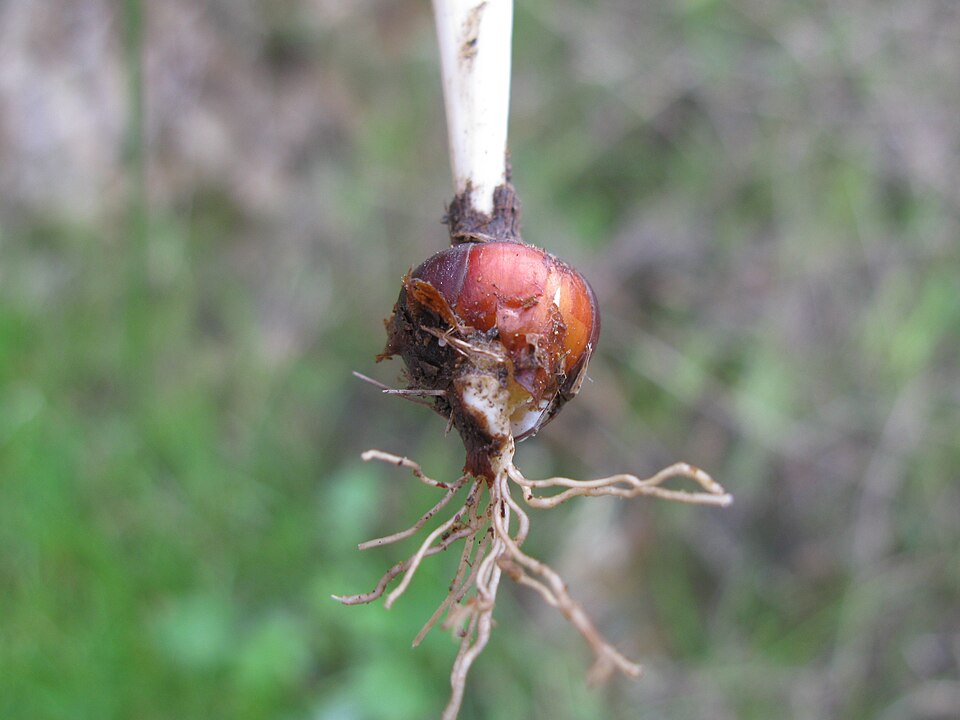
Romulea is a genus of about 95 cormous perennials in the iris family (Iridaceae), centered on the winter-rainfall Cape of South Africa, with a second group of species around the Mediterranean and into Europe and western Asia. The plants grow from a small corm and produce a few narrow, grass-like leaves and short stalks bearing crocus-like flowers 0.5-1.5 inches (1-4 cm) across. The flowers are funnel- or star-shaped, in pink, purple, magenta, yellow, cream, or white, very often with a contrasting yellow or green throat, and they open only in bright sun and close in dull weather and at night. Most species follow a Mediterranean rhythm, sprouting and flowering in the cool, moist season and resting as dormant corms through a dry summer. Plants are small and need an open, sunny position to be seen, as the flowers close and disappear among grass in cloudy weather. Many Cape species are frost-tender, while Mediterranean species tolerate light frost. A few, such as R. rosea, have naturalized as troublesome weeds of lawns and pasture in Australia, where the corms can poison grazing stock.
Native Range
Native to South Africa, especially the winter-rainfall Cape, and to the Mediterranean basin, extending into southern Europe, North Africa, and western Asia, on sandy flats, rocky slopes, and seasonal grassland.Suggested Uses
Grown in rock gardens, raised beds, troughs, and bulb frames where their small flowers can be seen at close range. In frost-free, summer-dry climates they naturalize in lean, sunny turf and gravel. The genus is collected by bulb enthusiasts for its range of jewel-toned spring flowers.How to Identify
Appearance
Size & Dimensions
Height2" - 8"
Width/Spread2" - 6"
Bloom Information
Detailed Descriptions
Flower Description
pink, purple, yellow, or white with a yellow throatFoliage Description
greenGrowing Conditions
Sun Requirements
Requires 6-12 hours of direct sunlight daily
• Full Sun: 6+ hours of direct sunlight
• Partial Shade: 3-6 hours of direct sunlight
• Full Shade: Less than 3 hours of direct sunlight
Care & Maintenance
Care Guide
Grows in full sun on sharply drained sandy or gravelly soil with a pH near 5.5-7.5. Plants are watered through autumn and winter growth and kept dry once the leaves yellow and the corms go dormant in summer. An open, sunny spot is needed for the flowers to open and show well. Cape species need frost protection, while Mediterranean species tolerate light frost in the open ground. Corms multiply by offsets and self-sown seed, and some species spread freely enough to become weedy. Lifting and dividing is done during summer dormancy.Pruning
Spent flower stalks are removed after blooming if seed is not wanted, as some species self-sow aggressively. The leaves are left to die back naturally to feed the corm. No other pruning is needed.Pruning Schedule
Prune: April–May
late spring
Container Growing
Suitable for container growing
Minimum container size: 1 gallons
