Rhizomnium, Genus, spp., Multiple species,
- Genus
- Multiple species
rhizomnium mosses
SunFull Shade – Part Shade
WaterHigh
Overview
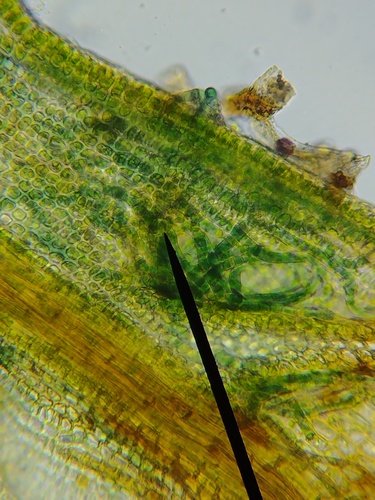
Rhizomnium is a genus of mosses in the family Mniaceae, growing on damp humus, rotting wood, soil, and rock in cool, shaded, humid forests of the Northern Hemisphere. The plants form loose turfs of upright shoots 0.4-3 inches (1-8 cm) tall, clothed in rounded to oval leaves that are large for a moss and edged with a clear border of narrow cells. The leaves are deep green and somewhat translucent, spreading flat when moist and becoming wrinkled when dry; the lower stems are often densely covered with reddish-brown rhizoids, which give the genus its name. Rhizomnium grows in damp woodland, on logs, stream banks, and shaded humus, favouring constant moisture and shade. Female and male plants are separate, and spore capsules hang on slender stalks, though many colonies spread mainly by creeping underground stems and rhizoid-borne growths. The broad, bordered, translucent leaves make the genus easy to spot among woodland mosses. It is sensitive to drying and to loss of woodland cover, so it indicates moist, shaded, relatively undisturbed habitats.
Native Range
Rhizomnium occurs across the Northern Hemisphere in North America, Europe, and Asia, growing on damp humus, rotting wood, soil, and rock in cool, shaded, humid forests, on logs, and along stream banks. It favours constantly moist, shaded ground.Suggested Uses
Rhizomnium is grown in shaded terraria, vivaria, and moss gardens on damp wood and humus for broad-leaved green cover. It indicates moist, shaded, relatively undisturbed woodland and is used in bryophyte study. The large, bordered leaves make it a clear teaching example of moss structure.How to Identify
Appearance
Colors
Foliage Colors
Bloom Information
Mosses do not flower. Rhizomnium reproduces by spores from capsules that hang on slender stalks, with male and female structures on separate plants. Many colonies spread mainly by creeping underground stems and rhizoid-borne shoots rather than by spores.
Growing Conditions
Sun Requirements
• Full Sun: 6+ hours of direct sunlight
• Partial Shade: 3-6 hours of direct sunlight
• Full Shade: Less than 3 hours of direct sunlight
Water & Climate
Water Needs
