Rhexia, Genus, virginica, Species,
- Genus & species
Virginia meadowbeauty
Overview
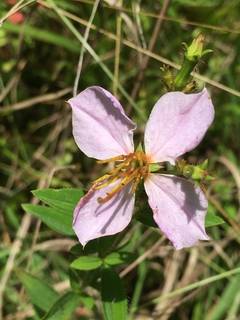
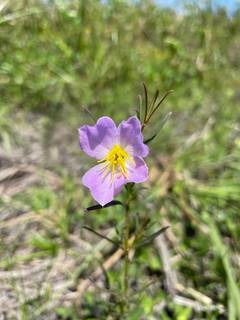
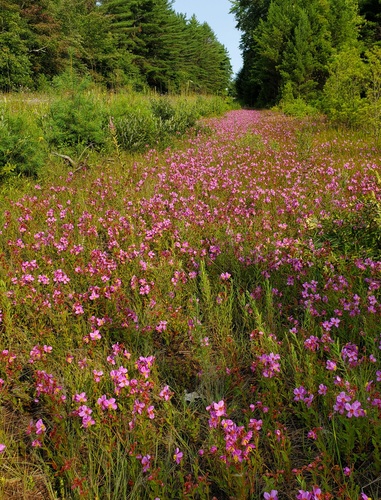
Rhexia virginica is an upright herbaceous perennial reaching 12-24 inches (30-60 cm) tall and 12-18 inches (30-45 cm) wide, spreading slowly by tubers and short rhizomes into colonies. The stems are square in cross-section with narrow wings along the angles, and they carry opposite, oval, bristly-edged leaves 1-2.5 inches (2.5-6 cm) long with three main veins. From early summer into early fall it bears flowers about 1-1.5 inches (2.5-4 cm) across with four bright rose-pink to magenta petals and eight curved, bright yellow anthers. The fruit is an urn-shaped capsule that resembles a small pitcher. It grows in bogs, wet meadows, ditches, pond margins, and damp sandy or peaty ground across eastern North America. The species needs consistently moist to wet, acidic soil and full sun; it does poorly in dry or limy ground, which limits its use in standard borders. Individual flowers last a day, dropping their petals by afternoon.
Native Range
Rhexia virginica is native to eastern North America, from Nova Scotia and Ontario south to Florida and west to Texas. It grows in bogs, wet meadows, ditches, pond margins, and moist sandy or peaty soils.Suggested Uses
Used in bog gardens, rain gardens, pond and stream margins, and naturalized wet meadows. It suits acidic, consistently wet sites where many perennials fail. Spaced 12-18 inches (30-45 cm) apart in groups or drifts.How to Identify
Appearance
Size & Dimensions
Height1' - 2'
Width/Spread1' - 1'6"
Bloom Information
Flowering runs from early summer into early fall, roughly June through September. Each flower opens for a single day and sheds its petals by afternoon, with new buds opening in succession. The display continues over many weeks on established clumps.
Detailed Descriptions
Flower Description
pink to magentaFoliage Description
greenGrowing Conditions
Sun Requirements
Requires 6-8 hours of direct sunlight daily
• Full Sun: 6+ hours of direct sunlight
• Partial Shade: 3-6 hours of direct sunlight
• Full Shade: Less than 3 hours of direct sunlight
Care & Maintenance
Care Guide
Grow in full sun to light shade in consistently moist to wet, acidic, sandy or peaty soil. This species suits bog gardens and pond margins and tolerates standing water for short spells. Dry soil and alkaline ground cause weak growth and decline. No fertilizer is needed in its native lean wet soils. It is hardy in USDA zones 5-9 and dies back to tubers over winter. Plants spread slowly into colonies where the ground stays wet.Pruning
Cut the dead stems to the ground in late winter or early spring before new growth begins. No other pruning is needed. Dividing the tubers in spring controls the spread or propagates the plant.Pruning Schedule
Prune: March
early spring
Container Growing
Suitable for container growing
Minimum container size: 2 gallons