Image 1 of 4
1 / 4
Plant Reference
Rhaphiolepis, Genus, umbellata, Species, 'Minor', Cultivar,
- Genus & species
- Cultivar
rhaphiolepis
Species native to Japan and southern Korea; cultivar of garden origin
Overview
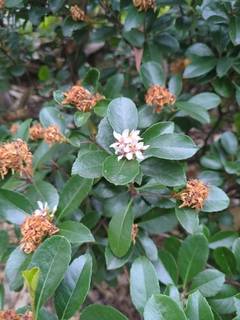
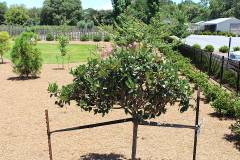
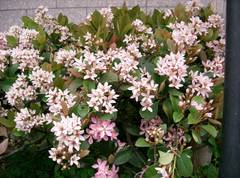
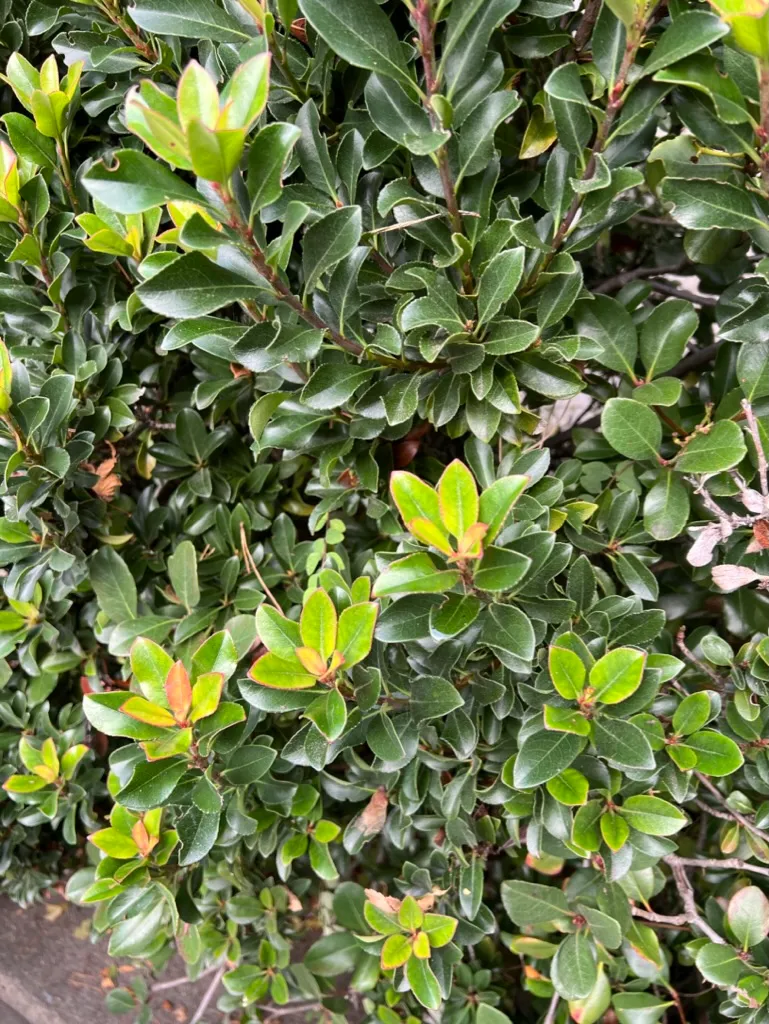
Rhaphiolepis umbellata 'Minor' is dwarf Yedda hawthorn (dwarf Indian hawthorn), a compact mounding evergreen shrub growing 2-3 feet (0.6-0.9 m) tall and 3-4 feet (0.9-1.2 m) wide. White lightly fragrant flowers 0.5-0.75 inch (1.3-2 cm) in terminal panicles 2-3 inches (5-7 cm) in April-May (4 weeks). Blue-black berries 0.3 inch (8 mm) persisting through winter. Glossy dark green rounded leathery leaves 1.5-3 inches (4-7 cm) with bronze new growth. In Rosaceae. 'Minor' is a dwarf selection — 2-3 feet (0.6-0.9 m) vs. 4-6 feet (1.2-1.8 m) for the species. Susceptible to Entomosporium leaf spot (same disease as Photinia × fraseri) — circular red-brown spots in humid conditions. This Entomosporium susceptibility is the primary disease limitation. Tolerates salt spray, heat, and drought. Hardy to about 15°F (-9°C). Non-toxic. Deer-resistant. Zones 8-10. Full sun. Growth rate is slow.
Native Range
Species native to Japan and southern Korea. Cultivar of garden origin.Suggested Uses
Grown as a low evergreen border, foundation planting, and in containers of at least 5 gallons (19 L), spaced 3-4 feet (0.9-1.2 m). Compact dwarf. Salt-tolerant. Monitor for Entomosporium. Non-toxic. Zones 8-10.How to Identify
Appearance
Size & Dimensions
Height2' - 3'
Width/Spread3' - 4'
Bloom Information
Mid to late spring (April-May). White 5-petaled flowers 0.5-0.75 inch (1.3-2 cm) in terminal panicles 2-3 inches (5-7 cm). Lightly fragrant. 4 weeks. Bee- and butterfly-visited. Blue-black berries follow into winter.
Detailed Descriptions
Flower Description
White, 5-petaled, 0.5-0.75 inch (1.3-2 cm), in terminal panicles 2-3 inches (5-7 cm); April-May; lightly fragrant; followed by blue-black berries 0.3 inch (8 mm) persisting through winterFoliage Description
Glossy dark green, rounded to obovate, 1.5-3 inches (4-7 cm), leathery, thick; bronze-tinted new growth; evergreen year-roundGrowing Conditions
Sun Requirements
Requires 6-10 hours of direct sunlight daily
• Full Sun: 6+ hours of direct sunlight
• Partial Shade: 3-6 hours of direct sunlight
• Full Shade: Less than 3 hours of direct sunlight
Care & Maintenance
Care Guide
Full sun (6-10 hours). Well-drained soil pH 5.5-7.5. Tolerates salt spray, heat, and drought. Susceptible to Entomosporium leaf spot — avoid overhead irrigation, improve air circulation. Hardy to 15°F (-9°C). Prune after flowering (May-June). Non-toxic. Deer-resistant. Zones 8-10.Pruning
Prune after flowering (May-June) to shape if needed. The compact mounding habit requires minimal pruning. Remove Entomosporium-infected leaves and stems.Pruning Schedule
Prune: May–June
late spring
Container Growing
Suitable for container growing
Minimum container size: 5 gallons