Syagrus, Genus, romanzoffiana, Species,
- Genus & species
queen palm
Southern Brazil, Argentina, Paraguay, Uruguay
Overview
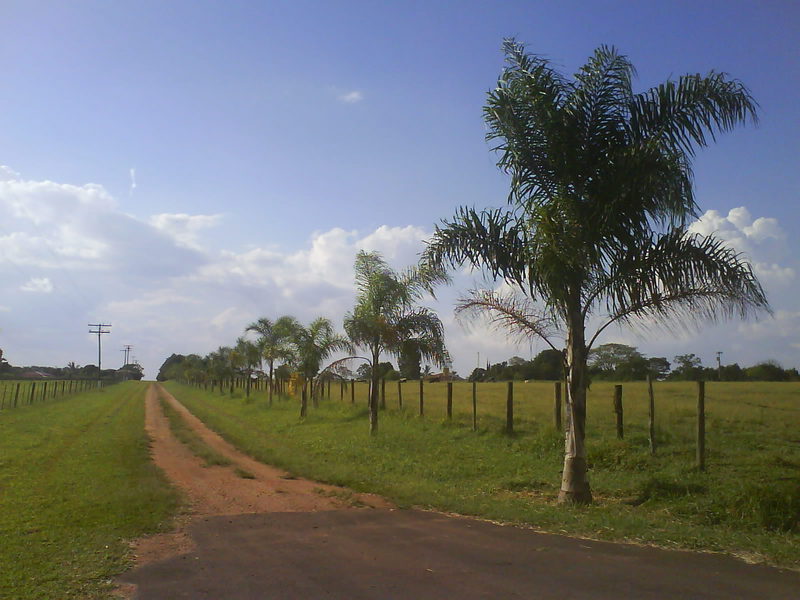
Syagrus romanzoffiana is the queen palm, growing 300-600 inches (750-1,500 cm) tall with a single smooth gray trunk 12-18 inches (30-45 cm) in diameter. Pinnate fronds 96-180 inches (240-450 cm) with drooping leaflets that create a soft, feathery appearance — the drooping leaflet habit distinguishes it from the stiff-leaved Phoenix palms. Among the more frequently planted palms in Southern California and Florida suburban landscapes due to the fast growth rate (24-36 inches / 60-90 cm per year) and the relatively low cost. Cream to yellow flowers in large branched inflorescences 36-48 inches (90-120 cm). Orange fruit 1 inch (2.5 cm) in dense hanging clusters — the fruit drops heavily and creates a mess on surfaces below, staining hardscapes and attracting rats. Not self-cleaning: dead fronds hang on the trunk and require manual removal (unlike Adonidia merrillii, which self-cleans). Manganese deficiency is the primary nutritional problem in alkaline soils (pH above 7.5) — symptoms include frizzled, yellowed new fronds ('frizzle-top'); untreated, the deficiency kills the palm. Native to southern Brazil, Argentina, Paraguay, and Uruguay. Hardy to 25°F (-4°C). Full sun (8+ hours). Drought-tolerant once established. Ganoderma butt rot (Ganoderma zonatum) — a lethal fungal disease with no cure. Non-toxic. Zones 9-11.
Native Range
Native to southern Brazil, Argentina, Paraguay, and Uruguay, growing in subtropical forests and open areas.Suggested Uses
Grown as a landscape palm in zones 9-11 with space for the 120-240 inch (300-600 cm) frond spread. Full sun. Fast-growing. Sited away from hardscapes (heavy fruit drop stains). Manganese supplementation needed in alkaline soils. Non-toxic.How to Identify
Appearance
Size & Dimensions
Height25' - 50'
Width/Spread10' - 20'
Bloom Information
Detailed Descriptions
Flower Description
Cream to yellow, in large branched inflorescencesFoliage Description
Dark green, pinnate fronds with drooping leafletsGrowing Conditions
Sun Requirements
Requires 8-10 hours of direct sunlight daily
• Full Sun: 6+ hours of direct sunlight
• Partial Shade: 3-6 hours of direct sunlight
• Full Shade: Less than 3 hours of direct sunlight