Pulvigera, Genus, spp., Multiple species,
- Genus
- Multiple species
bristle mosses
SunPart Shade – Full Shade
WaterMedium
Overview
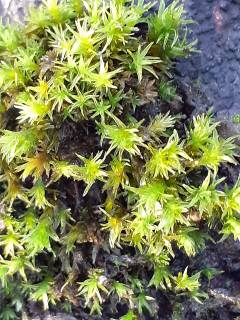
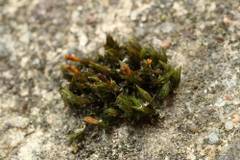
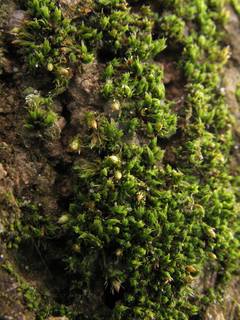
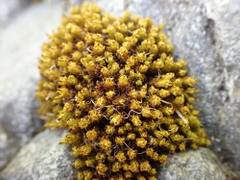
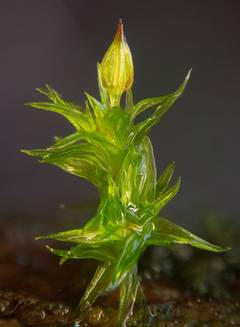
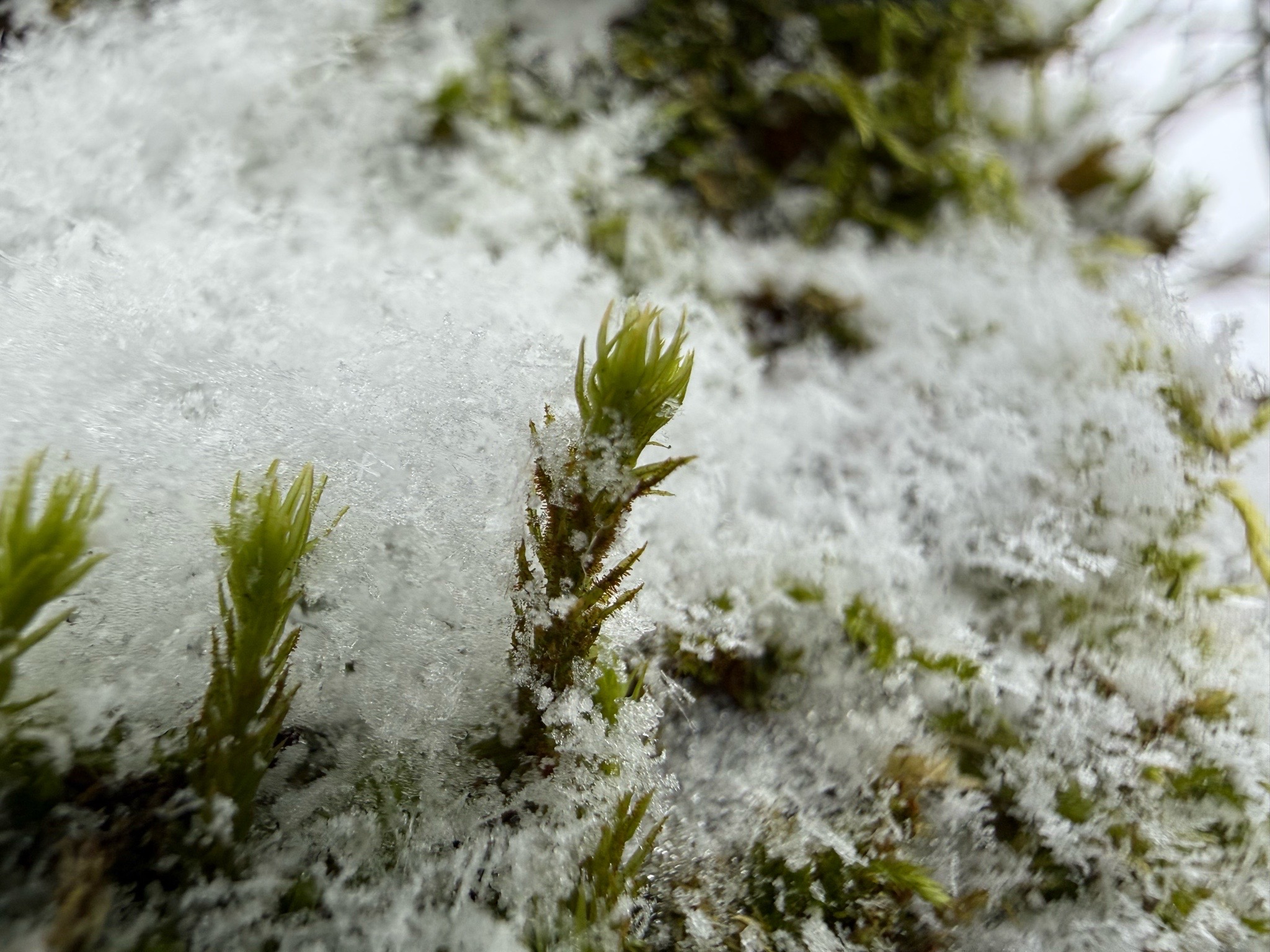
Pulvigera is a small genus of epiphytic mosses in the family Orthotrichaceae, segregated from Orthotrichum and growing in tufts on tree bark. Plants form loose to dense cushions 0.4-3 inches (1-8 cm) across and 0.4-1.6 inches (1-4 cm) tall, with erect, sparingly branched stems clothed in narrow leaves. The leaves are lance-shaped, 0.1-0.2 inch (2.5-5 mm) long, spreading when moist and twisting or pressed to the stem when dry, dark green to olive and browning below. These are non-vascular plants with no roots, flowers, seeds, or wood; rhizoids attach the stems to bark. Spore capsules are held on short stalks among or just above the leaves, ribbed and narrowing toward the mouth, ripening to release spores through a toothed opening. Within the family the genus is separated by features of the capsule surface and the leaf cells. Plants grow slowly, expanding the cushion by a few millimeters each year. Foliage shrinks and darkens during dry spells and rehydrates within minutes of wetting. Across the genus, the few species grow chiefly on the bark of broadleaved trees in temperate, humid regions of the Northern Hemisphere, with P. lyallii recorded most often.
Native Range
The genus Pulvigera occurs in temperate, humid regions of the Northern Hemisphere, including western North America and parts of Europe. Plants grow as epiphytes on the bark of broadleaved trees, and occasionally on shaded rock, in areas with reliable rainfall or fog. P. lyallii is widespread in the Pacific Northwest of North America, on trunks and branches in lowland and montane forest.Suggested Uses
Grown on bark, branches, and shaded rock in terrariums, moss gardens, and bryophyte displays where humidity stays high. Used by ecologists as an indicator of air quality because of its sensitivity to pollution. Outside such settings the genus appears as a natural epiphyte rather than a planted feature.How to Identify
Appearance
Colors
Fall Foliage Colors
Reproduction
Pulvigera reproduces by spores rather than flowers. Spore capsules develop over autumn and winter and release spores in spring as they dry and open. Reproduction depends on moisture, and capsule production varies from year to year with rainfall.
Detailed Descriptions
Foliage Description
dark green to olive, browning belowGrowing Conditions
Sun Requirements
Tolerates up to 4 hours of direct sunlight daily
• Full Sun: 6+ hours of direct sunlight
• Partial Shade: 3-6 hours of direct sunlight
• Full Shade: Less than 3 hours of direct sunlight
Water & Climate
Water Needs
Care & Maintenance
Care Guide
Grows on tree bark and shaded rock in cool, humid, well-lit but not sunny positions; the cushions dry and shrink in drought and revive when rewetted. Growth depends on clean, moist air, and the genus is sensitive to air pollution, declining where sulphur dioxide is high. In cultivation on bark or in terrariums, low-mineral water and humidity above 70 percent keep the cushions green. Direct midday sun bleaches and kills the foliage. Establishment from spores or transplanted tufts is slow, adding only a few millimeters of cover per year. No feeding or soil is involved, as the plants draw moisture and nutrients from rain and bark.Pruning
No pruning applies, as Pulvigera grows only a few millimeters a year and has no woody parts. Unwanted cushions are peeled from the bark by hand. Drying of the surface halts spread, since the moss needs moisture to grow.Container Growing
Suitable for container growing