Pseudisothecium, Genus, myosuroides, Species,
- Genus & species
mouse-tail moss
Europe, North America, North Africa, and Asia
SunPart Shade – Full Shade
WaterHigh
Overview
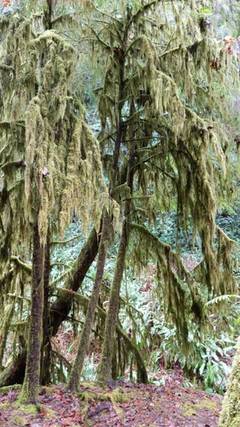
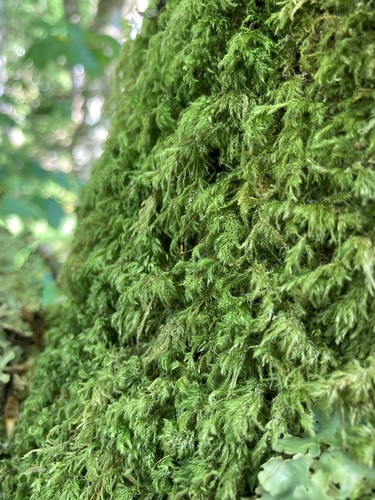
Pseudisothecium myosuroides is a tufted pleurocarpous moss that grows in dense, dark green to yellow-green patches on the bases of trees, on rotting wood, shaded rocks, and walls in damp woodland. Short creeping stems anchor to the surface and send up crowded, erect to arching secondary stems 2-6 cm (0.8-2.4 in) tall that taper toward the tip and branch in a slightly tree-like or tail-shaped way, the habit behind the common name mouse-tail moss. The small leaves are egg-shaped and narrow to a slender point, with a single midrib reaching most of the way up, and they curve to one side when dry. Curved, cylindrical spore capsules sit on reddish stalks 1-2 cm (0.4-0.8 in) tall. It favours humid, shaded woodland and thins on exposed, sun-baked, or polluted surfaces. The wefts trap moisture and litter, building slowly over many years.
Native Range
Pseudisothecium myosuroides occurs across Europe, and in parts of North America, North Africa, and Asia, in humid temperate woodland and on rocky ground. It is most frequent in regions with high rainfall and clean air, on shaded acidic to neutral surfaces.Suggested Uses
Used in shaded moss gardens, on logs, tree bases, and rockwork, and in woodland-style and terrarium plantings that stay humid. It clothes shaded, acidic surfaces in damp settings. Its need for shade, humidity, and clean air limits it to sheltered woodland conditions.How to Identify
Appearance
Colors
Foliage Colors
Bloom Information
Mosses do not flower. Pseudisothecium myosuroides reproduces by spores from curved capsules that mature mostly in autumn and winter (September to February), where they form at all. It spreads more often by creeping stems and detached fragments rooting on damp surfaces.
Detailed Descriptions
Foliage Description
dark green to yellow-greenGrowing Conditions
Sun Requirements
Tolerates up to 4 hours of direct sunlight daily
• Full Sun: 6+ hours of direct sunlight
• Partial Shade: 3-6 hours of direct sunlight
• Full Shade: Less than 3 hours of direct sunlight
Water & Climate
Water Needs
Care & Maintenance
Care Guide
Pseudisothecium myosuroides grows in part to full shade on damp, acidic to neutral surfaces such as tree bases, dead wood, and rock in humid woodland. It has no true roots, drawing water over its whole surface, so it depends on shade, shelter, and steady humidity rather than soil. It tolerates a pH from about 4.5 to 6.5 and is intolerant of drying winds and direct sun. Established wefts survive short dry spells and revive when rewetted but thin out in polluted or exposed sites. No feeding or watering is needed in a suitable spot. It is propagated by pressing fragments onto damp bark or stone in shade.Pruning
No pruning is needed. Patches can be lifted and pressed onto damp, shaded bark or rock to spread them. Fallen leaves and debris are cleared gently to keep the tufts from being smothered.Container Growing
Suitable for container growing
Minimum container size: 1 gallons