Portulacaria, Genus, afra, Species,
- Genus & species
jade plant
Eastern Cape and Limpopo provinces of South Africa, Mozambique, Eswatini
Overview
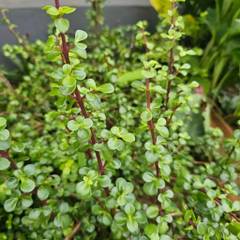
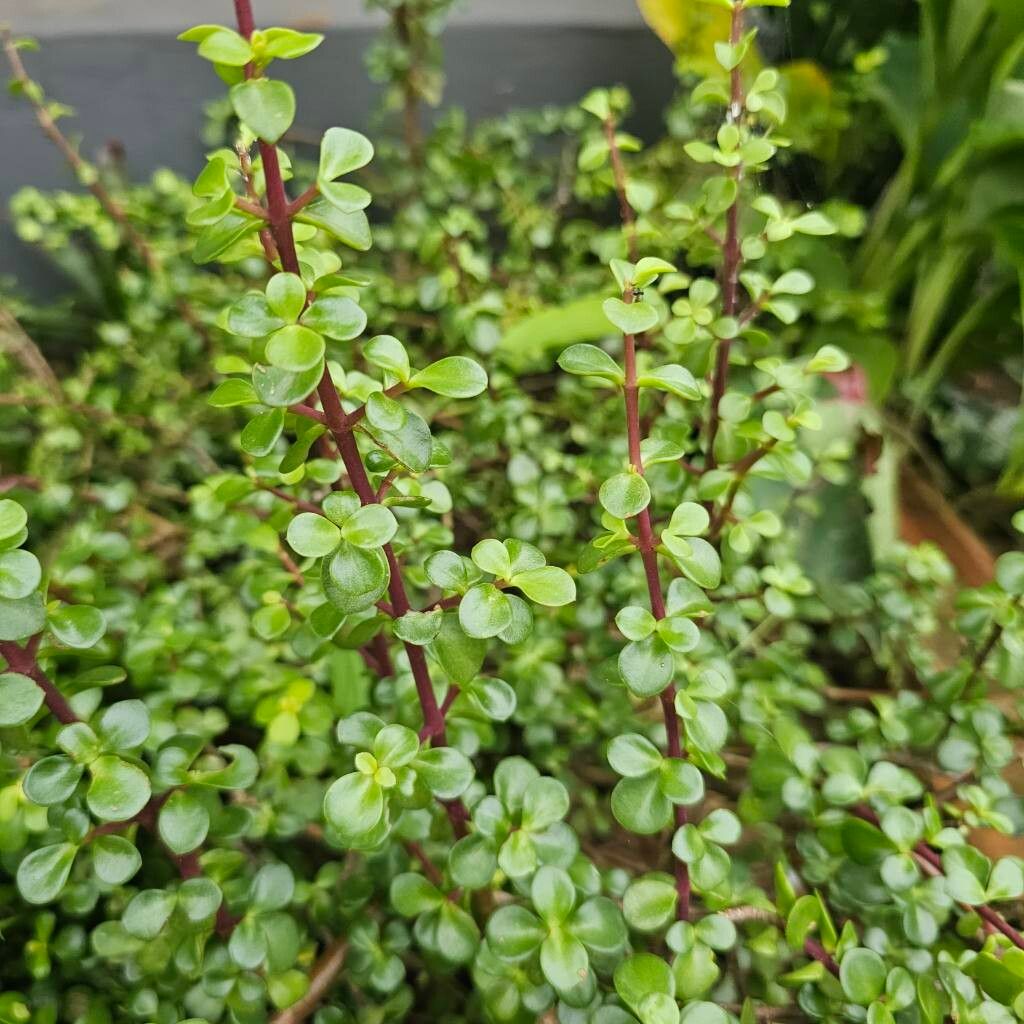
Portulacaria afra is an evergreen succulent shrub or small tree in the family (Didiereaceae), reaching 96-180 inches (240-450 cm) tall and 60-120 inches (150-300 cm) wide in habitat, and routinely held to 12-72 inches (30-180 cm) in cultivation. Branches are reddish-brown, smooth, and somewhat trailing on mature plants; leaves are obovate, fleshy, glossy green, 0.5-1 inch (1.25-2.5 cm) long, arranged in opposite pairs. Small pink to lavender star-shaped flowers 0.25 inch (6 mm) across form in clusters at branch tips after extended dry periods, mainly in late spring; flowering is uncommon on indoor and container specimens. Native to the Eastern Cape of South Africa, where it forms dense thickets on rocky slopes and is a primary browse plant for African elephants, rock hyrax, and tortoises. Used in large-scale restoration projects in South Africa for carbon sequestration; planted thickets fix 4-10 metric tons of CO2 per hectare per year. Hardy outdoors in zones 9-11; foliage damage below 30°F (-1°C) and root death below 25°F (-4°C). Edible leaves have a tart, lemony flavor and are used in salads and stews in southern African cuisine. Non-toxic to humans, dogs, and cats. Often confused with Crassula ovata, the true jade plant, which has thicker rounded leaves, white flowers, and a whorled (rather than opposite) leaf arrangement.
Native Range
P. afra is native to the Eastern Cape and Limpopo provinces of South Africa, southern Mozambique, and Eswatini, where it occurs in semi-arid succulent thicket vegetation on rocky slopes from sea level to 4,500 feet (1,400 m) elevation.Suggested Uses
Grown as a hedge or specimen at 36-72 inch (90-180 cm) spacing in zones 9-11, as a bonsai subject in any zone, and as a long-lived indoor succulent in containers of 1-7 gallons (4-26 L). Used in large-scale habitat restoration in South Africa. Edible non-toxic foliage with a tart, lemony flavor.How to Identify
Appearance
Size & Dimensions
Height1' - 15'
Width/Spread5' - 10'
Bloom Information
Pink to lavender star-shaped flowers 0.25 inch (6 mm) across form in clusters at branch tips after extended dry periods, mainly in late spring (April-May in Northern Hemisphere cultivation). Flowering is uncommon on indoor and container specimens. Bloom period lasts 2-4 weeks when triggered.
Detailed Descriptions
Flower Description
Pink to lavender star-shapedFoliage Description
Glossy green; obovate fleshyGrowing Conditions
Sun Requirements
Requires 6-10 hours of direct sunlight daily
• Full Sun: 6+ hours of direct sunlight
• Partial Shade: 3-6 hours of direct sunlight
• Full Shade: Less than 3 hours of direct sunlight
Care & Maintenance
Care Guide
Full sun outdoors for the densest growth; bright indirect to bright direct light indoors. Soil pH 6.0-7.5, fast-draining cactus or succulent mix; root rot follows persistent saturation. Water when the soil dries fully; reduce to monthly in winter or when temperatures stay below 50°F (10°C). Drought-tolerant once established and stores water in fleshy leaves and stems. Mealybug occurs on indoor plants in still warm air. Foliage and stems are non-toxic and edible. Tolerates hard freezes only briefly; container plants overwinter indoors below zone 9.Pruning
Cut stems at any point on woody growth at any time of year; new shoots emerge below the cut within 2-4 weeks. Tip-pinch in spring and summer to encourage branching for compact form. Cuttings 2-6 inches (5-15 cm) long root readily in dry soil after callusing for 2-7 days.Container Growing
Suitable for container growing
Minimum container size: 1 gallons