Pomaderris, Genus, spp., Multiple species,
- Genus
- Multiple species
pomaderris
Overview
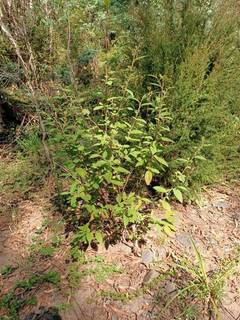
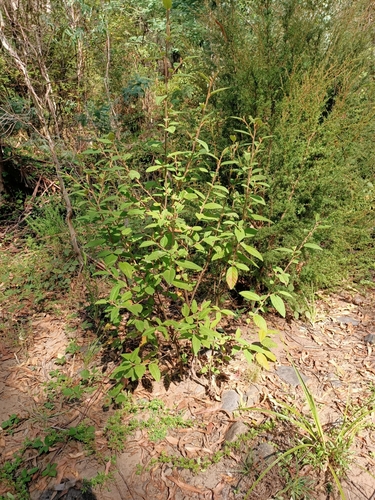
Pomaderris is a genus of about 70 species of evergreen shrubs and small trees in the buckthorn family, Rhamnaceae, native almost entirely to Australia with a smaller number in New Zealand. Plants range from low shrubs under 3 ft (1 m) to small trees near 30 ft (9 m), most carrying alternate, simple leaves that are wrinkled above and densely covered beneath with rust-colored or grayish hairs. Tiny flowers are massed in branched clusters at the stem tips, usually cream, pale yellow, or greenish, and in many species the colored sepals stand in for petals, which are small or absent. The flower clusters can cover the canopy in spring, set against the felted foliage. Small dry capsules follow, splitting to release the seeds. Most species grow in dry sclerophyll forest, heath, and woodland on poor, sandy or gravelly soils and need sharp drainage and full sun to light shade. Pomaderris is generally short-lived and fast-growing, and many species are frost-tender, holding them to mild and Mediterranean climates. Hard frost, wet winter soils, and heavy shade all shorten their life.
Native Range
Pomaderris is native to Australia and New Zealand, with the great majority of species found across southern and eastern Australia and Tasmania. Plants grow in dry sclerophyll forest, heathland, and open woodland, often on nutrient-poor sandy or rocky soils.Suggested Uses
Pomaderris is grown in native and coastal gardens, in dry shrub borders, and on sunny banks for erosion control on poor soils. The spring flower clusters draw native bees and other insects. Lower species are used as informal screening and habitat plantings in frost-free regions.How to Identify
Appearance
Size & Dimensions
Height1' - 30'
Width/Spread3' - 15'
Bloom Information
Pomaderris flowers mainly in spring, generally September to November in its native southern-hemisphere range, or spring in cultivation elsewhere. The massed clusters of small flowers last several weeks and can cover much of the canopy. Some species also carry scattered flowers at other times in mild climates.
Detailed Descriptions
Flower Description
cream, yellow, or greenFoliage Description
greenGrowing Conditions
Sun Requirements
Requires 5-12 hours of direct sunlight daily
• Full Sun: 6+ hours of direct sunlight
• Partial Shade: 3-6 hours of direct sunlight
• Full Shade: Less than 3 hours of direct sunlight
Care & Maintenance
Care Guide
Grow Pomaderris in full sun to light shade in light, sharply drained sandy or gravelly soil of low fertility. Plants take drought once established and resist coastal wind, but waterlogged or heavy clay soils cause rapid root rot. Most species are frost-tender to only lightly frost-hardy, so they suit USDA zones 9-10 or sheltered spots in zone 8. Rich feeding harms this and many other native Australian plants, which are sensitive to phosphorus-heavy fertilizers. Young plants are watered until established, then only in long dry spells. Plants are short-lived, often declining after ten to fifteen years, and are renewed from seed or cuttings.Pruning
Pomaderris is tip-pruned lightly after flowering to keep a dense, bushy habit, as plants left unpruned grow open and leggy with age. Cutting back into old bare wood often fails to resprout, so pruning stays within the leafy growth. Spent flower clusters are trimmed to tidy the shrub.Container Growing
Suitable for container growing
Minimum container size: 3 gallons