Polyscias, Genus, sambucifolia, Species,
- Genus & species
elderberry panax
Overview
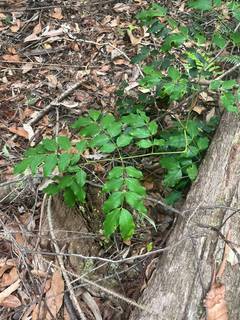
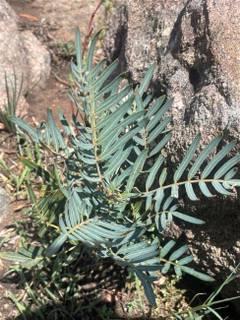
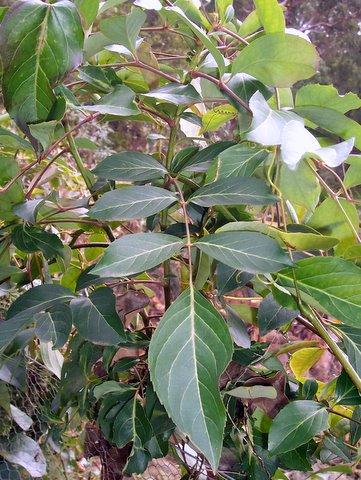
Polyscias sambucifolia is an evergreen shrub to small tree growing 3-16 feet (1-5 m) tall and 3-10 feet (1-3 m) wide, with an upright, open form and slender stems. The pinnate leaves resemble those of elderberry, with several pairs of toothed leaflets along a central stalk, and leaf shape varies widely between populations from broad to narrow segments. Small cream to greenish flowers are carried in branched terminal clusters in summer, followed by fleshy rounded drupes 0.15-0.25 inch (4-6 mm) wide that ripen from green through violet to blue-black. The plant grows as an understorey shrub in wet and dry sclerophyll forest across eastern Australia, where birds eat the fruit and disperse the seed. Foliage and roots of Polyscias species contain saponins that can cause digestive upset in dogs and cats if eaten. It prefers cool, moist, partly shaded conditions and shows limited tolerance of prolonged drought or hard frost. Growth is moderately fast in suitable shaded sites but slows in full exposure.
Native Range
Native to eastern Australia, from Queensland through New South Wales and Victoria to Tasmania and South Australia, where it grows in the understorey of wet and dry sclerophyll forest.Suggested Uses
Planted in shaded woodland gardens, understorey plantings, and native habitat gardens in cool, moist positions. Its fruit supports fruit-eating birds in revegetation projects.How to Identify
Appearance
Size & Dimensions
Height3' - 16'
Width/Spread3' - 10'
Bloom Information
Small cream to greenish flowers open in summer, mainly December to February in the southern hemisphere. The flower clusters are followed over weeks by rounded fleshy fruits that shift in colour from green through violet to blue-black.
Detailed Descriptions
Flower Description
cream to greenishFoliage Description
greenGrowing Conditions
Sun Requirements
Requires 3-6 hours of direct sunlight daily
• Full Sun: 6+ hours of direct sunlight
• Partial Shade: 3-6 hours of direct sunlight
• Full Shade: Less than 3 hours of direct sunlight