Polymnia, Genus, spp., Multiple species,
- Genus
- Multiple species
leafcup
Overview
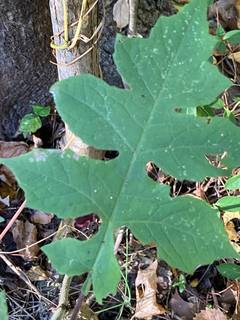
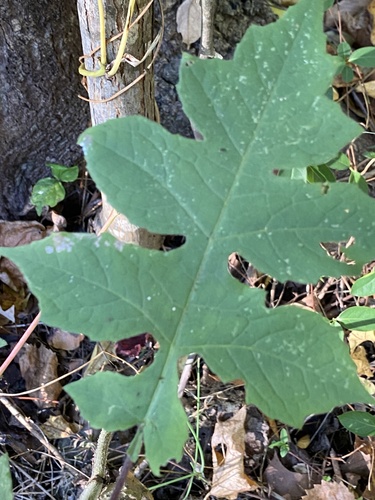
Polymnia is a genus of tall, coarse herbs in the daisy family (Asteraceae), known as leafcups and native to eastern North America. Plants are robust perennials or biennials reaching 2-6 ft (0.6-1.8 m) tall, with stout, often sticky-hairy stems that branch in the upper part. The large opposite leaves are thin, broadly triangular to deeply lobed, and up to 12 in (30 cm) long, the upper ones clasping the stem with winged stalks. From summer into autumn the branch tips carry small daisy heads about 1-2.5 cm across, with short pale-yellow or whitish ray florets surrounding a yellow disc. The seed heads are small and dry. Polymnia canadensis grows in shaded, moist, often limy woods and ravines, while related species occupy similar rich, shaded ground. The genus tolerates deep shade better than most daisies. One limitation is the coarse, weedy look of the foliage and the sticky hairs that catch dust, and another is the modest size of the flowers relative to the large leaves.
Native Range
Polymnia is native to eastern North America, ranging from Ontario and the Great Lakes south through the Appalachians and into the south-central United States. Plants grow in moist, shaded, often calcareous woodland, ravines, stream banks, and shaded roadsides.Suggested Uses
Grown in shaded native plant gardens, woodland borders, and the margins of damp, lightly wooded ground where a tall, coarse-textured perennial is wanted. The plants fill shaded back-of-border positions that many daisies will not tolerate. Flowers and seeds draw small insects and birds.How to Identify
Appearance
Size & Dimensions
Height2' - 6'
Width/Spread1'6" - 3'
Bloom Information
Detailed Descriptions
Flower Description
pale yellow to whitishFoliage Description
greenGrowing Conditions
Sun Requirements
Requires 2-5 hours of direct sunlight daily
• Full Sun: 6+ hours of direct sunlight
• Partial Shade: 3-6 hours of direct sunlight
• Full Shade: Less than 3 hours of direct sunlight
Care & Maintenance
Care Guide
Polymnia grows in part to full shade in moist, fertile, humus-rich soil, tolerating the limy ground of its native ravines at a pH of about 6.0 to 7.5. Steady moisture suits the large leaves, which wilt in dry, sunny positions. The genus withstands cold winters in USDA zones 4 to 8 and dies back to the ground each year. Plants grow quickly from seed and may self-sow where conditions are moist and shaded. Tall stems in exposed spots can flop and may need support. Slugs sometimes graze the young foliage.Pruning
Stems are cut to the ground after they are killed by frost or once flowering and seeding finish. Cutting back before seed ripens limits self-sowing where the plants are not wanted to spread. New growth rises from the rootstock in spring.Pruning Schedule
Prune: October–November
fall