Plumeria, Genus, rubra, Species,
- Genus & species
plumeria
Mexico, Central America, Caribbean, Venezuela, Colombia
Overview
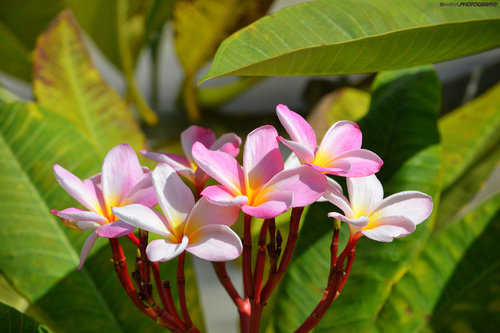
Plumeria rubra is the frangipani, growing 120–300 inches (300–750 cm) tall and 120–240 inches (300–600 cm) wide. Strongly fragrant waxy 5-petaled flowers 2–4 inches (5–10 cm) in clusters of 15–50 at branch tips, in white, yellow, pink, red, or multicolor combinations — the fragrance is sweet and tropical, carrying in the evening air. The flower is used in Hawaiian leis (though Plumeria is not native to Hawaii — it was introduced). Thick succulent-like blunt branches 1–3 inches (2.5–7 cm) in diameter with visible leaf scars. All parts exude a milky white latex when cut — the latex causes skin irritation and gastrointestinal symptoms if ingested. In the dogbane family (Apocynaceae). Deciduous: drops all leaves in winter and stands as bare thick branches — the bare winter silhouette is architectural. New leaves and flowers emerge from the branch tips in spring. Propagated by stem cuttings: a cut branch 12–18 inches (30–45 cm) will root after the cut end dries for 1–2 weeks. Native to Mexico, Central America, the Caribbean, Venezuela, and Colombia. Full sun (6+ hours). Drought-tolerant once established. Plumeria rust (Coleosporium plumeriae) — orange powdery spots on leaf undersides. Frost-tender: foliage damage at 33°F (1°C). Deer-resistant. Growth rate is moderate. Containers of 10+ gallons (40+ liters). Zones 10–11.
Native Range
Native to Mexico, Central America, the Caribbean, Venezuela, and Colombia. Widely cultivated in Hawaii (where it is the lei flower), Southeast Asia, and tropical regions worldwide.Suggested Uses
Grown in the ground in zones 10–11 or in containers of 10+ gallons (40+ liters) with indoor winter storage. Full sun. The strongly fragrant flowers and the bare winter branch architecture are both features. All parts toxic. Deer-resistant.How to Identify
Appearance
Size & Dimensions
Height10' - 25'
Width/Spread10' - 20'
Bloom Information
Detailed Descriptions
Flower Description
Variable: white, yellow, pink, red, multicolor; waxy, 5-petaledFoliage Description
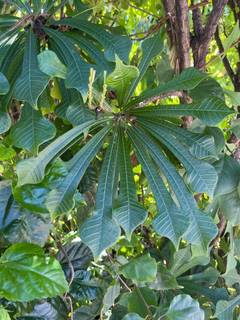
Dark green, glossy, large, lance-shaped, clustered at branch tipsGrowing Conditions
Sun Requirements
Requires 6-10 hours of direct sunlight daily
• Full Sun: 6+ hours of direct sunlight
• Partial Shade: 3-6 hours of direct sunlight
• Full Shade: Less than 3 hours of direct sunlight
Care & Maintenance
Care Guide
Full sun (6+ hours). Drought-tolerant once established. Deciduous — drops leaves in winter (bare branches are normal). Frost-tender at 33°F (1°C). Milky latex causes skin irritation; all parts toxic. Plumeria rust on leaf undersides. Propagate by dried stem cuttings. Deer-resistant. Zones 10–11.Pruning
Prune for shape in early spring before new growth. Cut branches at a node — the milky latex will seep from cuts. New growth emerges from below the cut. Cuttings 12–18 inches (30–45 cm) root after drying the cut end for 1–2 weeks.Pruning Schedule
Prune: March
spring
Container Growing
Suitable for container growing
Minimum container size: 10 gallons