Image 1 of 3
1 / 3
Plant Reference
Pleioblastus, Genus, pygmaeus, Species,
- Genus & species
dwarf bamboo
Japan; forest edges and disturbed areas
Overview
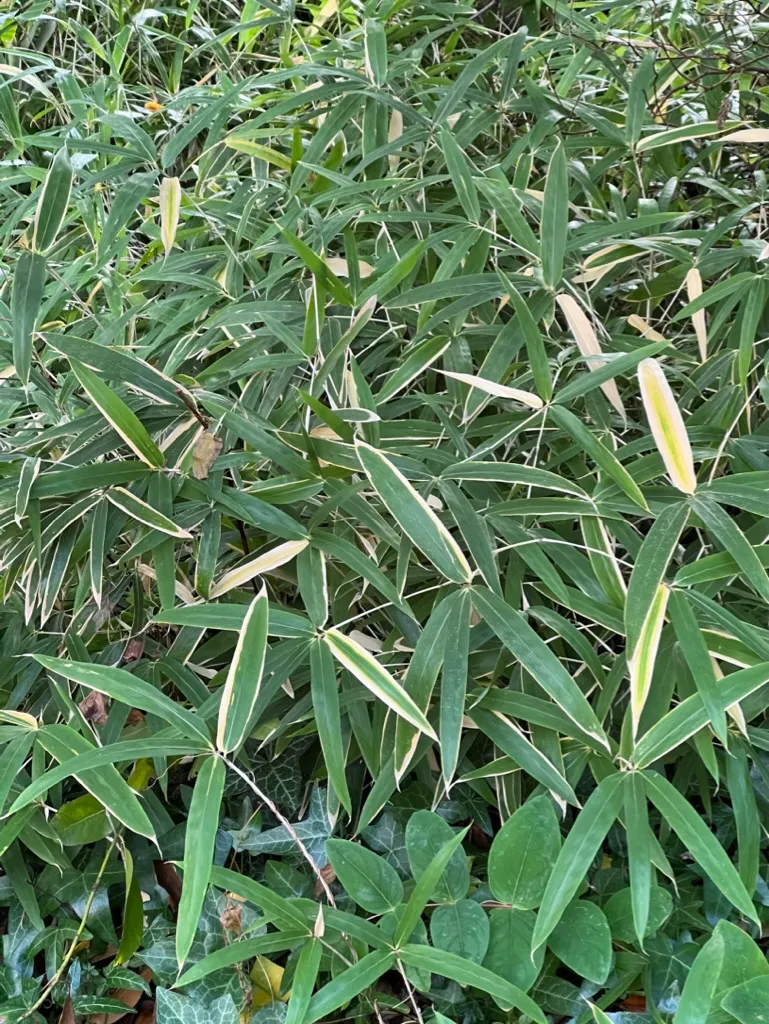
Pleioblastus pygmaeus is dwarf bamboo (pygmy bamboo), a low spreading running bamboo growing 6-24 inches (15-60 cm) tall with slender culms 0.1-0.2 inch (3-5 mm) in diameter. Bright to medium green narrow lance-shaped leaves 2-4 inches (5-10 cm). In Poaceae. Pygmaeus = dwarf. The smallest commonly cultivated running bamboo. Spreads aggressively by underground leptomorph rhizomes — INVASIVE. Containment required: 40-mil HDPE rhizome barrier buried 18-24 inches (45-60 cm) deep, or containers of at least 10 gallons (38 L). Mow or shear to the ground annually in late winter (February-March) for fresh dense low growth — without mowing, foliage becomes tattered. The annual mowing requirement and the aggressive spread are the primary maintenance demands. Flowering extremely rare. Native to Japan. Not deer-resistant. Non-toxic. Zones 5-9. Part sun to full sun. Growth rate is fast (via rhizomes).
Native Range
Native to Japan. Found on forest edges and in disturbed areas.Suggested Uses
Grown as a low evergreen bamboo ground cover ONLY with rhizome containment, and in containers of at least 10 gallons (38 L), spaced 2-5 feet (0.6-1.5 m) within contained areas. Annual mowing required. INVASIVE — containment mandatory. Non-toxic. Zones 5-9.How to Identify
Appearance
Size & Dimensions
Height6" - 2'
Width/Spread2' - 5'
Bloom Information
Flowering is extremely rare and unpredictable. Pleioblastus species may flower only once every several decades (gregarious flowering).
Detailed Descriptions
Flower Description
Flowering is extremely rare and unpredictable — Pleioblastus species may flower only once every several decades (gregarious flowering)Foliage Description
Bright to medium green, narrow, lance-shaped, 2-4 inches (5-10 cm) long and 0.3-0.5 inch (8-13 mm) wide, on slender culms 0.1-0.2 inch (3-5 mm) in diameter; evergreen — foliage browns at the tips in cold winters (zones 5-6) but regrows after mowingGrowing Conditions
Sun Requirements
Requires 3-8 hours of direct sunlight daily
• Full Sun: 6+ hours of direct sunlight
• Partial Shade: 3-6 hours of direct sunlight
• Full Shade: Less than 3 hours of direct sunlight
Care & Maintenance
Care Guide
Part sun to full sun (3-8 hours). Well-drained soil pH 5.5-7.5. INVASIVE running bamboo — containment required: 40-mil HDPE rhizome barrier 18-24 inches (45-60 cm) deep, or containers. Mow to the ground annually in late winter (February-March). Drought-tolerant once established. Not deer-resistant. Non-toxic. Zones 5-9.Pruning
Mow or shear to the ground in late winter (February-March) annually for fresh dense growth. Without annual mowing, the foliage becomes tattered and brown-tipped. Cut escaping rhizomes at the barrier edge.Pruning Schedule
Prune: February–March
early spring
Container Growing
Suitable for container growing
Minimum container size: 10 gallons