Plectritis, Genus, spp., Multiple species,
- Genus
- Multiple species
sea blush
SunFull Sun – Part Shade
WaterMedium
Overview
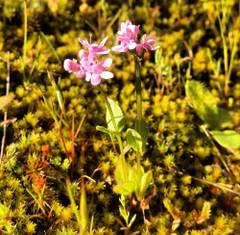
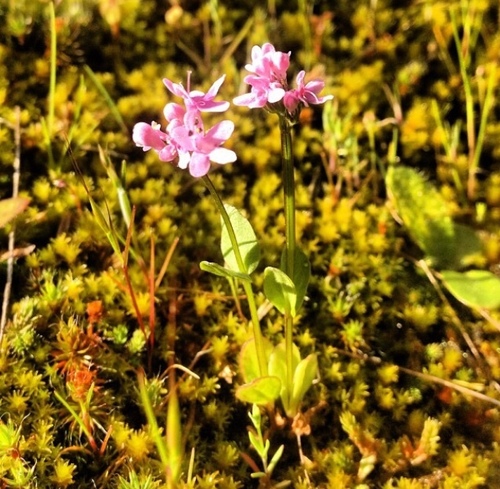
Plectritis is a genus of about three to four annual herbs in the honeysuckle family Caprifoliaceae, formerly placed in the valerian family, native to western North America. Plants are slender, upright annuals 4-24 inches (10-60 cm) tall, with soft, opposite, oval to spoon-shaped leaves on weak square stems. Tiny flowers are massed into dense, rounded to elongated heads at the stem tips; each flower is small and often two-lipped with a short basal spur, in shades of pink, rose, and occasionally white. The most familiar species, Plectritis congesta, called sea blush, can color open slopes pink in spring. Bloom comes in spring, after which small dry one-seeded fruits, sometimes winged, are shed. Plectritis grows in moist, open habitats such as grassy bluffs, meadows, rock outcrops, and the margins of vernal pools, often where soils are wet in winter and spring but dry in summer. As a cool-season annual it dies after seeding and depends on fresh seed each year, with no growth through the summer dry season.
Native Range
Plectritis is native to western North America, from British Columbia south through the Pacific states. It grows in moist meadows, grassy bluffs, rock outcrops, and around the edges of vernal pools.Suggested Uses
Used in wildflower meadows, native and habitat plantings, and seasonal containers in regions with wet winters and dry summers. Sown in drifts for spring color in open, sunny to lightly shaded ground.How to Identify
Appearance
Size & Dimensions
Height4" - 2'
Width/Spread2" - 8"
Bloom Information
Flowering occurs in spring, mainly April through June, when the rounded heads of pink flowers open over a few weeks. In open sites large numbers bloom together, tinting slopes pink. Dry one-seeded fruits follow and disperse as the plants wither.
Detailed Descriptions
Flower Description
Pink to roseFoliage Description
GreenGrowing Conditions
Sun Requirements
Requires 4-9 hours of direct sunlight daily
• Full Sun: 6+ hours of direct sunlight
• Partial Shade: 3-6 hours of direct sunlight
• Full Shade: Less than 3 hours of direct sunlight
Water & Climate
Water Needs
Care & Maintenance
Care Guide
Plectritis is grown from seed sown in autumn or late winter where plants are to flower, in full sun to light shade on soils that stay moist through winter and spring. It germinates in cool weather and needs reliable moisture from autumn rains through flowering, then dies as soils dry in summer. Open, undisturbed ground lets seedlings establish in drifts, and crowded stands give the strongest color. Summer watering serves no purpose once seed has set. Plants self-sow where conditions suit, returning each spring from the seed bank. No feeding is needed on average soils.Pruning
No pruning is required. Spent plants are cleared after they set seed and die in early summer. Some seed is left to ripen for self-sowing the next season.Container Growing
Suitable for container growing
Minimum container size: 1 gallons
Toxicity: Not assessed
UnknownPlanting Guide
Planting Methods & Timing
Planting Method
direct sow
Direct Sow Timing
Autumn to late winter where winters are mild and moist
Days to Maturity
90–150 days
Plant Spacing
4 inches
Companion Planting
Good Companions