Plagiomnium, Genus, cuspidatum, Species,
- Genus & species
woodsy thyme-moss
Northern Hemisphere temperate and boreal woodlands
SunPart Shade – Full Shade
WaterHigh
Overview
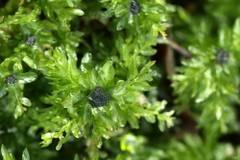
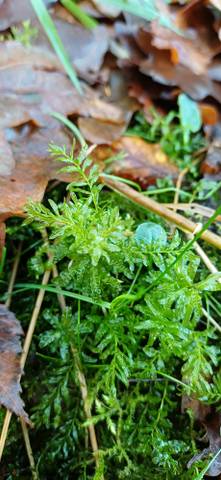
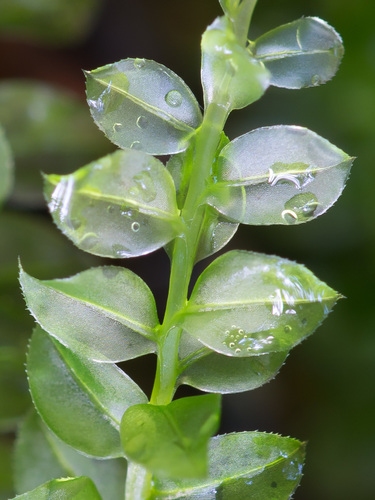
Plagiomnium cuspidatum is a small mat-forming moss reaching 0.4-2 inches (1-5 cm) tall, with two kinds of shoots: creeping sterile stems that root along their length and shorter erect fertile stems. The leaves are ovate to elliptic, 0.1-0.3 inch (3-7 mm) long, bright to dark green, flat, with a narrow thickened border and small teeth along the upper half of the margin, each tapering to a short point that gives the species its name. Leaves shrink and twist when dry and rehydrate to lie flat within seconds of wetting. Plants form loose green carpets over soil, humus, rotting logs, rock, and the bases of trees in moist shaded woods. Reproduction is by spores rather than seed: the species is dioicous, and fertilized fertile shoots raise slender reddish stalks 0.6-1.2 inches (1.5-3 cm) tall topped by nodding cylindrical capsules that shed spores when ripe. It also spreads vegetatively as the creeping stems branch and root, building colonies over years. Widespread across the temperate Northern Hemisphere, it grows where humidity stays high and direct sun is limited. One trade-off in cultivation is its dependence on steady moisture and shade, since the mats brown and curl when soil dries or light is strong, recovering only when moisture returns.
Native Range
Native across the temperate and boreal Northern Hemisphere, including much of North America, Europe, and Asia. It grows in moist, shaded forests on soil, humus, decaying wood, rock, and tree bases.Suggested Uses
Used in shade and woodland gardens, moss gardens, terrariums, and on rocks, logs, and soil where ground cover is wanted in damp shade. It is grown between stepping stones and in containers kept moist.How to Identify
Appearance
Bloom Information
This moss reproduces by spores rather than flowers. Fertile shoots raise reddish stalks topped by nodding capsules that mature and release spores in late spring and summer. Spore production depends on nearby male and female shoots, so many colonies spread mainly by creeping stems instead.
Detailed Descriptions
Foliage Description
Bright to dark greenGrowing Conditions
Sun Requirements
Tolerates up to 4 hours of direct sunlight daily
• Full Sun: 6+ hours of direct sunlight
• Partial Shade: 3-6 hours of direct sunlight
• Full Shade: Less than 3 hours of direct sunlight
Water & Climate
Water Needs
Care & Maintenance
Care Guide
Grows in part to full shade on consistently moist, humus-rich, mildly acidic to neutral substrates at pH 5.0-7.0. It needs high humidity and shelter from direct sun and drying wind, holding color in steady moisture and browning when surfaces dry. No fertilizer is used, and growth is slow, building over seasons. Established mats can be divided and pressed onto bare moist soil or wood to start new patches. Fallen tree leaves are cleared from the surface, since heavy litter smothers the low shoots.Pruning
Pruning is not applicable to this moss. Mats are kept clear of fallen tree leaves and debris so the low shoots are not buried. Overgrown patches can be lifted and divided to spread the colony.Container Growing
Suitable for container growing
Minimum container size: 1 gallons