Pistacia, Genus, chinensis, Species,
- Genus & species
Chinese pistache
Overview
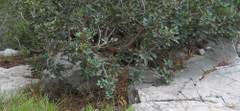
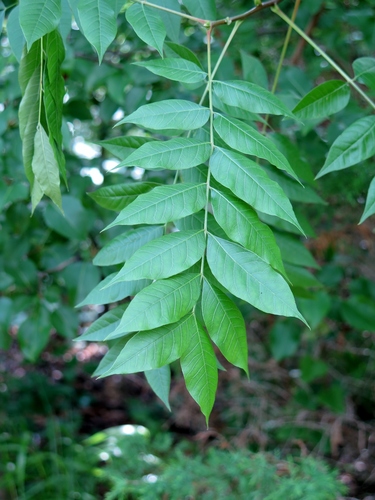
Pistacia chinensis is a deciduous tree reaching 30-60 feet (9-18 m) tall with a spread of 25-35 feet (7.6-10.7 m), forming a rounded to umbrella-shaped crown at maturity. The pinnately compound leaves measure 8-12 inches (20-30 cm) long, each carrying 10-16 lance-shaped leaflets 2-4 inches (5-10 cm) long that turn shades of orange, red, and yellow before dropping in autumn. The species is dioecious, with separate male and female trees; female trees produce clusters of small fruits about 0.2 inch (5 mm) across that ripen from red to blue-black. Bark is gray-brown and flakes to reveal salmon-colored inner bark on older trunks. Young trees often grow with an irregular, leaning form before developing symmetry with age. It tolerates heat, drought, and a range of urban soils, and is planted as a street and shade tree across USDA zones 6-9. Limitations include weak branch unions on young trees that require structural pruning, and self-seeding from female trees that can produce volunteer seedlings in irrigated ground. Growth is moderate, adding 1-2 feet (30-60 cm) per year once established. The species withstands wind and reflected heat from pavement, conditions that damage many comparable shade trees.
Native Range
Pistacia chinensis is native to central and western China and Taiwan, where it grows on hillsides and in mixed woodlands at elevations up to 11,500 feet (3,500 m).Suggested Uses
Planted as a street tree, lawn specimen, and parking-lot shade tree in warm-temperate and Mediterranean climates. Used in xeriscape and low-water plantings once established. Spaced 25-35 feet (7.6-10.7 m) apart for canopy clearance.How to Identify
Appearance
Size & Dimensions
Height30' - 60'
Width/Spread25' - 35'
Bloom Information
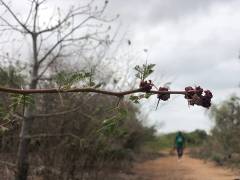
Small flowers appear in spring before or with the emerging leaves, carried in branched panicles 2-4 inches (5-10 cm) long. Male flowers are reddish and pollen-bearing; female flowers are greenish. The flowers lack petals and are individually under 0.1 inch (2 mm) across. On female trees, fruit clusters follow and ripen from red to blue-black by autumn.
Detailed Descriptions
Flower Description
Reddish on male trees, greenish on female treesFoliage Description
Green, turning orange, red, and yellow in fallGrowing Conditions
Sun Requirements
Requires 6-12 hours of direct sunlight daily
• Full Sun: 6+ hours of direct sunlight
• Partial Shade: 3-6 hours of direct sunlight
• Full Shade: Less than 3 hours of direct sunlight
Care & Maintenance
Care Guide
Grows in full sun, requiring at least 6 hours of direct light for dense canopy development and fall color. Tolerates clay, loam, and sandy soils across a pH range of 6.0-8.0, and withstands drought once the root system is established, though regular water during the first two to three years speeds establishment. Hardy in USDA zones 6-9, surviving winter lows near -10F (-23C). Young trees respond to structural pruning that corrects co-dominant leaders and narrow branch angles. The species has few serious pests, though verticillium wilt can affect trees in poorly drained soil. Established trees need little supplemental water in regions with 20 inches (50 cm) or more annual rainfall.Pruning
Prune in late winter while dormant to establish a single central leader and remove crossing or co-dominant stems. Structural pruning in the first three to five years reduces the risk of branch failure as the crown widens. Mature trees need only removal of dead or damaged wood.Pruning Schedule
Prune: February–March
winter