Piper, Genus, spp., Multiple species,
- Genus
- Multiple species
pepper plants
Pantropical (American tropics, Africa, southern and Southeast Asia, Pacific islands)
Overview
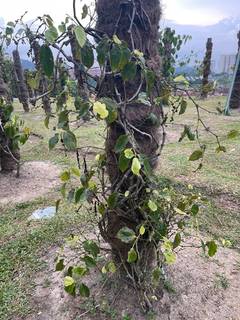
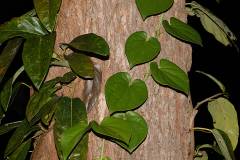
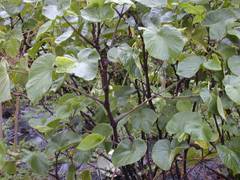
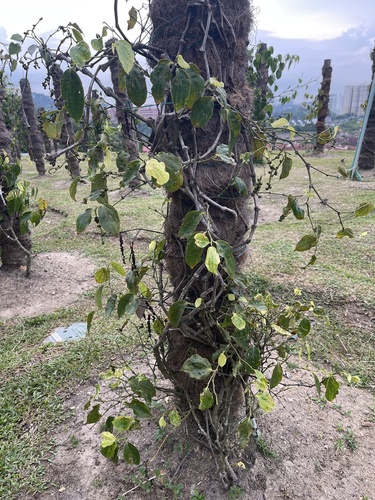
Piper is a large genus of more than 1,000 species in the pepper family (Piperaceae), distributed through the tropics of both hemispheres. Growth forms range across the genus from woody climbing vines to shrubs and small trees 3-30 feet (1-9 m) tall. Leaves are typically alternate, heart-shaped to oval, 2-12 inches (5-30 cm) long, often glossy and aromatic when crushed, with prominent curving veins. The minute flowers lack petals and are packed onto slender erect or pendulous spikes 1-6 inches (2.5-15 cm) long, ripening to small one-seeded drupes. The genus includes several cultivated species of economic value: P. nigrum is the source of black, white, and green peppercorns, P. betle is grown for betel leaf, and P. methysticum yields kava. Most species are understory plants of humid tropical forests and need warmth, shade, and steady moisture. They are frost-tender and damaged below about 50°F (10°C). Some species contain safrole or other bioactive compounds, so the edibility of any given Piper depends on the species. Outside the tropics, plants are grown under glass or as container houseplants.
Native Range
Piper is pantropical, native to humid forests across Central and South America, Africa, southern and Southeast Asia, and the Pacific islands. The greatest species diversity occurs in the American tropics and in Southeast Asia.Suggested Uses
Grown as foliage houseplants and conservatory climbers, trained on moss poles indoors, and cultivated in tropical gardens for spice, beverage, and traditional uses. Lower shrubby species act as tropical groundcover or understory planting. In temperate regions Piper is confined to heated greenhouses and indoor displays.How to Identify
Appearance
Size & Dimensions
Height3' - 30'
Width/Spread3' - 10'
Bloom Information
Flowering in the humid tropics can occur through much of the year where warmth and moisture are constant. The slender spikes carry hundreds of minute flowers and are wind- and insect-pollinated. In cultivation under glass, flowering is irregular and many plants are grown mainly for their foliage.
Detailed Descriptions
Flower Description
greenish white to creamFoliage Description
greenGrowing Conditions
Sun Requirements
Needs bright indirect light. Keep it out of direct sun, which can scorch the leaves.
• Bright indirect light: a bright spot near a window, with no direct sun on the leaves
Care & Maintenance
Care Guide
Grow Piper in bright indirect light or partial shade, matching the humid forest understory, in rich, well-drained soil with a pH of 5.5-7.0. Keep the soil evenly moist and maintain high humidity, since foliage browns in dry air. Temperatures should stay above 60°F (16°C), with damage likely below 50°F (10°C). Feed monthly through the growing season with a balanced fertilizer. Climbing species need a moss pole or trellis for their adventitious roots. Spider mites and mealybugs are the main pests on indoor plants.Pruning
Pinching the stem tips encourages branching and keeps climbing species dense. Overlong or bare stems can be cut back to a node in spring, where new shoots form. Vining types are tied in or wound around their support as they grow.Container Growing
Suitable for container growing
Minimum container size: 5 gallons