Scutellaria, Genus, suffrutescens, Species,
- Genus & species
pink skullcap
Chihuahuan Desert and Tamaulipan thornscrub (northeastern Mexico, southern Texas)
Overview
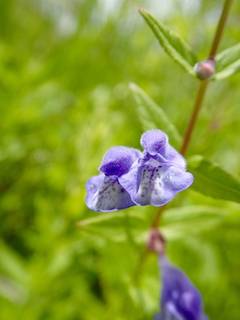
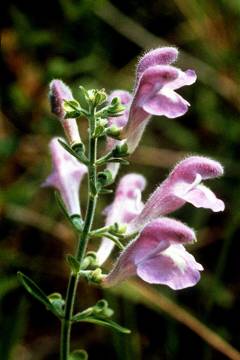
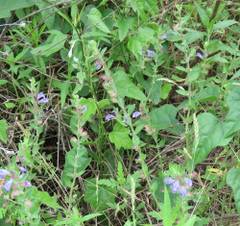
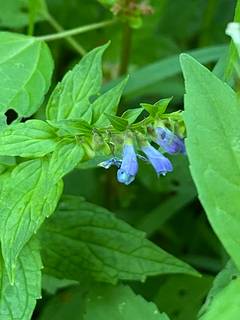
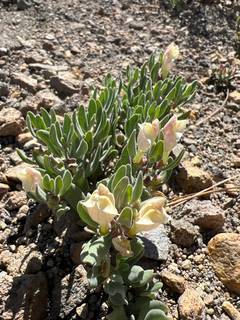
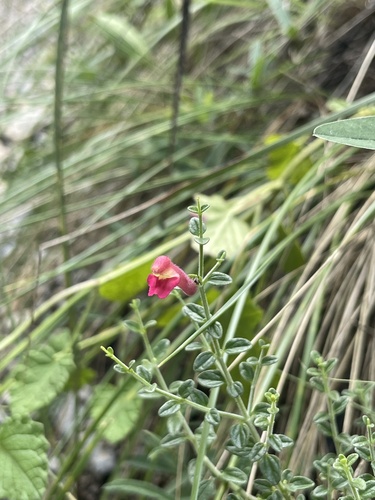
Scutellaria suffrutescens is a low evergreen subshrub native to northeastern Mexico and southern Texas, reaching 8-12 inches (20-30 cm) tall and 18-24 inches (45-60 cm) wide, with a dense rounded mound habit. Stems herbaceous on the upper portion and slightly woody at the base. Lance-shaped to elliptic opposite leaves are 0.5-1 inch (1.3-2.5 cm) long and 0.2-0.4 inches (5-10 mm) wide, gray-green to dark green, slightly hairy, with smooth or wavy margins. Tubular two-lipped pink to rose-pink flowers, 0.75-1 inch (2-2.5 cm) long, are produced in axillary clusters of 1-3 blooms from April through November in zones 8-11. Each flower lasts 5-7 days; new buds open continuously through warm months. Capsular fruits with helmet-shaped calyces (the source of the genus name skullcap) follow flowers but viable seed production is limited in cultivation. Hardy to about 15°F (-9°C); foliage damages below 20°F (-7°C) and stems may dieback at 10°F (-12°C) in zone 8a winters. Drought tolerance high once established; tolerates rocky and sandy soils with limited irrigation. Susceptible to root rot in heavy clay soils and irrigated lawns where drainage exceeds 4 inches (10 cm) per week.
Native Range
Native to the Chihuahuan Desert and Tamaulipan thornscrub regions of northeastern Mexico (Coahuila, Nuevo León, Tamaulipas, San Luis Potosí) and adjacent southern Texas, particularly the Rio Grande Plains. Occurs on rocky limestone slopes, gravelly washes, and arid grasslands at 500-5,000 feet (150-1,500 m) elevation.Suggested Uses
Used in xeriscape gardens, rock gardens, and southwestern landscape borders, spaced 18-24 inches (45-60 cm) apart in zones 8-11. Planted along walkway edges and in foundation beds at 8-12 inch (20-30 cm) mature size with continuous bloom from spring through fall. Grown in 1-3 gallon (4-11 L) containers and hanging baskets; container plants flower from April through November with 2-3 weekly summer waterings.How to Identify
Appearance
Size & Dimensions
Height8" - 1'
Width/Spread1'6" - 2'
Colors
Bloom Information
April through November in zones 8-11; May through October in zone 7b where dieback may occur. Individual flowers last 5-7 days; new buds open continuously through warm months for a 6-7 month bloom period in mild climates. Bloom slows below 60°F (16°C) and during peak summer heat above 105°F (41°C). Established plants flower more heavily than first-year transplants by 30-50%.
Detailed Descriptions
Flower Description
pink to rose-pinkFoliage Description
gray-green to dark greenGrowing Conditions
Sun Requirements
Requires 6-12 hours of direct sunlight daily
• Full Sun: 6+ hours of direct sunlight
• Partial Shade: 3-6 hours of direct sunlight
• Full Shade: Less than 3 hours of direct sunlight
Care & Maintenance
Care Guide
Water deeply once a week during the first growing season; established plants tolerate 4-6 weeks without rain in zones 8-11. Apply 1 inch (2.5 cm) of decomposed granite or gravel mulch in spring; organic mulches retain too much moisture in arid climates and increase root rot risk. Aphids and spider mites develop on stressed plants in hot dry conditions; populations decline with summer rain or supplemental humidity. In zone 8a where dieback occurs, cut frost-killed stems to 2-3 inches (5-7.5 cm) above ground in late February. Container plants in pots smaller than 3 gallons (11 L) become rootbound within 2 growing seasons.Pruning
Shear to half size in late winter before new growth resumes; pruning produces denser growth and increases flower production. Light shearing during the growing season after major bloom flushes maintains a tidy mound. Hard renewal pruning to 1-2 inches (2.5-5 cm) every 3-4 years restores plants that have become woody at the base; full regrowth and bloom return within one growing season.Pruning Schedule
Prune: February–March
winterearly spring
Container Growing
Suitable for container growing
Minimum container size: 1 gallons