Ceiba, Genus, speciosa, Species,
- Genus & species
pink silk floss tree
Argentina, S Brazil, Paraguay, Bolivia (subtropical forest and savanna transition zones)
Overview
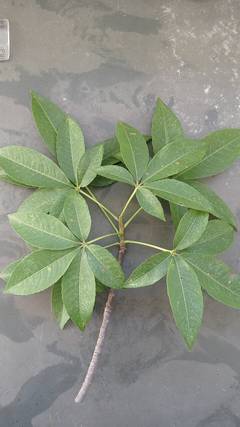
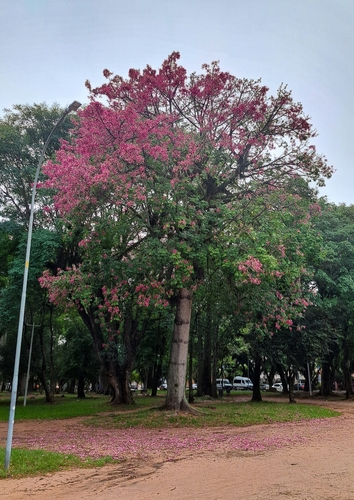
Ceiba speciosa (syn. Chorisia speciosa) is a deciduous subtropical tree reaching 30–60 feet (9–18 m) tall with a spread of 25–40 feet (7.5–12 m), growing with an upright trunk and a broad rounded crown on mature specimens. The species carries three separate ornamental features that make it a signature specimen tree of Mediterranean and subtropical cultivation: a green photosynthetic trunk swollen into a bottle or barrel shape that widens through middle age before narrowing again in old age; dense conical spines covering the trunk and lower branches of young trees (older trees shed many of the spines); and bright pink 5-petaled flowers 4–6 inches (10–15 cm) across with a cream-yellow throat, borne in loose clusters on the branch tips in September through November, often opening before the fall leaf drop and continuing on bare or near-bare branches. Leaves are palmately compound with 5–7 lance-shaped leaflets, bright green through the growing season, turning yellow before fall drop. After bloom, the tree carries pear-shaped woody seed pods that mature through winter and split open in late winter and early spring to release silk-like white fibers that wrap the small seeds—the source of the species' common name. Hardy to zone 9 (20°F / −7°C).
Native Range
Ceiba speciosa is native to a region spanning northern Argentina, southern Brazil, Paraguay, and southeastern Bolivia, growing in subtropical forest and savanna transition zones. The silky white floss surrounding the seeds was historically harvested from native-range populations as a kapok substitute for stuffing pillows and life preservers, though commercial harvest has largely shifted to the related Ceiba pentandra of more tropical origin. The species is widely planted in zone-9-and-warmer cities across the Americas, Mediterranean Europe, North Africa, and Australia as a signature ornamental specimen tree.Suggested Uses
Planted as a signature specimen tree in zone-9-and-warmer subtropical and Mediterranean gardens at 30-foot (9 m) minimum spacing from structures and other trees. The combination of the green spine-covered trunk, the fall pink bloom, and the winter silk-floss seed pod display carries year-round ornamental interest that few other deciduous trees match in subtropical cultivation. Urban street-tree planting works where the trunk spines will not contact pedestrians (mature trees lose most lower-trunk spines, reducing this risk over time); broad plazas, park plantings, and residential garden specimen positions all suit the species. Small gardens under 30 feet across, cold-winter climates below zone 9, and positions adjacent to foot traffic on young trees are poor fits for the species.How to Identify
Appearance
Size & Dimensions
Height30' - 60'
Width/Spread25' - 40'
Bloom Information
Five-petaled flowers 4–6 inches (10–15 cm) across, bright pink with a cream-yellow throat often speckled with darker pink or purple at the petal base, open in loose clusters at the branch tips from September through November. Flowers often open before the fall leaf drop and continue on bare or near-bare branches through the bloom window, carrying a peak display on the partially defoliated tree. Bloom duration runs 8–12 weeks. Hummingbirds and large butterflies work the flowers in native-range populations and in zone-9-and-warmer cultivated plantings. Flowers are followed by pear-shaped woody seed pods that split open in late winter and early spring to release the silky white floss that wraps the small black seeds.
Detailed Descriptions
Flower Description
Pink with cream-yellow throat; 5-petaled 4-6 inches acrossFoliage Description
Bright green palmately compound 5-7 leaflets; yellow fall colorGrowing Conditions
Sun Requirements
Requires 6-12 hours of direct sunlight daily
• Full Sun: 6+ hours of direct sunlight
• Partial Shade: 3-6 hours of direct sunlight
• Full Shade: Less than 3 hours of direct sunlight
Care & Maintenance
Care Guide
Full sun in deep well-drained loam or sandy soil matches the species' cultivation needs. Hardy to zone 9 (20°F / −7°C); young trees in the first 5–10 years tolerate less cold than mature specimens and benefit from protected microclimates (south walls, urban heat-island positions) in zone-9 gardens. Drought tolerance is strong once the root system establishes through the first 3–5 years, and mature trees handle long dry seasons typical of the native Southern Cone climate. Deep taproots make the species difficult to transplant after establishment, so initial siting decisions carry long-term consequences. The trunk spines can cause puncture injuries during maintenance and handling, so pruning of young trees is done with thick leather gloves and long-sleeved protective clothing. Pest and disease problems are minimal.Pruning
Pruning is done in early spring (March) before leaf-out and after any winter frost damage can be assessed. Structural pruning in the first 5–10 years develops a central leader and a balanced scaffold of primary branches; overgrown water sprouts and crossing branches are removed as they appear. Minimal pruning is needed on mature specimens beyond removal of dead or damaged wood.Pruning Schedule
Prune: March
early spring