Image 1 of 22
1 / 22
Plant Reference
Phlomis, Genus, russeliana, Species,
- Genus & species
jerusalem sage
Overview
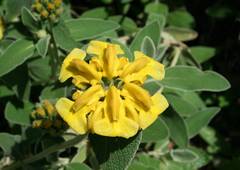
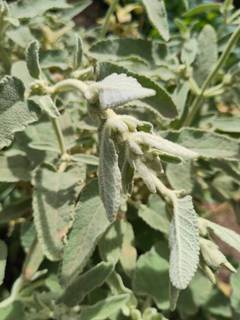
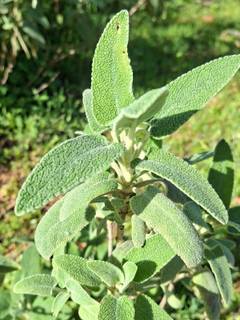
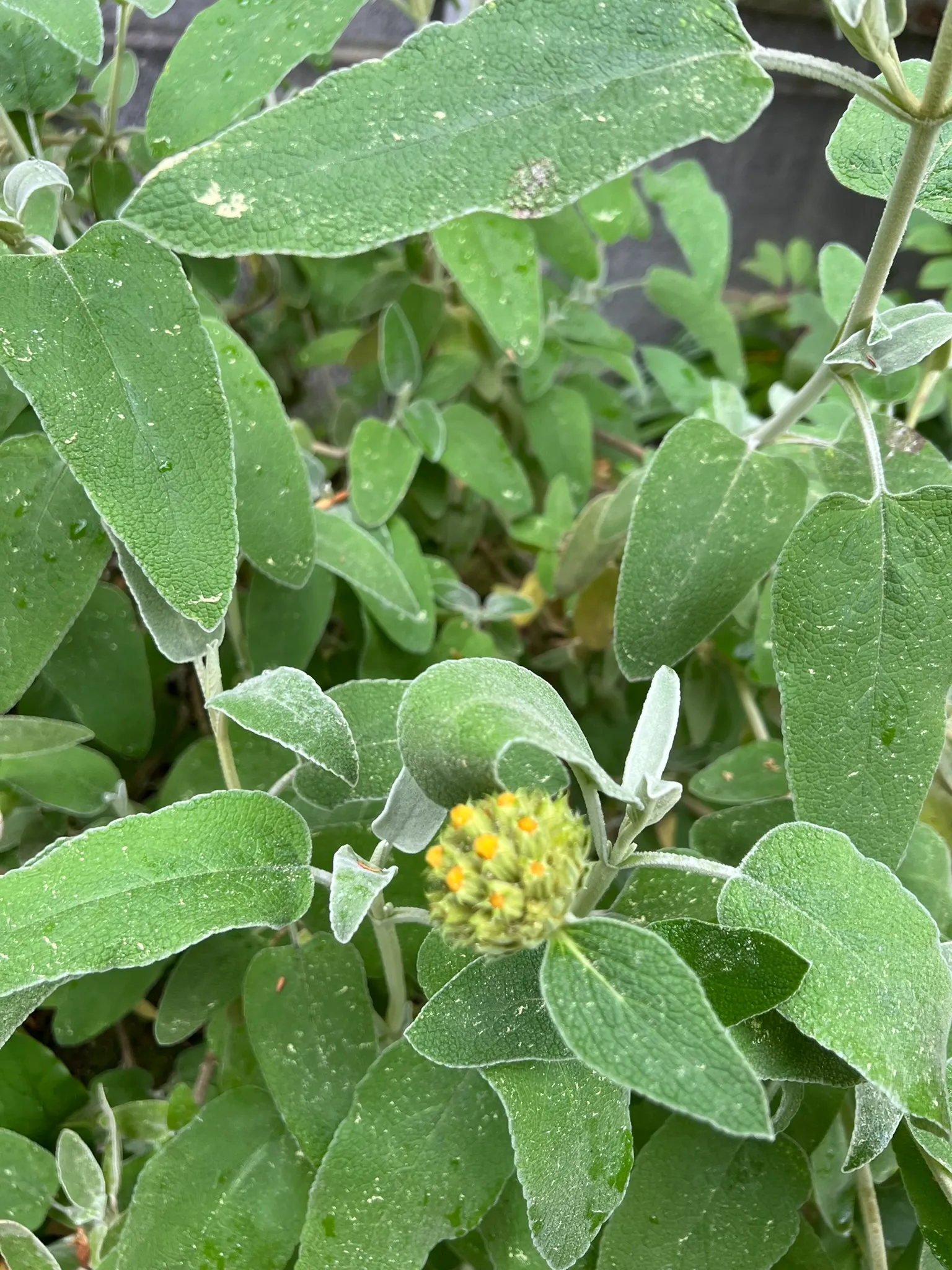
Phlomis russeliana is Jerusalem sage (Turkish sage), growing 36–48 inches (90–120 cm) tall in flower and 24–36 inches (60–90 cm) wide. Butter-yellow hooded (2-lipped) flowers in tiered whorls (verticillasters) spaced 6–8 inches (15–20 cm) apart along the upper portion of upright stems — the stacked whorl arrangement is the species identifier. Large gray-green heart-shaped basal leaves 4–8 inches (10–20 cm) with a feltlike woolly texture (dense pubescence). Semi-evergreen — the basal leaves persist through mild winters. In the mint family (Lamiaceae) — not related to true sage (Salvia). Distinguished from Phlomis fruticosa (shrubby Jerusalem sage): P. russeliana is herbaceous with a basal rosette; P. fruticosa is a woody shrub. The dried tiered seed head stems persist through fall and winter as a vertical structural element — leave standing until early spring. Spreads by short rhizomes to form ground-covering colonies. Tolerates alkaline soils (pH to 8.0), drought, and poor rocky conditions. Native to Turkey, growing on dry rocky slopes and at forest margins. Non-toxic. Deer-resistant. Full sun (6+ hours). Zones 4–9. Growth rate is moderate.
Native Range
Native to Turkey, growing on dry rocky slopes and at forest margins at low to moderate elevations.Suggested Uses
Grown in dry borders and gravel gardens in zones 4–9. The tiered flower whorls in summer and the persistent dried seed head stems in winter are the seasonal and structural features. Drought-tolerant. Spreads to form colonies. Non-toxic. Deer-resistant.How to Identify
Appearance
Size & Dimensions
Height3' - 4'
Width/Spread2' - 3'
Bloom Information
Early to midsummer (June–July), lasting 3–4 weeks. Butter-yellow hooded flowers in tiered whorls. The dried tiered seed heads persist through fall and winter as vertical structure.
Detailed Descriptions
Flower Description
Butter-yellow, hooded (2-lipped), in tiered whorls (verticillasters) spaced along the upper stemFoliage Description
Gray-green, large, heart-shaped, feltlike texture (woolly pubescence), 4-8 inches (10-20 cm)Growing Conditions
Sun Requirements
Requires 6-10 hours of direct sunlight daily
• Full Sun: 6+ hours of direct sunlight
• Partial Shade: 3-6 hours of direct sunlight
• Full Shade: Less than 3 hours of direct sunlight
Care & Maintenance
Care Guide
Full sun (6+ hours). Well-drained soil — tolerates alkaline (pH to 8.0), drought, and poor rocky conditions. Leave dried tiered stems standing through winter. Cut to the ground in early spring. Spreads by short rhizomes. Non-toxic. Deer-resistant. Zones 4–9.Pruning
Cut all stems to the ground in early spring (March) before new growth emerges. Leave the dried tiered seed heads standing through winter — they are a structural feature. The basal foliage is self-maintaining.Pruning Schedule
Prune: March
early spring