Phlebodium, Genus, aureum, Species,
- Genus & species
blue star fern
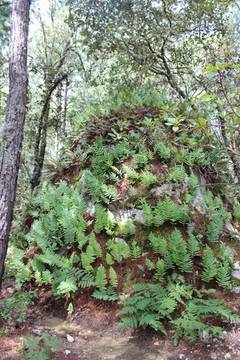
Tropical and subtropical Americas; from Florida south to Argentina; also naturalized in Hawaii; epiphytic
Overview
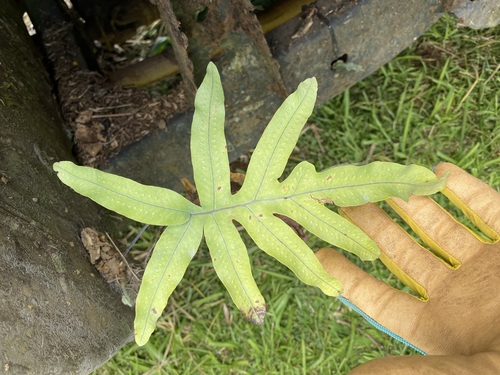
Phlebodium aureum is the blue star fern, growing 18-24 inches (45-60 cm) tall and wide. Blue-gray to silvery-blue large deeply lobed (pinnatifid) fronds with wavy margins give the species an uncommon coloring among indoor ferns. The species name 'aureum' means 'golden', referring to the golden-orange spore dots (sori) on frond undersides; these are normal reproductive structures, not signs of disease or insect infestation. The rhizome is fuzzy and golden-brown, often growing visibly over the pot rim; this is normal epiphytic behavior and the rhizome is not buried in soil. Tolerates lower humidity (30%+) and occasional soil drying, making the species more resilient than thin-fronded ferns such as Adiantum raddianum or Nephrolepis exaltata. Non-toxic to cats and dogs. Native to tropical and subtropical Americas, including Florida, where it grows as an epiphyte on tree trunks. Requires well-draining media (orchid bark or aroid mix); standard potting soil retains too much moisture for the epiphytic root system. Growth rate is moderate at 1-2 new fronds per month.
Native Range
Phlebodium aureum is native to tropical and subtropical Americas, including Florida.Suggested Uses
Grown in containers of 1-3 gallons (4-12 liters) with orchid bark or aroid mix. Suited to tabletops, shelves, and hanging baskets in bright indirect to moderate light. Non-toxic, safe for households with pets.How to Identify
Appearance
Size & Dimensions
Height1'6" - 2'
Width/Spread1'6" - 2'
Bloom Information
Ferns do not produce flowers. Round golden-orange sori form on frond undersides in regular rows along the veins.
Detailed Descriptions
Foliage Description
Blue-gray to silvery-blue; large, deeply lobed (pinnatifid), with wavy marginsGrowing Conditions
Sun Requirements
Requires 3-5 hours of direct sunlight daily
• Full Sun: 6+ hours of direct sunlight
• Partial Shade: 3-6 hours of direct sunlight
• Full Shade: Less than 3 hours of direct sunlight
Care & Maintenance
Care Guide
Sited in bright indirect to moderate light. The top inch (2.5 cm) of media is allowed to dry between waterings; more drought-tolerant than thin-fronded ferns. Tolerates humidity as low as 30%. Well-draining epiphytic media (orchid bark, aroid mix) is used. Non-toxic to pets.Pruning
Dead fronds are removed at the base. The creeping rhizome growing over the pot rim is normal and is not trimmed or buried.Container Growing
Suitable for container growing
Minimum container size: 3 gallons