Phedimus, Genus, kamtschaticus, Species,
- Genus & species
orange stonecrop
NE Asia (Kamchatka, E Siberia, N China, Korea, N Japan; rocky slopes, cliffs, open montane areas)
Overview
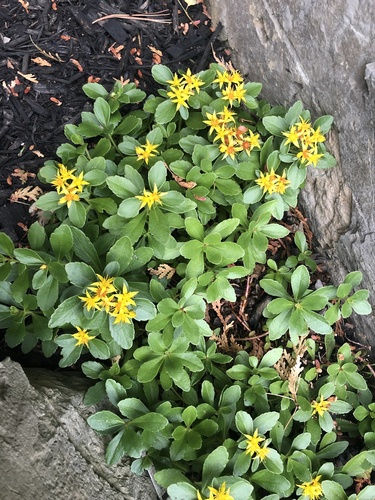
Phedimus kamtschaticus (syn. Sedum kamtschaticum) is a semi-evergreen, mat-forming perennial succulent reaching 4-8 inches (10-20 cm) tall with a spread of 12-24 inches (30-60 cm) and a dense, creeping habit. Native to northeastern Asia (Kamchatka, Siberia, northern China, Korea, Japan), this vigorous species produces flat-topped clusters 2-3 inches (5-8 cm) across of star-shaped, orange-yellow flowers in June-August. The alternate, oblanceolate to spathulate leaves are 1-2 inches (2.5-5 cm) long, fleshy, dark green, with prominent coarse teeth along the upper margins—more elongated and more distinctly toothed than P. ellacombianus. Growth rate is fast. Hardy to zone 3. More vigorous and spreading than P. ellacombianus. The flowers age to orange-red, extending color interest.
Native Range
Phedimus kamtschaticus is native to northeastern Asia—Kamchatka, eastern Siberia, northern China, Korea, and northern Japan—in rocky slopes, cliffs, and open montane areas.Suggested Uses
Planted as a groundcover, in rock gardens, green roofs, or walls at 10-15 inch (25-38 cm) spacing. More vigorous than P. ellacombianus. Extremely cold hardy (z3). The orange-yellow to orange-red flower color change extends interest. Not suitable for shade or rich moist conditions.How to Identify
Appearance
Size & Dimensions
Height4" - 8"
Width/Spread1' - 2'
Bloom Information
Flat-topped clusters 2-3 inches (5-8 cm) of star-shaped orange-yellow flowers, June-August, aging to orange-red. Bloom duration is 4-6 weeks. The orange-red aging extends color interest.
Detailed Descriptions
Flower Description
Orange-yellow aging to orange-red; star-shaped in flat-topped clusters 2-3 inches; Jun-AugFoliage Description
Dark green; oblanceolate to spathulate fleshy 1-2 inches; coarsely toothed upper marginsGrowing Conditions
Sun Requirements
Requires 6-10 hours of direct sunlight daily
• Full Sun: 6+ hours of direct sunlight
• Partial Shade: 3-6 hours of direct sunlight
• Full Shade: Less than 3 hours of direct sunlight
Care & Maintenance
Care Guide
Plant in full sun in well-drained, lean soil (pH 6.0-7.5). Hardy to zone 3. Extremely cold hardy. Drought tolerant. Lean soil produces the most compact growth. May become open and leggy in shade or rich soil.Pruning
Shear back after bloom to maintain compact form. Remove winter-damaged foliage in early spring.Pruning Schedule
Prune: August
summer
Container Growing
Suitable for container growing
Minimum container size: 1 gallons